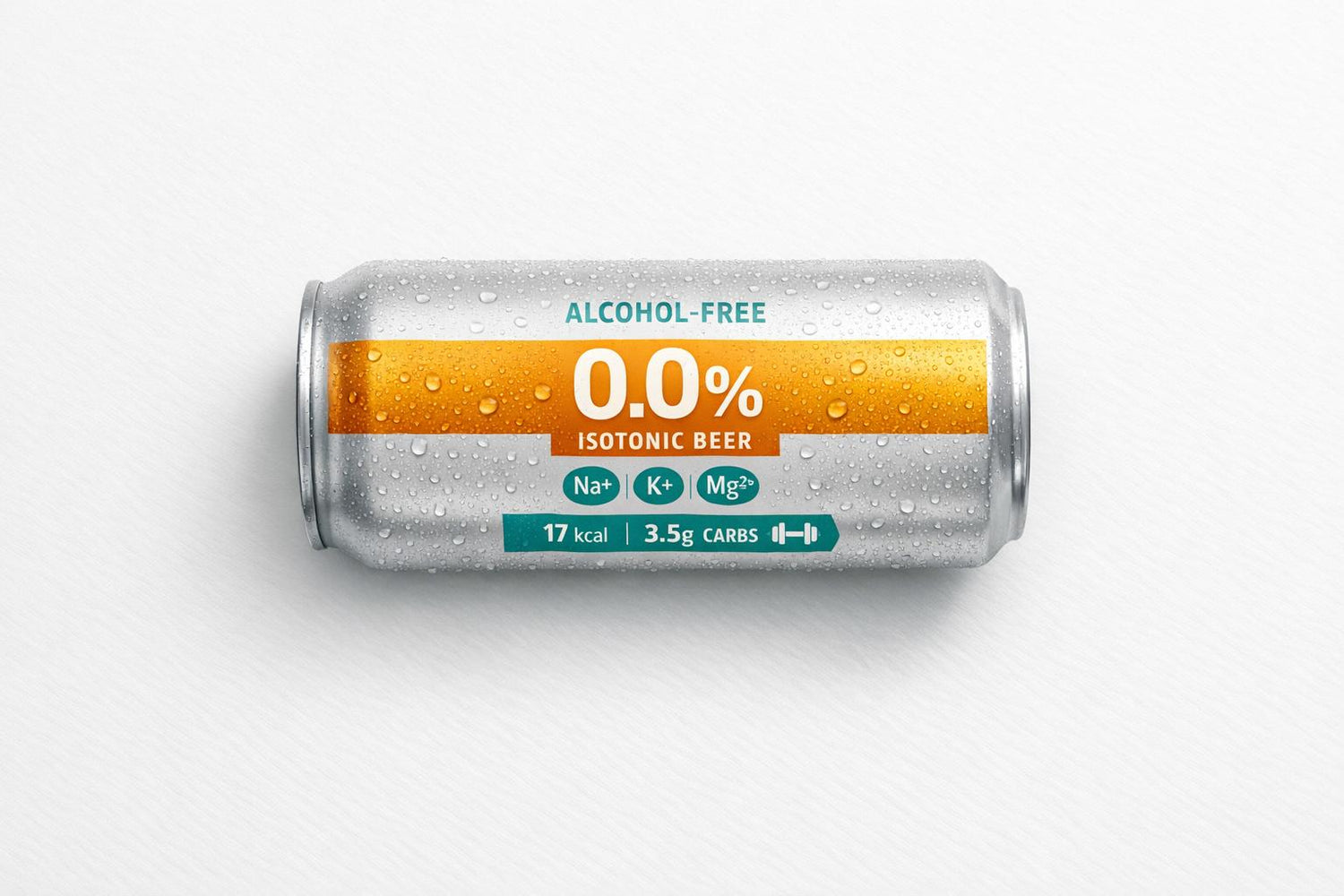
Alcohol-free beer can boost your post-workout recovery. It hydrates as well as water, replenishes glycogen with natural carbs, provides electrolytes like sodium and potassium, and includes polyphenols to reduce inflammation. Plus, it’s low-calorie and skips the downsides of alcohol.
Here’s a quick roundup of the best options:
- IMPOSSIBREW® Enhanced Lager: 75 calories (440ml), 3.4g carbs/100ml, includes L-Theanine and Ashwagandha for relaxation.
- Lucky Saint Unfiltered Lager: 53 calories (330ml), 11.5g carbs, smooth texture, and unfiltered for nutrient retention.
- Heineken 0.0: 69 calories (330ml), 16g carbs, light fruity taste, and natural minerals like potassium.
- Beavertown Lazer Crush: 83 calories (330ml), 0.3% ABV, with citrus and peach flavours.
- Guinness 0.0: 75 calories (440ml), 16.7g carbs, creamy texture, and classic roasted barley taste.
- Big Drop Paradiso IPA: 11 calories (330ml), ultra-light with bold citrus flavours.
- Athletic Brewing Run Wild IPA: 65 calories (355ml), 14g carbs, pine and grapefruit notes.
Quick Comparison
| Beer | Calories (per 330ml) | Carbs (per 330ml) | ABV | Key Features |
|---|---|---|---|---|
| IMPOSSIBREW® Enhanced Lager | 75 (440ml) | 15g (440ml) | 0.5% | Relaxation ingredients (L-Theanine, etc.) |
| Lucky Saint Unfiltered Lager | 53 | 11.5g | 0.5% | Smooth, unfiltered, nutrient-rich |
| Heineken 0.0 | 69 | 16g | 0.0% | Fruity, light, natural minerals |
| Beavertown Lazer Crush | 83 | Not listed | 0.3% | Peach, citrus, and grapefruit flavours |
| Guinness 0.0 | 75 (440ml) | 16.7g (440ml) | 0.0% | Creamy texture, classic roasted taste |
| Big Drop Paradiso IPA | 11 | <0.5g | 0.5% | Ultra-light, bold citrus flavours |
| Athletic Brewing Run Wild IPA | 65 (355ml) | 14g | 0.5% | Pine, citrus zest, and grapefruit notes |
Pick one based on your recovery needs - whether it’s hydration, carbs, or flavour. Pair with a protein-rich snack for the best results.
Why non-alcoholic beer is better after exercise, study shows
sbb-itb-a752bf8
Why Choose Alcohol-Free Beer After Your Workout?
Alcohol-free beer can be a great addition to your post-workout routine, thanks to its low calorie count, hydration properties, and recovery benefits. For example, a 440ml can of Guinness 0.0 contains just 75 calories, while options like Infinite IPA have as few as 35 calories per 330ml can [3]. These qualities make it an appealing choice for those looking to refuel after exercise.
One of the standout benefits is hydration. Alcohol-free beer hydrates just as effectively as water, but it also provides essential electrolytes like sodium and potassium, which are crucial for muscle function and maintaining fluid balance - something plain water doesn't offer [1]. Additionally, it helps replenish glycogen stores, aiding recovery after physical activity.
Another advantage is its anti-inflammatory properties. Research shows that the polyphenols in non-alcoholic beer can help reduce inflammation caused by exercise [1]. This may alleviate muscle soreness and support your body's recovery process.
Some alcohol-free beers now go a step further by incorporating functional ingredients such as nootropics and adaptogens. These might include L-Theanine, Ashwagandha, or Vitamin B1, which are aimed at promoting mental relaxation and physical recovery without the downsides of alcohol [1][2]. This means you can enjoy the ritual of a post-workout drink without worrying about a hangover or compromising your next workout session [3].
However, it’s important to remember that alcohol-free beer should complement your recovery routine rather than replace essentials like water or protein-rich meals. For intense workouts lasting over an hour, prioritise hydration with water or specialised electrolyte drinks, and pair your recovery beer with nutrient-dense foods to ensure a complete recovery [1].
1. IMPOSSIBREW® Enhanced Lager
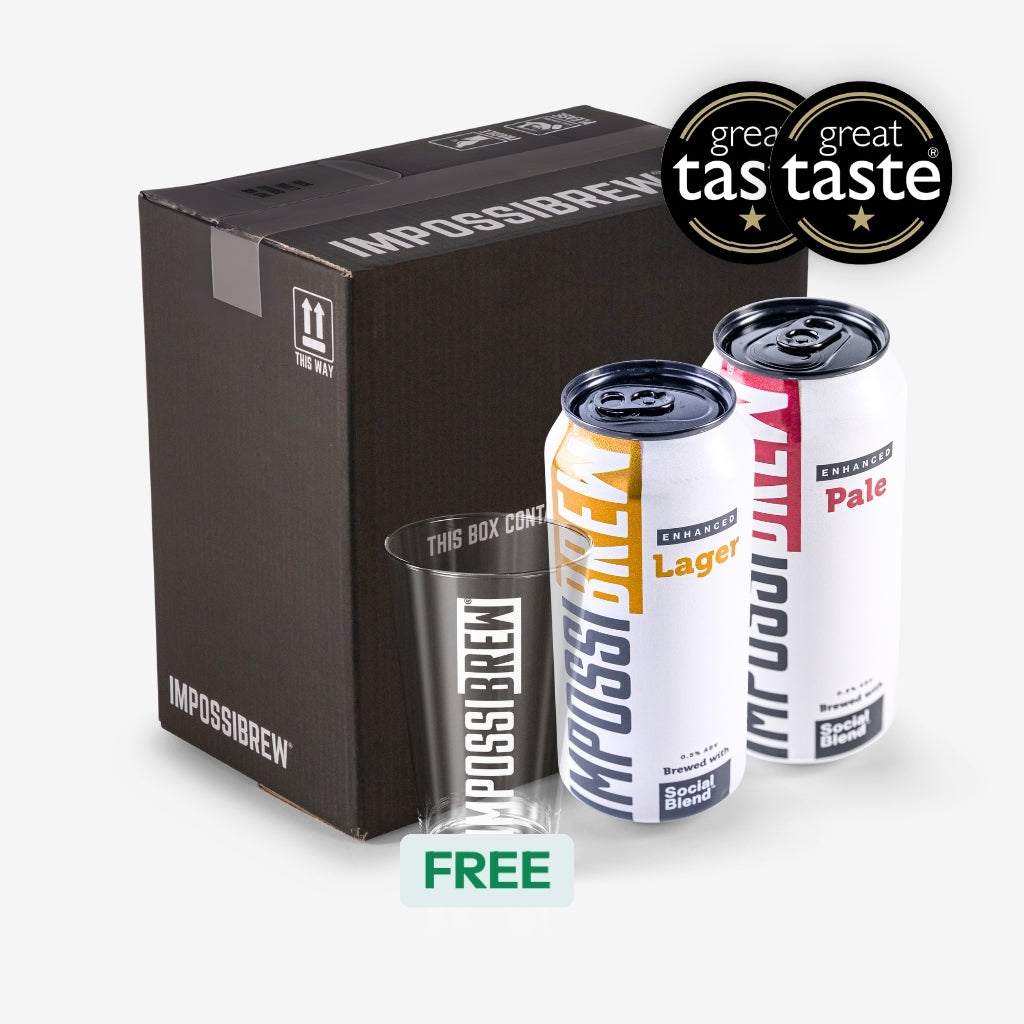
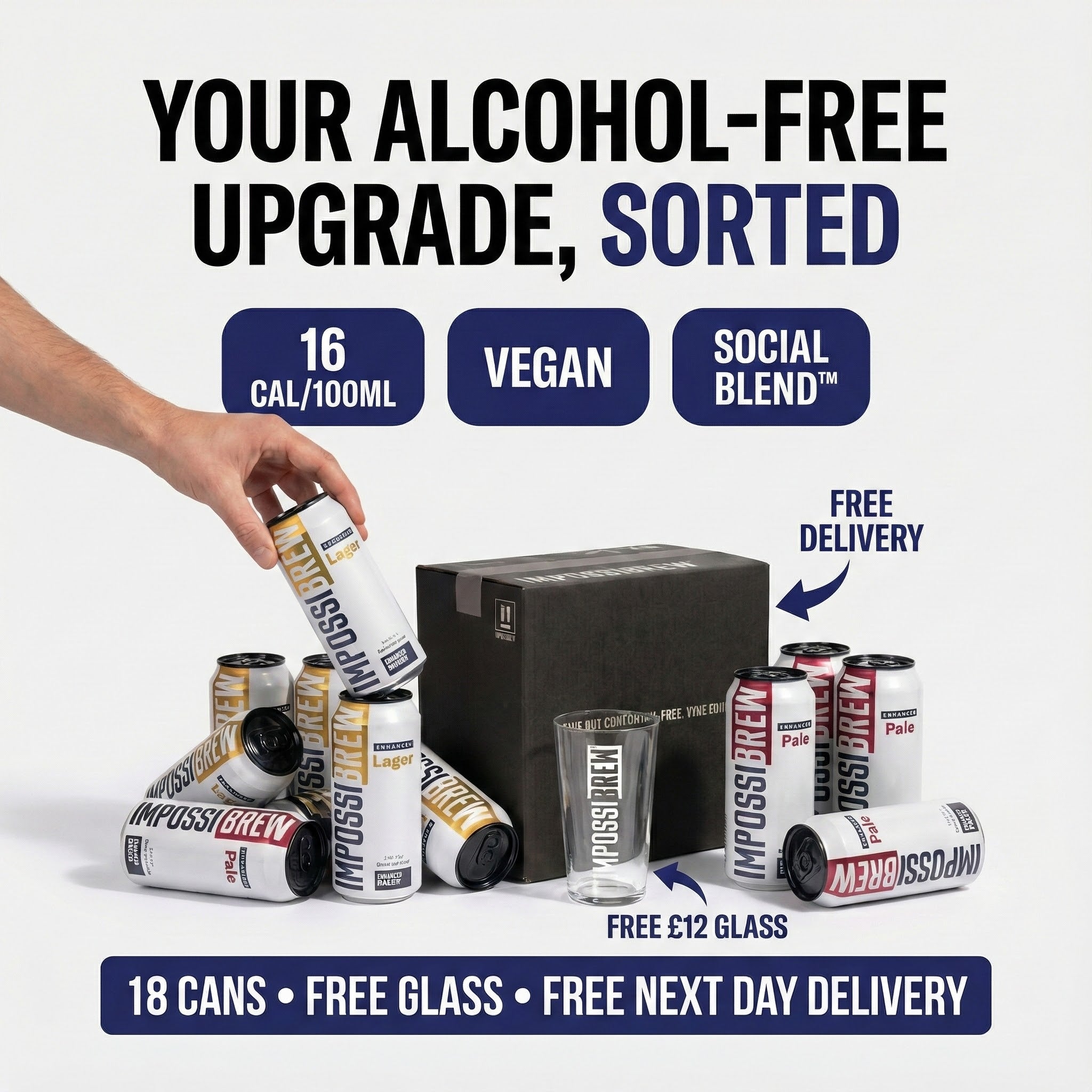
IMPOSSIBREW® Enhanced Lager is crafted as a recovery drink, perfect for rehydration and relaxation after a workout. With an alcohol content of just 0.5% ABV, it hydrates as effectively as water, making it a refreshing alternative post-exercise [1]. Its unique Social Blend™ - featuring L-Theanine and Ashwagandha - promotes relaxation and supports recovery [1][5]. Let’s dive into its nutritional details and standout benefits.
Low-Calorie, Gluten-Free, and Vegan-Friendly
This lager is a low-calorie choice, with 17 calories per 100ml (around 75 calories for a 440ml can). It’s an ideal option if you’re keeping an eye on your calorie intake but want something more exciting than plain water [4][5]. Plus, it’s certified gluten-free (under 10ppm), 100% vegan, and contains just 0.7g of sugar per 100ml [4][5].
Rehydration and Recovery Support
Loaded with essential electrolytes like sodium and potassium, this lager helps maintain fluid balance and supports muscle function. With 3.4g of carbohydrates per 100ml (roughly 15g per 440ml can), it replenishes glycogen stores without piling on unnecessary calories [1][4][5]. A study involving over 1,000 participants found that more than 70% felt relaxed after enjoying IMPOSSIBREW® [1].
Award-Winning Flavour and Refreshing Finish
Thanks to its dry-hopping process, the lager delivers a crisp, citrusy finish complemented by floral, toffee, and biscuity malt undertones [5]. This flavourful profile earned it the title of "UK's Best Tasting Alcohol-Free Lager" at the World Beer Awards 2023. With a stellar 4.7/5 rating from 1,213 reviews, it’s a crowd favourite [5].
"It tastes lovely, it really tastes good" [5]
- Deborah Meaden, Dragons' Den
2. Lucky Saint Unfiltered Lager
Lucky Saint Unfiltered Lager offers a mix of balanced flavour and practical recovery perks. With an alcohol content of 0.5% ABV, it’s designed to help replenish energy after exercise [1]. Its 42-day conditioning process and unfiltered brewing method ensure a natural, hazy amber appearance while preserving nutrients that aid recovery. Let’s dive into its nutritional details, hydration benefits, and flavour profile.
Calorie Count per Serving
This lager is a low-calorie option for those mindful of their diet. Each 330ml bottle contains just 53 calories [3][7], which is significantly lower than many alcohol-free beers that can have around 100 calories per serving [8]. It also provides 11.5g of carbohydrates, ideal for replenishing glycogen stores without overloading on calories [7]. Plus, with only 0.3g of sugar per bottle, it’s a lighter choice for recovery [7].
Hydration Benefits
While specific electrolyte levels are not listed, the natural sodium and potassium content, along with proteins retained through unfiltered brewing, can assist with fluid balance and post-workout recovery [1]. Being unfiltered ensures it retains more of its natural nutrients compared to filtered lagers.
Taste Profile and Drinkability
Lucky Saint stands out with its smooth, creamy texture, avoiding the thinness that can plague other alcohol-free beers. The light carbonation is reminiscent of a cask-conditioned ale [6]. Its flavour combines a clean, biscuity malt base with hints of citrus and sweet lemon, finishing refreshingly without overwhelming bitterness. Brewed in Germany using Bavarian spring water, Pilsner malt, Hallertau hops, and a bespoke yeast strain, it’s no surprise it was named "Best Overall" alcohol-free beer by The Independent in 2026 [6].
3. Heineken 0.0
Heineken 0.0 is a solid post-workout drink, thanks to its 0.0% ABV and recovery-friendly profile. Unlike alcoholic beers, it sidesteps the dehydrating effects of alcohol, making it a practical choice for rehydration after exercise [3][9]. Brewed from scratch with Heineken's signature A-yeast, rather than simply having the alcohol removed, it offers a smooth and balanced flavour that’s easy to enjoy after physical activity [13][14].
Calorie Count per Serving
A 330ml bottle of Heineken 0.0 contains just 69 calories (21 kcal per 100ml), which is much lower than the average 5% ABV lager, typically clocking in at around 222 calories per pint [9][10]. It also delivers 16g of carbohydrates per serving, helping to restore glycogen levels after a workout [10][14]. These figures make it a strong contender for those looking for a lower-calorie, post-exercise drink.
Electrolyte Content
Heineken 0.0 also offers naturally occurring minerals that aid recovery. Each 330ml serving contains 70mg of potassium (1% of the daily value), 5mg of sodium (0% of the daily value), and 10mg of calcium (1% of the daily value) [10]. Pairing it with a salty snack or foods rich in electrolytes can further boost its recovery potential [12][15].
Taste Profile and Drinkability
The taste of Heineken 0.0 has been well-received. Alcohol Change UK gave it a 4/5 rating, highlighting its clean finish:
"none of the unpleasant aftertaste that mars so many other zero-alcohol beers" [11]
With light fruity notes and a gentle malty base, this lager is crafted to refresh and cool you down, making it an enjoyable choice after a workout [13].
4. Beavertown Lazer Crush
Beavertown Lazer Crush offers a refreshing alcohol-free option with just 0.3% ABV and 83 calories per 330ml can, making it a light choice for those looking to replenish energy after exercise [16].
Calorie Count per Serving
Each 330ml can contains 83 calories (27 kcal per 100ml), striking a moderate balance among alcohol-free beers [16]. The carbohydrates derived from Pilsner malt contribute to restoring energy levels, making it a practical post-activity drink [1].
Hydration Benefits
At 0.3% ABV, Lazer Crush sits comfortably within the range of beers that research suggests can be as effective as water for post-exercise hydration (0.5% ABV or less) [1]. Its water-based composition helps replace fluids lost through sweat while naturally providing essential electrolytes like sodium and potassium, which are crucial for maintaining fluid balance and supporting muscle function [1]. Additionally, the Azacca, Amarillo, and Citra hops used in its brewing process bring plant-based polyphenols, which may help reduce inflammation after exercise [16]. This combination of hydration and recovery benefits is paired with a distinctive flavour profile.
Taste Profile and Drinkability
Beavertown describes Lazer Crush as:
"an innovative blend of an alcohol-free beer and a sophisticated soft drink. Combining flavours of sweet peach iced tea with light grapefruit bitterness for turbocharged refreshment." [16]
The taste features a mix of sweet peach iced tea and ripe mango, balanced by zesty citrus notes and a finish of grapefruit bitterness (35 IBU) [16]. With a perfect 5/5 rating from 50 reviews, it’s celebrated for its bold, refreshing flavour - especially when served chilled. At £16.00 per pack, it’s an affordable and “crushable” option, offering a quick and enjoyable way to rehydrate after a workout [16].
5. Guinness 0.0
Guinness 0.0 brings the classic stout experience into the world of recovery drinks. With just 17 kcal per 100ml (about 75 calories for a 440ml can) and 16.7g of carbohydrates, it’s a great option for replenishing glycogen stores when consumed within 30 minutes after a workout [1][3][17][20].
Hydration Benefits
Since it’s completely alcohol-free (0% ABV), Guinness 0.0 aids rehydration without the dehydrating effects of alcohol. It also naturally provides important electrolytes like sodium and potassium, which help maintain fluid balance and support muscle function. Plus, the polyphenols from its barley and hops may help reduce inflammation and lower the risk of upper respiratory tract infections [1].
Taste Profile and Drinkability
Guinness 0.0 doesn’t just deliver on recovery - it also stays true to the flavour fans know and love. Made with the same core ingredients - water, barley, hops, and yeast - it undergoes a cold filtration process to remove the alcohol while keeping its taste intact [17]. Blind taste tests confirm it’s strikingly similar to the original, with many unable to tell the difference [18][20].
The stout boasts a creamy texture, with rich notes of roasted barley, coffee, and dark chocolate, alongside a slightly fruitier edge featuring raisin and cherry hints [18][20]. Thanks to the nitrogen widget in the can, it creates the iconic "surge and settle" effect, finishing with a thick, creamy beige head [18].
Men's Fitness gave it a perfect 5/5 for both taste and overall performance [3]. At around £4.50 for a 4-pack of 440ml cans [3], it’s a wallet-friendly choice. Marathon runner Ken Rideout perfectly sums up its appeal:
"When I'm ready to sit down and actually relax, that's when I have an Athletic [or NA beer]. I see it as a reward for myself and it helps calm me down" [19].
6. Big Drop Brewing Co. Paradiso IPA
Big Drop Brewing Co. Paradiso IPA is a standout option for anyone seeking a bold, low-calorie beer that fits seamlessly into a recovery routine. This award-winning IPA packs the flavour of a classic IPA but without the calorie burden. At just 11 calories per 330ml bottle [21], it’s one of the lightest beers you’ll find - perfect for those keeping an eye on their calorie intake.
Calorie Count per Serving
With only 3 kcal (13 kJ) per 100ml and less than 0.5g of carbohydrates, Paradiso IPA is an ultra-light choice. It contains virtually no sugar, fat, or protein, making it a refreshing option after a workout. While it won’t do much to replenish glycogen stores, it offers a guilt-free way to unwind after exercise [21].
Hydration Benefits
As an alcohol-free beer (0.5% ABV or less), Paradiso IPA is primarily water-based, making it a solid option for rehydration. Studies suggest that alcohol-free beers can hydrate just as effectively as water after exercise [1]. Its five-hop blend - featuring Chinook, Cascade, Simcoe, Citra, and Columbus - also brings polyphenols that might help reduce inflammation and lower the risk of upper respiratory tract infections. However, with 0g of salt per 100ml, it’s a good idea to pair it with a sodium-rich snack after a sweaty session for better electrolyte replenishment [21].
Taste Profile and Drinkability
Paradiso IPA has earned top honours, including World's Best at the 2021 World Beer Awards and World Champion at the International Brewing Awards [21]. Its flavour bursts with citrusy brightness, followed by a sharp, moderate bitterness (31 International Bitterness Units) that IPA fans will love. This gluten-free (tested to less than 10 PPM) and vegan-friendly beer is best enjoyed chilled, delivering a vibrant and refreshing post-workout experience [21].
7. Athletic Brewing Run Wild IPA
Athletic Brewing Run Wild IPA has earned over 30 global awards, offering a classic West Coast IPA experience with just 65 calories per 355ml serving. It’s an ideal post-workout choice, combining flavour with a nutritional profile that supports recovery goals [23].
Calorie Count per Serving
Each 355ml can contains 65 calories, equating to 17 kcal per 100ml. It provides 14g of carbohydrates to help replenish energy after exercise, less than 1g of protein, and around 1.8g of sugar per 100ml, qualifying it as "Low Sugar." There’s no fat or salt in the mix, making it a light, refreshing option [22].
Hydration Benefits
With an ABV of less than 0.5%, Run Wild IPA offers hydration without the dehydrating effects of traditional beers. However, it contains no salt, so it doesn’t contribute to electrolyte replenishment. For a balanced recovery, consider pairing it with a sodium-rich snack or meal.
Taste Profile and Drinkability
Run Wild IPA is brewed with five Northwest hop varieties, creating bold flavours of pine, citrus zest, and grapefruit. These are complemented by a malt body for balance. With a bitterness rating of 35 IBUs, it delivers a crisp, dry finish with a refreshing bitterness. Athletic Brewing’s unique brewing process ensures a smooth, silky mouthfeel, avoiding the thin or watery texture that often plagues alcohol-free beers. One reviewer captured the experience perfectly:
"The best reward after a workout, tasty and refreshing!" [22]
This vegan-friendly beer is best enjoyed chilled and typically costs between £2.53 and £2.90 per 330ml can [24].
How to Choose the Right Alcohol-Free Beer for Recovery
When selecting an alcohol-free beer to complement your recovery routine, focus on its nutritional value and functional ingredients. Start by considering your calorie, carbohydrate, and nutrient needs. For those mindful of weight management, beers with 16 to 26 calories per 100ml are a good choice. Additionally, align your carbohydrate intake with your recovery plan - such as approximately 90g of carbs for a 75kg individual.
Look for ingredients that can aid recovery. Beers with electrolytes help maintain fluid balance and muscle function, while polyphenols provide anti-inflammatory benefits. Some beers even include nootropics like L-Theanine or adaptogens like Ashwagandha, which can support mental relaxation and focus [1][2].
Pay attention to freshness and storage. Alcohol-free beers lack the preservative qualities of regular beer, meaning they degrade more quickly. To ensure the best flavour and benefits, choose beers canned within the last three months and stored in cool conditions. You can find popular brands at major UK supermarkets like Tesco, Morrisons, and Waitrose, or explore a broader selection through online retailers like Dry Drinker [25][26].
Your taste preferences also play a role. Wheat beers and sour ales often deliver more authentic and satisfying flavours, while some hoppy IPAs and malty stouts may feel thinner or overly sweet. As Henry Jeffreys explains:
"To compensate for the lack of mouthfeel in alcohol-free drinks, brewers can add sweetness... or turn up the hops" [26].
If you prefer a richer taste and better texture, consider unfiltered beers over highly processed ones [6].
Finally, check the nutritional labels to ensure the beer suits your dietary needs. Look for gluten levels below 10 PPM if you're sensitive, confirm vegan suitability, and review sugar content. By keeping these factors in mind, you can enhance your recovery while enjoying a beer that fits your lifestyle [1][2][6].
Conclusion
Alcohol-free beer offers a recovery boost without interfering with your training. It hydrates just as well as water, helps restore glycogen levels with natural carbohydrates, provides vital electrolytes like sodium and potassium, and includes polyphenols that may help ease post-exercise inflammation [1]. This combination of recovery benefits, paired with low calories, ensures you’re ready for your next workout.
Its non-alcoholic nature also means no lost training days due to hangovers. As Laurence McJannet from Men's Fitness aptly puts it:
"There's nothing more frustrating than losing a day's training due to a hangover" [3].
Some options are particularly appealing, offering as few as 35 calories per can [3]. Others go a step further, featuring nootropic and adaptogenic ingredients to support relaxation and recovery [2]. If you’re after a more traditional taste, you can try something like Guinness 0.0, priced at around £4.50 for a four-pack [3].
Pick the option that aligns with your taste and recovery needs. To maximise glycogen replenishment, enjoy your alcohol-free beer within 30 minutes of finishing your workout, ideally alongside a protein-rich snack [1]. Join the growing number of people making the switch - 88% have reported cutting back on alcohol after choosing enhanced alcohol-free alternatives [2].
FAQs
When should I drink alcohol-free beer after training?
You can include alcohol-free beer in your post-workout recovery routine. Drinking it soon after exercise can aid hydration and help restore electrolytes. While there's no rigid timing, it’s best to enjoy it when you're ready to begin your recovery process.
Is alcohol-free beer enough for hydration after a hard workout?
Alcohol-free beer can be a helpful addition to your post-workout hydration routine. Thanks to electrolytes like potassium and magnesium, it can aid in replenishing what your body loses during exercise. When it’s enriched with sodium, it might even outperform water in terms of hydration in certain situations. That said, it’s not a standalone solution. Pairing it with water or other hydrating drinks provides a more balanced approach to recovery.
What should I look for on the label for recovery?
Look for ingredients such as electrolytes and Social Blend™, a mix that features plant fibre, L-theanine, ashwagandha, citrus extract, and vitamin B1. Make sure the alcohol content remains low - ideally around 0.5% VOL - to better support recovery. These components aid hydration, muscle repair, and general post-workout well-being.
Related Blog Posts
- Electrolytes in Non-Alcoholic Beer: How They Aid Hydration
- Non-Alcoholic Beer vs. Sports Drinks: Which Hydrates Better?
- Non-Alcoholic Beer for Post-Workout Recovery
- 5 Fitness Benefits of Alcohol-Free Beers
Related: If you are building the kit around the run itself, read our guide to the best running gear UK in 2026.