Feeling distracted or overwhelmed? High cortisol levels might be the culprit. Cortisol, the body's stress hormone, is essential for energy and alertness but can wreak havoc on your focus when elevated for too long. Here's how you can naturally balance cortisol and improve concentration:
- Breathe Better: Use techniques like the 4-7-8 method to calm your nervous system.
- Eat Smart: Include magnesium-rich foods, omega-3s, and probiotics while cutting back on sugar and caffeine.
- Sleep Well: Stick to a consistent bedtime, avoid screens before bed, and aim for 7–9 hours of quality rest.
- Try Mind-Body Practices: Short daily sessions of meditation, yoga, or mindful breathing can lower stress.
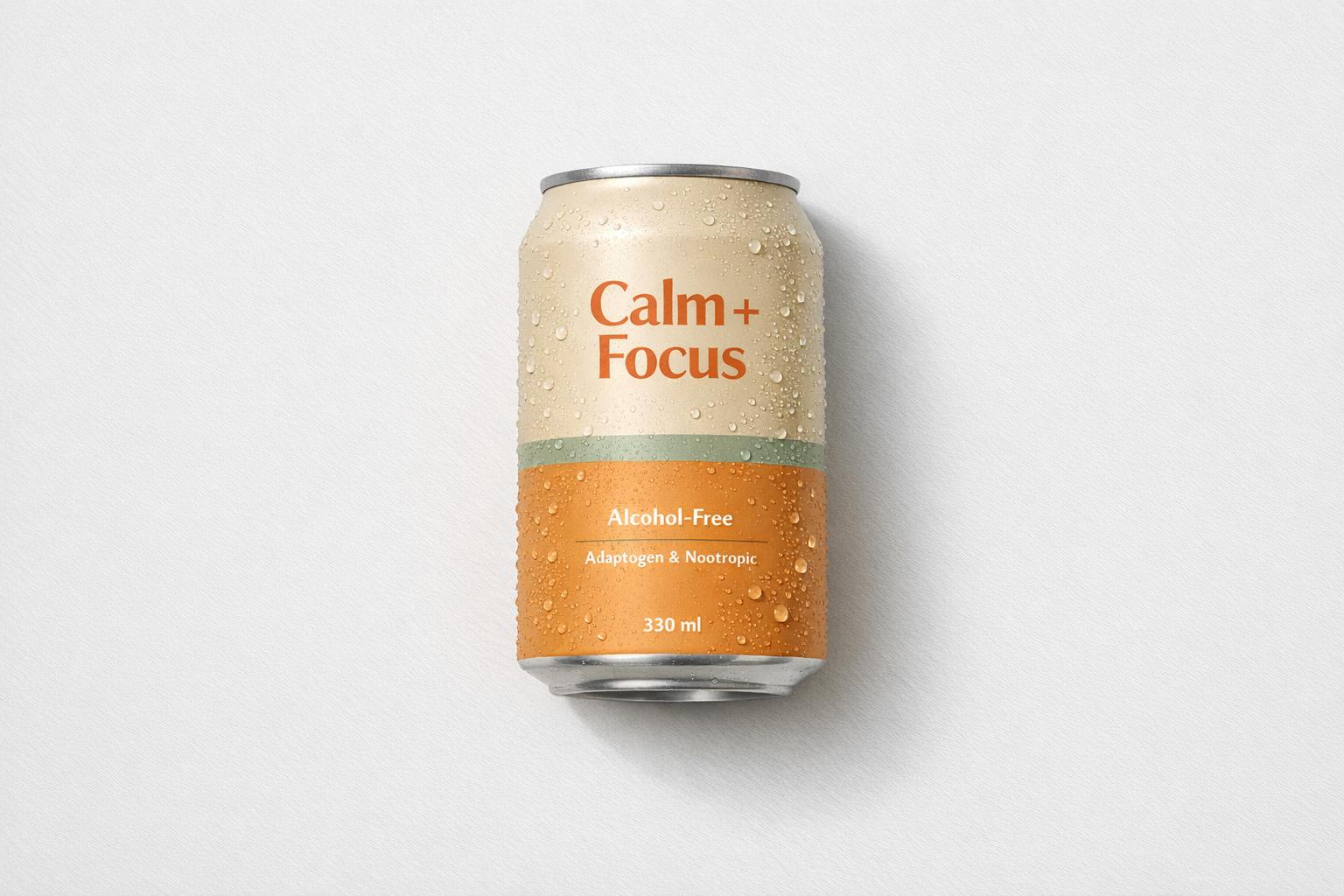
- Consider Functional Beverages: Drinks with ingredients like ashwagandha and L-theanine can help manage stress without alcohol.
3 FAST Strategies for Lowering Cortisol
How to Lower Cortisol Naturally
We've explored how elevated cortisol can affect focus, so let’s dive into practical ways to bring it back into balance. The good news? You don’t need medications or costly treatments - just a few straightforward lifestyle tweaks can make a big difference.
Use Deep Breathing and Relaxation Techniques
Your breath is a powerful tool for managing stress. Jamie Clements, a Breathwork Coach and Founder of The Breath Space, explains:
"The breath is a unique tool: it's part of our autonomic nervous system, which governs our stress response, but it's unique because it's the only part of that system that we can consciously control." [9]
One of the most effective methods is diaphragmatic breathing (also called belly breathing). This activates the vagus nerve, which helps your body switch into the "rest and digest" mode [9][4]. A popular technique to try is the 4-7-8 method: inhale for 4 seconds, hold your breath for 7 seconds, and exhale slowly for 8 seconds [9][5]. This pattern calms your nervous system and pulls you out of fight-or-flight mode.
Another simple trick? Focus on longer exhales - making your exhale longer than your inhale can lower your heart rate and help your mind relax [9]. Just 2–5 minutes of these breathing exercises during a break can help you feel more centred throughout the day [9]. In fact, studies suggest that specific breathing exercises can be even more effective than mindfulness meditation for reducing stress [9].
While breathing techniques are essential, what you eat also plays a major role in keeping cortisol levels in check.
Modify Your Diet to Lower Cortisol
Your diet has a direct impact on how your body manages stress hormones. Dr. Yufang Lin from the Cleveland Clinic emphasises:
"Nutrition is absolutely important for coping with stress and supporting your mood, but there's no single food that's going to do it all." [6]
Certain foods can work wonders for your nervous system. For example, magnesium-rich foods like spinach, avocados, and dark chocolate help support relaxation [2][6]. Omega-3 fatty acids, found in fatty fish, walnuts, and flaxseeds, are known to reduce inflammation and support brain health [2][6]. Adding probiotics from fermented foods like sauerkraut or kefir can also help regulate stress by improving gut health [2][6]. And don’t overlook oats - they encourage serotonin production, which can counteract cortisol spikes [11]. For a calming boost, try green tea; it contains L-theanine, an amino acid that promotes relaxation without making you sleepy [11].
On the flip side, certain habits can work against you. Too much sugar can lead to higher cortisol levels [4], and consuming caffeine too close to bedtime (within six hours) can interfere with sleep and hormonal balance [4][5]. Staying hydrated is also key - just being slightly dehydrated can temporarily increase cortisol [4][7].
Of course, diet isn’t the only factor. Good sleep habits are equally critical for keeping cortisol levels in check.
Improve Your Sleep Habits
Sleep is far from just "downtime." It’s when your body restores hormonal balance and carries out essential maintenance. Dr. Dalia Lorenzo, a neurologist at Miami Neuroscience Institute, explains:
"Sleep may appear to be a passive state to most people, but it is actually a very important time where the brain and endocrine system are actively engaged in 'housekeeping and restorative functions' that are crucial for health." [10]
Unfortunately, poor sleep and high cortisol often form a vicious cycle: elevated cortisol disrupts sleep, and lack of sleep pushes cortisol levels higher [7][4]. To break this cycle, aim for 7 to 9 hours of quality sleep each night [7][10].
Start by sticking to a consistent sleep schedule - go to bed and wake up at the same time every day, even on weekends [7][10]. Create a sleep-friendly environment by keeping your bedroom dark, quiet, and cool. Blackout curtains, earplugs, or white noise machines can help [7][4]. Develop a calming wind-down routine 30 to 60 minutes before bed. Activities like reading a physical book, journaling, stretching, or taking a warm bath can signal to your body that it’s time to relax [7][3][4]. Avoid screens during this time, as blue light can interfere with your natural sleep-wake cycle [4]. Lastly, avoid vigorous exercise 2–3 hours before bed to allow your cortisol levels to drop naturally [4].
These small but impactful changes can help you not only lower cortisol but also improve your overall well-being.
Mind-Body Practices for Stress Reduction
When it comes to managing stress and keeping cortisol levels in check, mind-body practices are a powerful tool. These methods activate your parasympathetic nervous system - the "rest and digest" mode - which helps counteract the effects of the fight-or-flight response [4].
Add Mindfulness and Meditation to Your Routine
Mindfulness takes the benefits of controlled breathing a step further by honing your stress response. Meditation, in particular, trains your brain to handle stress more effectively. There are various approaches, each offering distinct benefits. For instance, Focused Attention (FA) meditation involves concentrating on your breath, which strengthens your ability to focus and sharpens mental clarity [12]. Meanwhile, Open Monitoring (OM) meditation encourages you to observe your thoughts without judgement, helping you spot stress triggers before they cause cortisol spikes [12][5].
The science backs this up. A meta-analysis of 45 randomised controlled trials revealed that meditation significantly reduces cortisol levels, blood pressure, and heart rate across diverse groups [12]. Even a single session can make a difference - one study of 30 medical students showed a notable drop in cortisol levels after just one mindfulness meditation session [10].
You don’t need hours of practice to see results. Just 10–15 minutes of meditation daily can help stabilise your hormones [5]. Consistency is key; having a regular practice time helps your brain and endocrine system work together to restore balance [10]. If sitting still feels difficult, don’t worry. Movement-based practices like Tai Chi or Qi Gong, which focus on connecting the mind and body through gentle movements, can be just as effective [5][4].
Try Yoga for Physical and Mental Relaxation
Yoga is another excellent way to combine movement with breath for a deep sense of relaxation. Research supports its benefits - a 2017 study in Complementary Therapies in Medicine found that even one session of Hatha yoga can significantly lower cortisol levels [10]. According to Jamie Clements, a breathwork coach, yoga helps "down-regulate" the nervous system, guiding your body out of a heightened stress state [9].
One of yoga’s strengths is its adaptability. Whether you prefer slow, gentle stretches or more dynamic flows, the focus on diaphragmatic breathing activates the vagus nerve, triggering your body’s relaxation response [9][4]. Aim for 30 minutes of yoga most days [5]. If you’re pressed for time, even short sessions - like 2–5 minutes of focused breathing - can reset your nervous system [9].
For something different, you could try laughing yoga, which involves intentional laughter to boost endorphins and reduce cortisol levels [7][4]. The most important thing is finding a practice that suits your lifestyle and sticking with it. When it comes to stress relief, consistency always beats perfection.
sbb-itb-a752bf8
How Functional Beverages Support Relaxation
Functional beverages offer a way to manage cortisol levels without the negative effects associated with alcohol. Packed with ingredients designed to enhance mental and physical well-being, these drinks can seamlessly fit into your relaxation routine. A major contributor to their calming effects is the inclusion of adaptogens, which are known for their stress-reducing properties.
The Benefits of Adaptogens
Adaptogens, such as ashwagandha and rhodiola, are particularly effective at helping the body manage stress. They work by balancing cortisol levels - lowering them when they’re too high and raising them when they’re too low. Research backs this up: a randomised controlled trial revealed that taking 250 mg or 600 mg of ashwagandha extract over eight weeks led to a notable reduction in cortisol levels[4].
"Adaptogens... raise it when it's low or lower it when it's high, depending on what your body needs."
Other ingredients also play a role in relaxation. L-theanine promotes a state of calm alertness, while magnesium helps keep cortisol levels steady[4][1][8]. Herbal extracts like chamomile, lavender, and lemon balm soothe the nervous system, and omega-3 fatty acids can reduce inflammation as well as morning cortisol levels[3][4].
When choosing a drink to unwind, it’s important to pick options that relax rather than stimulate. Caffeine and alcohol, for instance, can spike cortisol and lead to inflammation. On the other hand, functional beverages enriched with adaptogens help regulate your body’s stress response in a gentler, more supportive way.
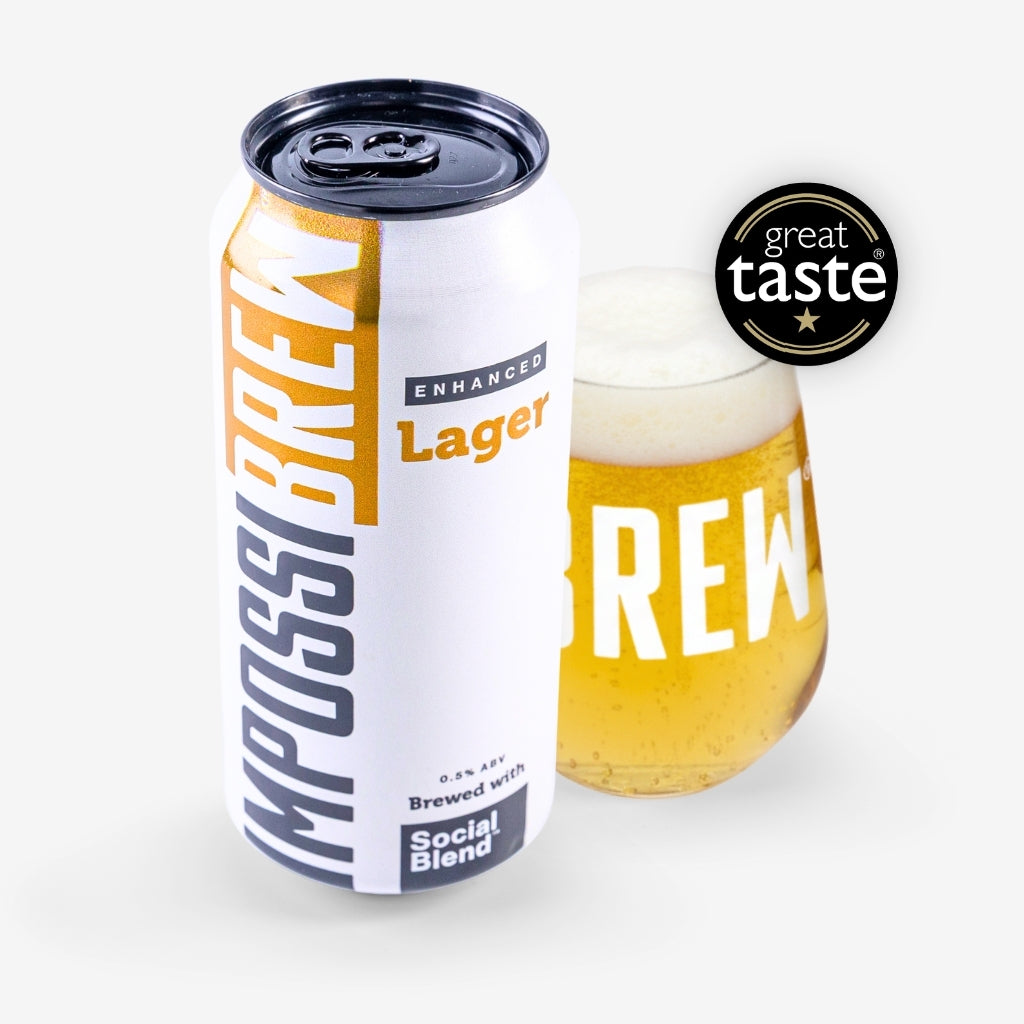
IMPOSSIBREW® Enhanced Beers
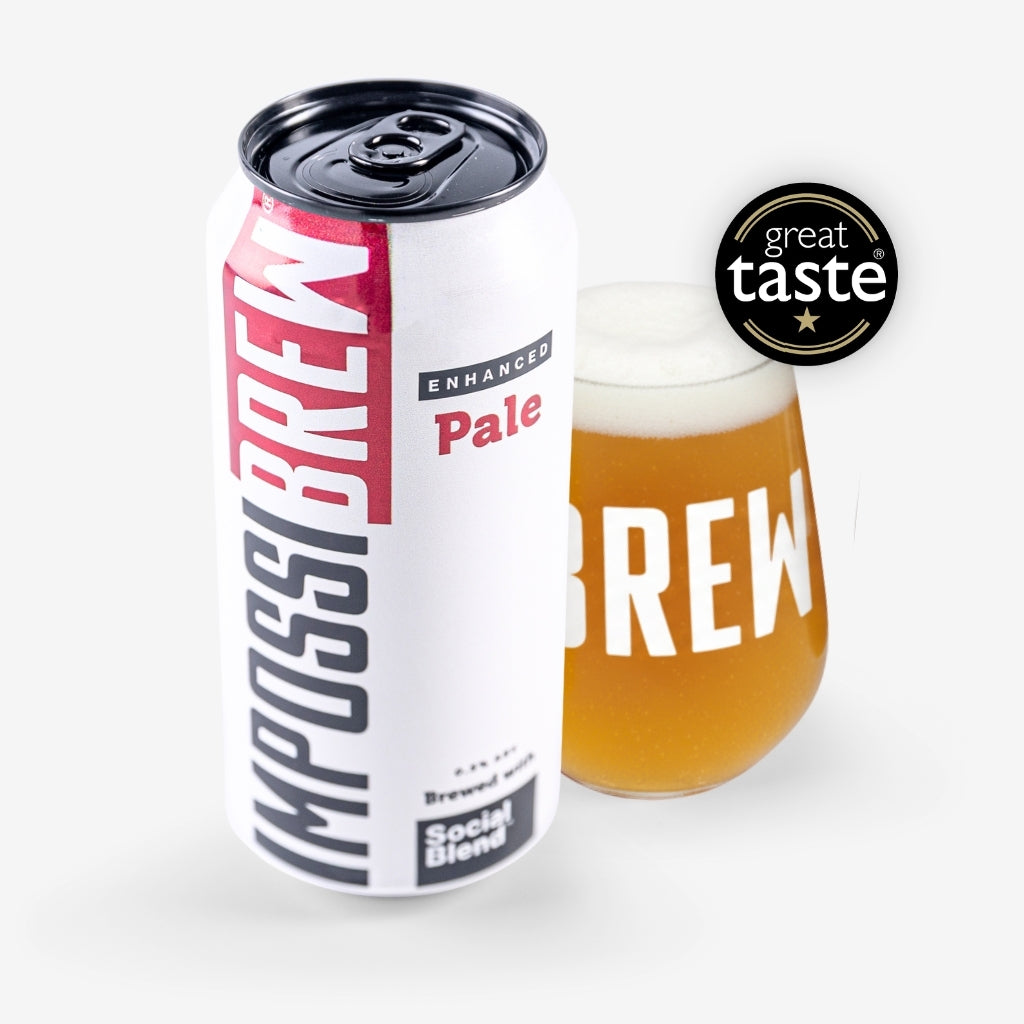
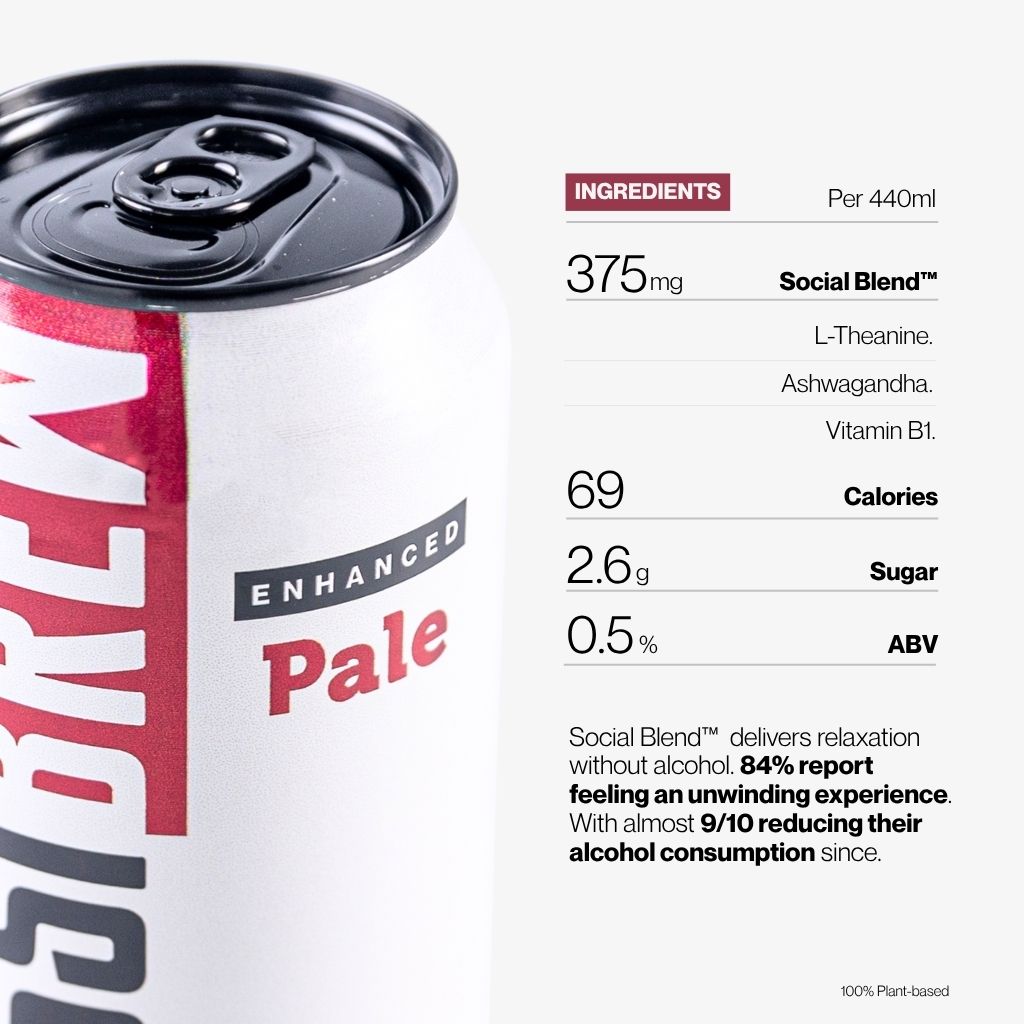
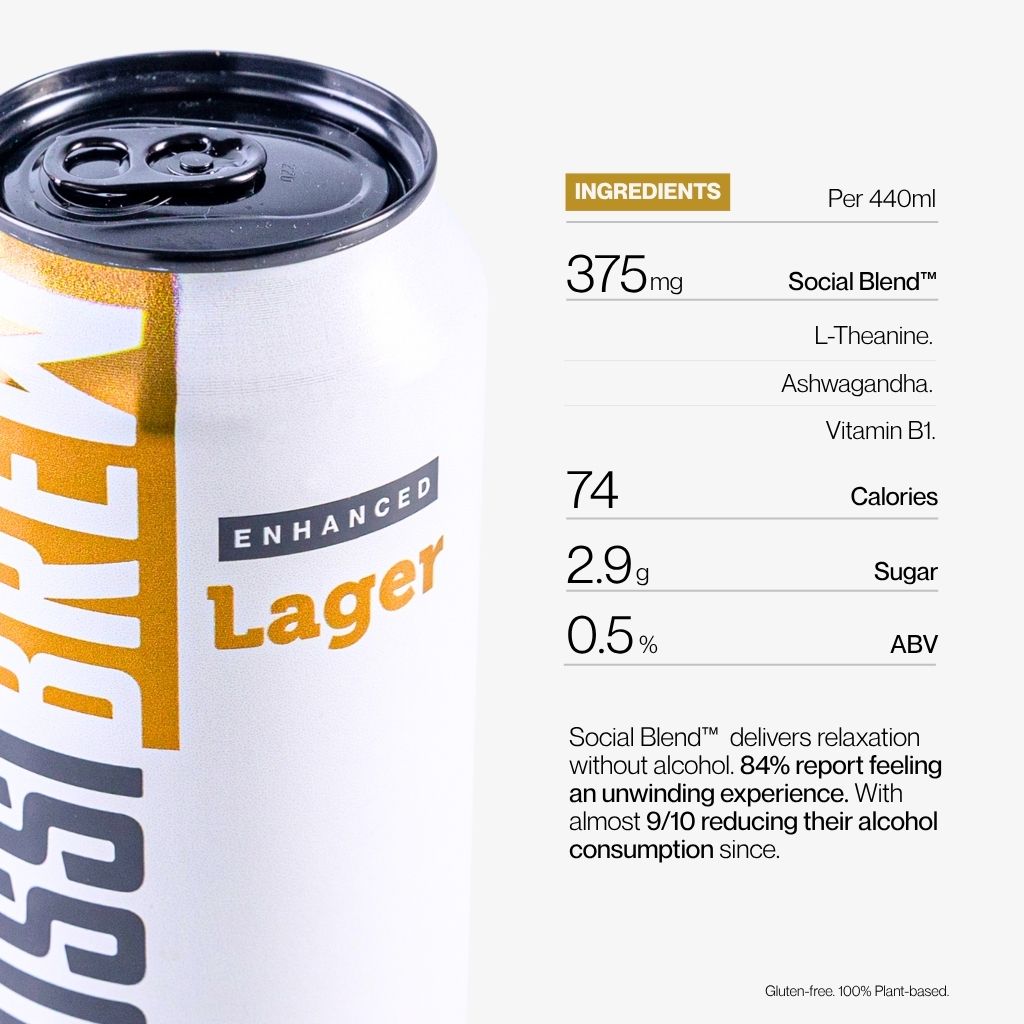
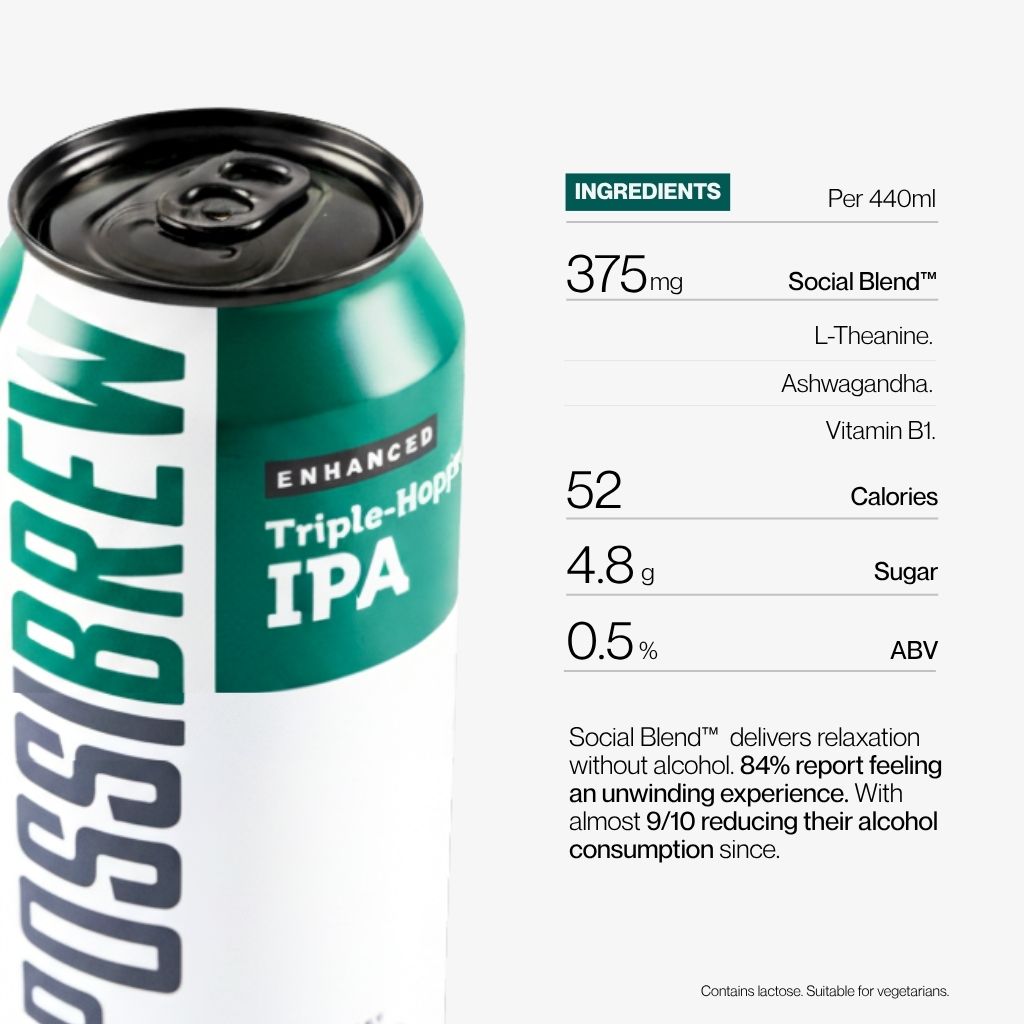
Taking these benefits a step further, IMPOSSIBREW® has developed Enhanced Beers that incorporate adaptogens into their unique Social Blend™. These non-alcoholic beers provide a relaxing alternative to traditional alcoholic drinks, supporting your body’s stress management without the downsides of alcohol. Ingredients like ashwagandha and rhodiola work in harmony with your hypothalamic-pituitary-adrenal (HPA) axis to help balance cortisol levels[15][16].
Unlike alcohol, which can hinder your body’s ability to regulate cortisol, these enhanced beers promote relaxation while maintaining mental clarity. Available in two varieties - Enhanced Lager and Enhanced Hazy Pale - these brews are low in calories, vegan-friendly, and gluten-free (lager). With an ABV of less than 0.5%, they are priced at £1.97 per can. The Social Blend™ formula helps your body return to a balanced state after dealing with stress[13][14].
Conclusion
Lowering cortisol naturally calls for a steady commitment to a lifestyle that nurtures your body's ability to handle stress. As Dr. Yufang Lin from Cleveland Clinic explains:
"No one food, pill or activity can deliver you to a lasting blissful calm. But healthy choices can set your body up for low-stress success in the long run." [6]
The tips shared here work together to help you think more clearly and regain focus. Here's a quick summary of the key points.
Key Takeaways for Lowering Cortisol
- Prioritise Sleep: Aim for 7–9 hours of quality sleep each night and stick to a consistent sleep–wake routine [5][4].
- Nourish Your Body: Include foods rich in omega-3 fatty acids and magnesium to help your body handle stress more effectively [2][6][4].
- Mind–Body Practices: Simple activities like the 4-7-8 breathing technique, a 20-minute walk outdoors, or spending 10 minutes with a pet can significantly reduce cortisol levels and calm your mind [2][6][10].
- Functional Beverages: Consider options like IMPOSSIBREW® Enhanced Beers, which feature adaptogens such as ashwagandha and rhodiola in their Social Blend™ formula. At £1.97 per can, these low-calorie, vegan-friendly drinks (with the lager being gluten-free) offer a stress-relief alternative without the inflammatory effects of alcohol.
With over 1 in 4 adults feeling so overwhelmed by stress that it impacts their ability to function [6], these evidence-backed approaches can help you break free from the stress cycle and restore your sense of balance and clarity.
FAQs
How can breathing techniques help reduce cortisol levels?
Breathing techniques have a powerful impact on cortisol levels by helping the body relax and easing stress. One of the most effective methods is deep breathing, which stimulates the parasympathetic nervous system - the part of your body that works to calm the stress response and reduce cortisol production.
By practising deep, diaphragmatic breathing - like slowly inhaling through your nose and gently exhaling through your mouth - for just a few minutes, you can bring a sense of calm to both your mind and body. Beyond stress relief, these breathing exercises can also sharpen your focus and clear your mind by minimising the physical toll stress takes on you.
Adding intentional breathing exercises to your daily routine is a straightforward and natural way to keep cortisol levels in check and boost your overall well-being.
Which foods should I avoid to help reduce cortisol levels?
To help keep cortisol levels in check, steer clear of processed foods, sugary treats, and too much caffeine, as these can lead to cortisol spikes and mess with your concentration. Instead, focus on a balanced diet packed with foods that naturally help regulate cortisol. Think yoghurt, walnuts, salmon, and other items rich in vitamin D and omega-3 fatty acids.
These simple tweaks to your eating habits can go a long way in boosting mental clarity and improving your overall well-being.
Can drinks really help with managing stress?
Functional drinks can play a role in managing stress, especially when they contain ingredients aimed at promoting relaxation. However, their benefits are maximised when paired with a holistic approach to stress reduction - think regular exercise, balanced nutrition, quality sleep, and spending time in nature. These lifestyle habits work together to help lower cortisol levels, often referred to as the stress hormone.
Non-alcoholic beverages with soothing qualities, like those from IMPOSSIBREW®, can help set a calming tone and encourage social connections, all without the drawbacks associated with alcohol. While they’re not a magic fix, they can complement other stress-relief practices and contribute to a greater sense of ease and balance.
For stress management to be truly effective, these drinks should be integrated into a well-rounded lifestyle that prioritises both mental and physical relaxation.