Creating a satisfying mouthfeel in non-alcoholic beer is challenging but achievable. Without alcohol, non-alcoholic beers often feel thin and unbalanced. Brewers are addressing this by focusing on key factors like macromolecules, processing methods, and specific compounds.
- Key Compounds: Beta-glucans increase thickness, while dextrins add smoothness. Isomaltulose adjusts sweetness without affecting texture.
- Processing Techniques: Dealcoholization methods (e.g., vacuum distillation, reverse osmosis) and limited fermentation shape the beer's body and texture.
- Macromolecules: Proteins and polysaccharides, such as maltodextrin and β-glucan, are crucial for enhancing viscosity and balance.
Brewers are using advanced tools and ingredient innovations to mimic the texture of traditional beer, making non-alcoholic options more enjoyable. Keep reading to explore how these techniques are transforming the sensory experience of alcohol-free beer.
Macromolecules and Mouthfeel
Macromolecules in Non-Alcoholic Beer
Proteins and polysaccharides play a key role in giving non-alcoholic beer its texture. Among these, beta-glucans and dextrins are particularly important for creating body and enhancing mouthfeel [1].
The way these macromolecules are distributed depends heavily on the processing method used, which directly impacts characteristics like viscosity and body [1][2]. Brewers use this knowledge to adjust recipes and improve the sensory experience.
| Processing Method | Molecular Size Distribution |
|---|---|
| Thermal Dealcoholization | Higher molar mass polymers |
| Limited Fermentation | Lower molar mass polymers |
| Maltodextrin Addition | Balanced distribution |
By understanding these distributions, brewers can predict how macromolecules will interact and influence the beer's overall texture.
Molecular Interactions and Sensory Profiles
The way these macromolecules interact directly shapes the sensory profile of non-alcoholic beer. Advanced research has uncovered how specific molecular combinations impact taste and texture [1][2]. Brewers use this information to craft beers that mimic the sensory depth of traditional options.
For example, experiments show that maltodextrin contributes to a smoother mouthfeel, while β-glucan increases viscosity [1]. These findings allow brewers to adjust recipes for a more balanced and satisfying drinking experience.
Different dealcoholization methods create unique molecular profiles, which influence the beer's body and texture [1][2]. This knowledge is invaluable for crafting non-alcoholic beers that come closer to the mouthfeel of their alcoholic counterparts.
Processing Techniques and Mouthfeel
Dealcoholization Methods
The way alcohol is removed from beer plays a big role in shaping its texture and body. For example, vacuum distillation works by creating a molecular profile with larger polymers, which adds body and richness. However, this method needs precise temperature control to avoid losing key flavors and aromas. These techniques are crucial for addressing the thin texture often found in non-alcoholic beers.
Another approach, reverse osmosis, uses membranes to remove alcohol while keeping much of the beer's structure intact. This helps maintain the original sensory experience.
| Dealcoholization Method | Effect on Mouthfeel | Molecular Profile |
|---|---|---|
| Vacuum Distillation | Adds body and thickness | Larger polymers |
| Reverse Osmosis | Retains original texture | Preserves structure |
| Rectification Column | Improves palate richness | Maintains flavor compounds |
Fermentation Processes
Fermentation is another important factor in crafting the texture of non-alcoholic beer. Limited fermentation can create smoother textures by producing smaller polymers, giving brewers more control over the beer’s body and feel [1].
Advanced tools like AF4-MALS help analyze how fermentation influences macromolecule distribution [1]. Factors such as temperature, timing, and yeast strain all play a role in shaping the beer's texture.
Compounds Affecting Mouthfeel
Beta-Glucans and Dextrins
The texture and body of non-alcoholic beer depend on specific compounds that shape its mouthfeel. Studies show that beta-glucans increase viscosity, while dextrins provide a smooth and lasting sensation on the palate [1]. When used in the right amounts, these compounds can mimic the rich, full-bodied texture of traditional beer.
| Compound | Primary Effect | Additional Impact |
|---|---|---|
| Beta-Glucans | Increased viscosity | Adds body and thickness |
| Dextrins | Smooth mouthfeel | Prolonged palate satisfaction |
| Combined Effect | Creamy texture | Improved sensory balance |
Isomaltulose
Isomaltulose is a key ingredient for adjusting sweetness without altering the beer’s body. This is especially useful in non-alcoholic beer, where alcohol removal can reduce sweetness. By adding isomaltulose, brewers can balance the flavor profile while maintaining the desired texture [1]. Unlike beta-glucans and dextrins, which focus on texture, isomaltulose fine-tunes sweetness without affecting viscosity.
Brewers carefully balance these compounds during ingredient selection and fermentation. By tweaking ratios and refining processes, they ensure these elements interact seamlessly to deliver a satisfying beer experience [1][2]. This understanding enables brewers to craft non-alcoholic beers with textures and flavors that closely resemble their alcoholic counterparts.
sbb-itb-a752bf8
How to assess the TEXTURE of a beer
Approaches to Improve Mouthfeel
Recent advancements in brewing and ingredient science have transformed the mouthfeel of non-alcoholic beer, making it possible to create beverages with a fuller body and texture similar to traditional beer. By focusing on macromolecular interactions, brands are using cutting-edge techniques to refine how these drinks feel on the palate.
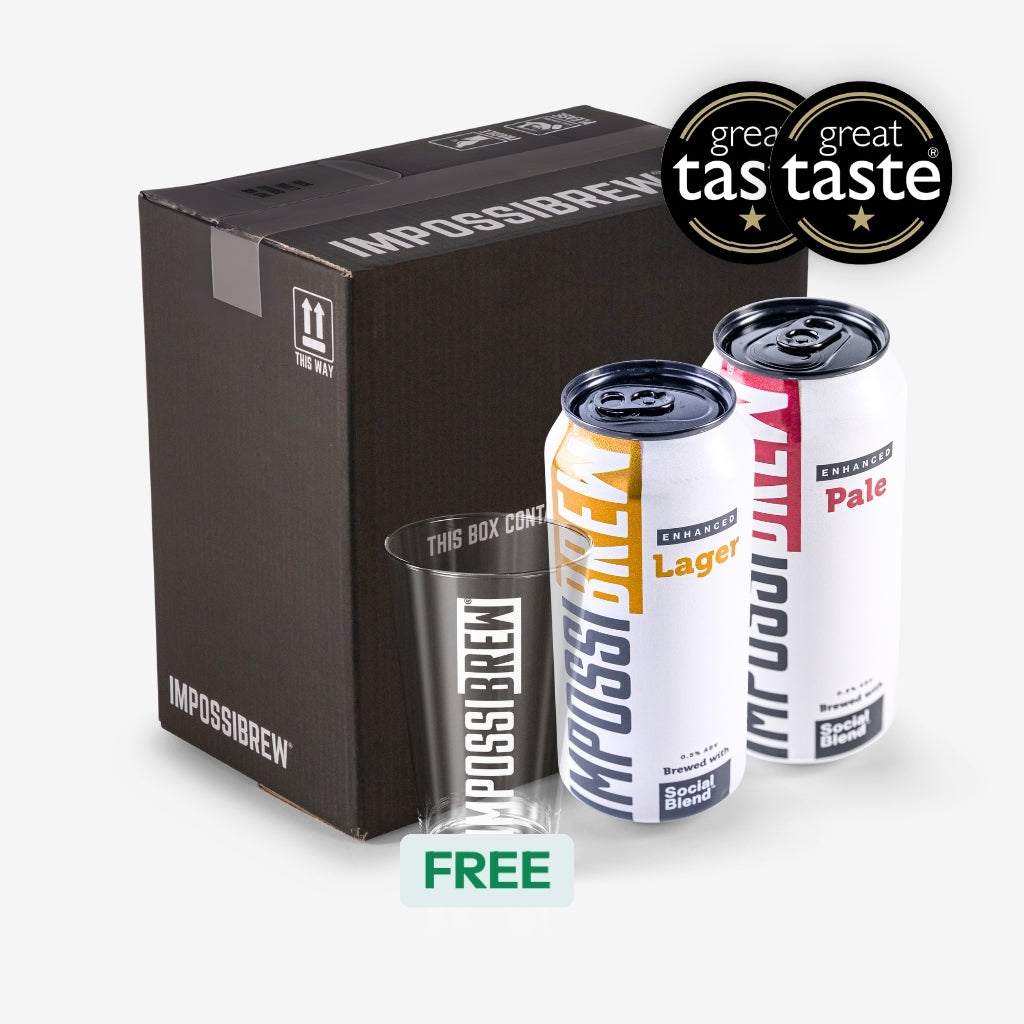
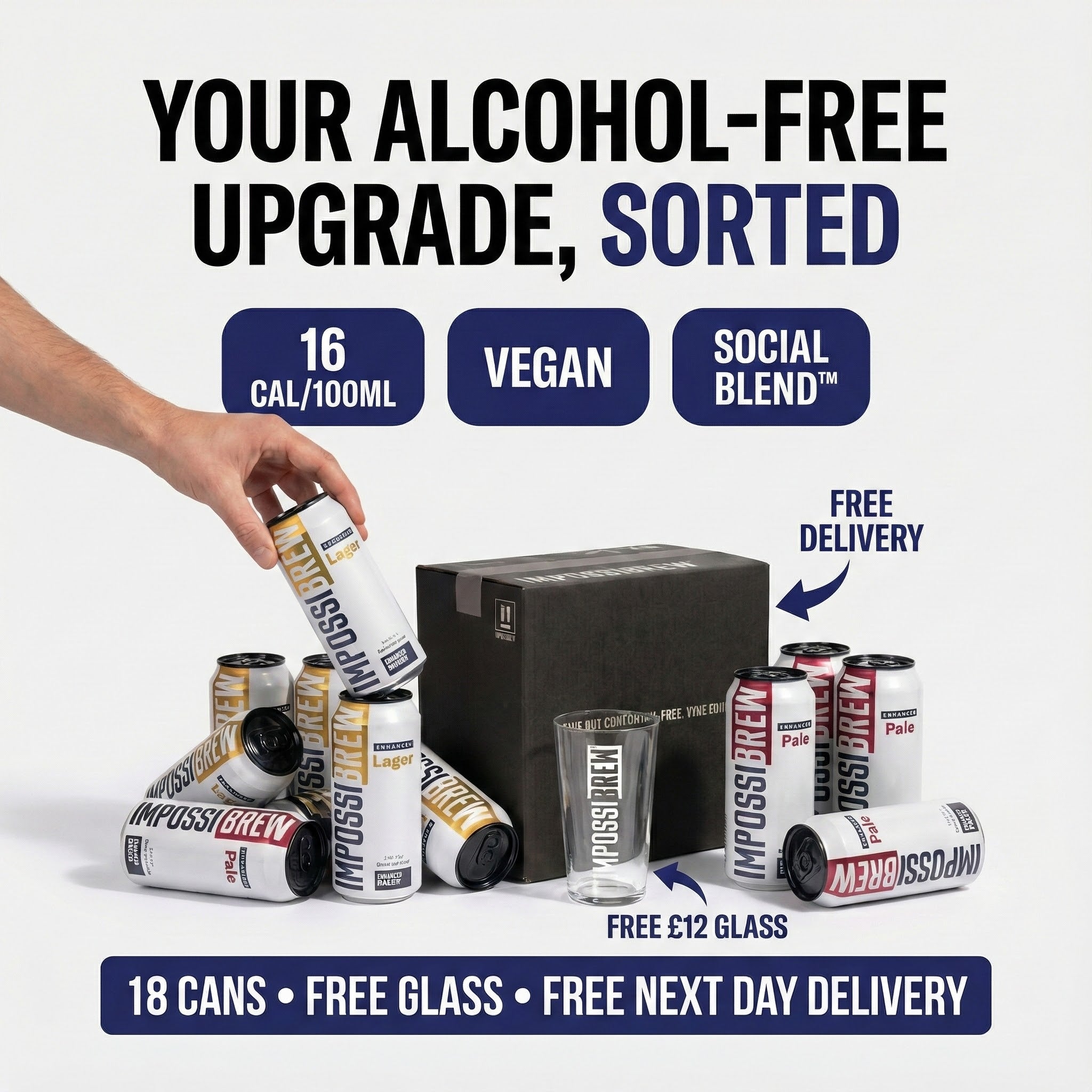
IMPOSSIBREW®: Enhancing the Drinking Experience
IMPOSSIBREW®'s Social Blend™ uses compounds designed to boost viscosity and create a richer mouthfeel, closely mimicking the texture of regular beer. Their process blends traditional brewing techniques with modern ingredient innovations, adding complexity while reducing unwanted flavors.
| Approach | Effect on Mouthfeel | Additional Benefits |
|---|---|---|
| Advanced Hop Extracts | Adds body and texture | Balances overall flavor |
| Ester Replacement Products | Creates a fuller sensation | Improves aroma |
| Natural Flavor Modifiers | Boosts complexity | Masks undesirable flavors |
Brewers are also employing AF4-MALS analysis to fine-tune macromolecular compositions that enhance the beer's texture and fullness [1]. This precise scientific method allows for targeted adjustments, ensuring that the desired mouthfeel is achieved [2]. Current efforts focus on using specialized extracts, natural flavor enhancers, and other techniques to address thin textures and minimize off-flavors [3].
By studying polymer profiles and incorporating feedback from consumers, producers are continuously improving their brewing methods [3]. These approaches help craft non-alcoholic beers that deliver a richer, more satisfying experience - closer to that of traditional beer - without sacrificing taste or texture.
With ongoing advancements, non-alcoholic beer is set to offer an even closer match to the sensory depth of its alcoholic counterpart in the years ahead.
Conclusion and Future Research
Key Points
The macromolecular makeup and processing methods play a critical role in creating a satisfying mouthfeel for non-alcoholic beer. The balance between low- and high-molar-mass polymers directly affects how full and harmonious the beer feels on the palate [1]. Additionally, the thermal processes used during dealcoholization can alter molecular distributions, which has a big impact on texture [2].
Compounds like beta-glucans and dextrins are central to improving texture and balance. When paired with advanced brewing techniques, they can transform the sensory experience of non-alcoholic beers [1]. These developments open doors for exploring new techniques and ingredients.
Future Research Areas
AF4-MALS analysis provides valuable insights into how molecules interact, offering opportunities for refinement [2]. Future research should focus on the following areas:
| Research Priority | Expected Impact |
|---|---|
| Novel Compounds | Improved mouthfeel profiles |
| Processing Optimization | Greater molecular stability |
| Sensory Integration | Enhanced flavor-mouthfeel balance |
Brewing innovations are closing the gap between non-alcoholic and traditional beers. As tools for analysis become more advanced, brewers can gain deeper insights into the complex relationships between macromolecules, processing techniques, and sensory qualities [3]. By tackling these research areas, brewers can better meet consumer demands for both texture and flavor in alcohol-free options, pushing the boundaries of what non-alcoholic beer can offer.