Seasonal Affective Disorder and Alcohol: Why Choosing Alcohol-Free Could Help
As the days grow shorter and darker, many of us feel the winter blues creeping in.
For some, it's more than just a passing mood - it's Seasonal Affective Disorder (SAD). If you're struggling with SAD, you might be tempted to reach for a drink to lift your spirits. But here's why choosing alcohol-free options could be a sensible choice this winter.
We're not here to say "don't drink" this winter if you are affected by SAD, you're always the best judge. But alcohol-free options may be a healthier addition to your beer rotation to improve your wellness this winter if you're struggling with SAD.
What Is Seasonal Affective Disorder?
Seasonal Affective Disorder is like depression's moody cousin who shows up uninvited every winter. Common symptoms include:
- Feeling down most days
- Low energy and motivation
- Sleep issues (usually oversleeping)
- Craving carbs and gaining weight
- Trouble focusing
- Feeling hopeless or worthless
Sound familiar? You're not alone. SAD affects 29% of the UK population. 8% suffer from acute symptoms, while 21% are affected with milder symptoms.
Why Alcohol Seems Like a Good Idea
When you're feeling low, a drink might seem like a quick fix. After all, alcohol can give you a temporary mood boost. We might find ourselves heading for the pub midweek to lift our spirits in the winter, to get cosy, stay social, and enjoy a few pints.
And while socialising will definitely improve SAD-related symptoms, and a pint or two won't do too much damage, it isn't wise to use alcohol as a crutch for coping with SAD.
How Alcohol Makes SAD Worse
Alcohol might provide temporary relief, but it's actually working against you in the long run:
- It disrupts your sleep, making SAD's sleep issues even worse
- It messes with your body's natural rhythm, which is already off-kilter with SAD
- It can increase feelings of depression as it leaves your system
- It can interfere with other treatments for SAD, like light therapy or medication
Studies have found that people dealing with both SAD and alcohol use disorder report the most severe sleep problems. It's a vicious cycle that's hard to break.
The Benefits of Choosing Alcohol-Free Options
Choosing alcohol-free alternatives can have a big impact on managing SAD:
- Better sleep quality (crucial for mood regulation)
- More stable mood and energy levels
- Improved effectiveness of other SAD treatments
Plus, you'll avoid the dreaded hangover - which can feel even worse when you're already dealing with SAD symptoms.
Ways to Cope with SAD
Try these evidence-based strategies if you're struggling with SAD this winter:
- Light therapy: Mimic sunlight to help regulate your body's rhythm
- Exercise: Boost your mood and energy naturally
- Stick to a sleep schedule: Consistency is key
- Stay social: Connect with friends and family for support
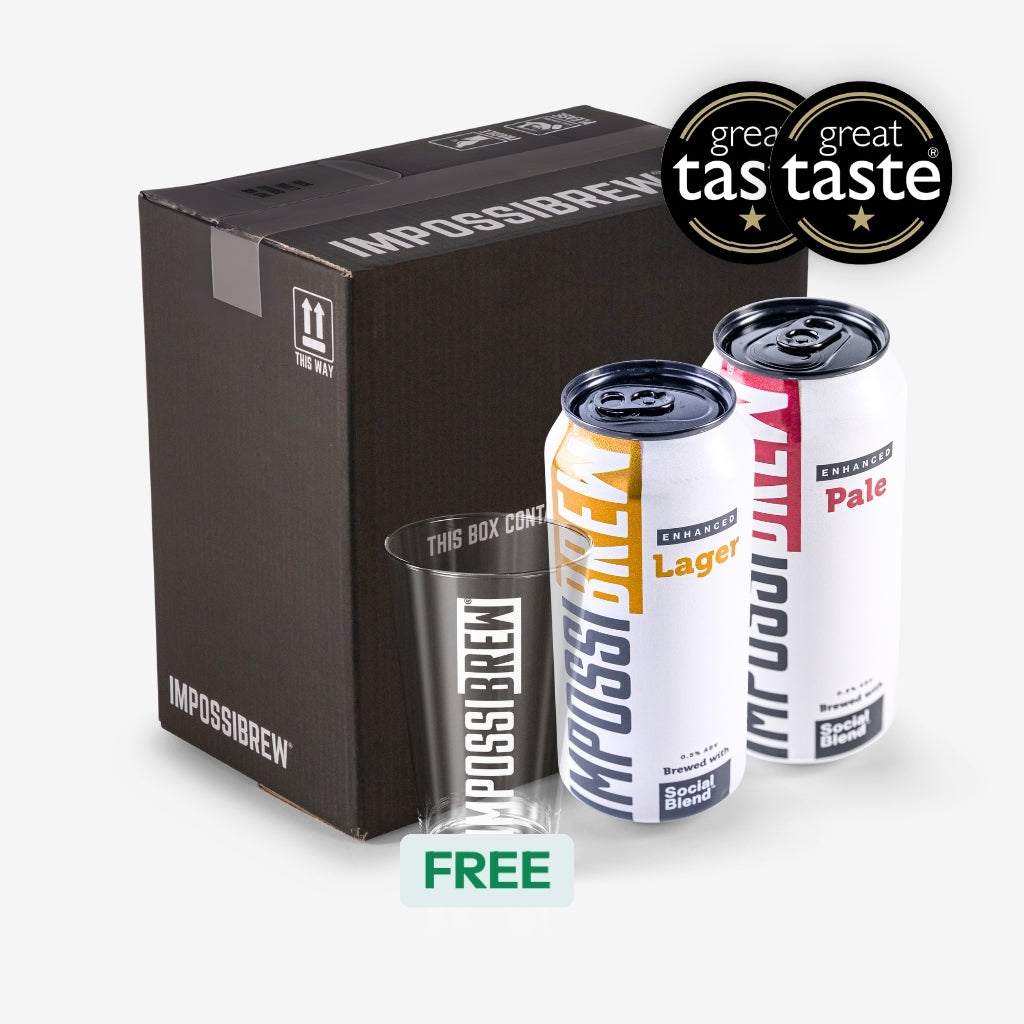
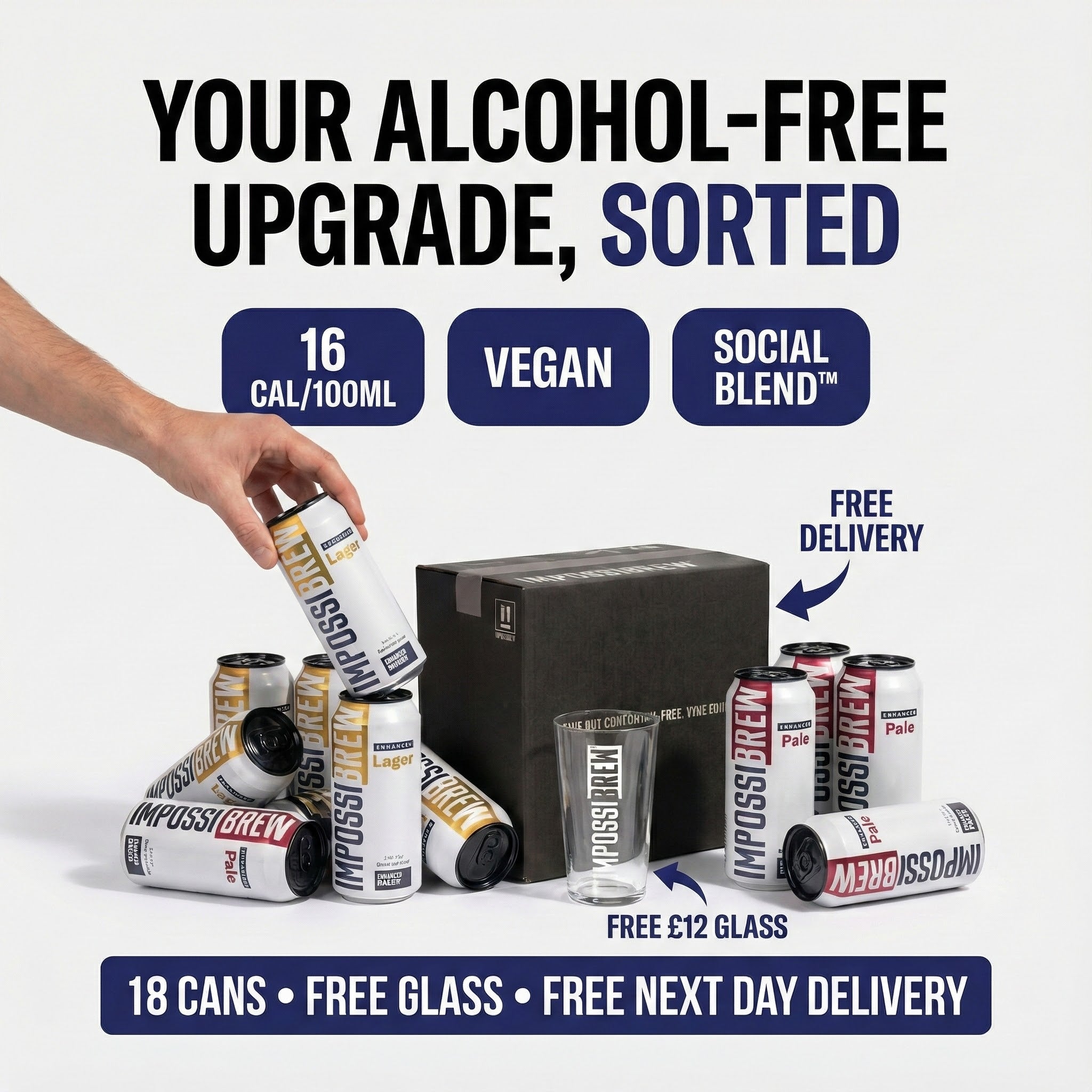
And if you're looking for a relaxing drink without the downsides of alcohol, why not try IMPOSSIBREW®?
It gives you relaxing buzz thanks to its proprietary Social Blend™, designed for the daily wind-down, without the need for alcohol. It's a great way to unwind without derailing your SAD management efforts.
The Bottom Line
Seasonal Affective Disorder is tough, but alcohol isn't the best answer. By choosing alcohol-free options and adopting healthier coping strategies, you can manage your symptoms more effectively and avoid the pitfalls of substance use. Remember, spring will come again - and you'll be in a much better place to enjoy it if you navigate the winter months wisely.
FAQs
Can I Still Drink Occasionally If I Have SAD?
While moderate drinking can be harmless, small amounts can disrupt your sleep and mood. If you do choose to drink, see if limiting it to special occasions works for you, and be mindful of how it affects your symptoms.
Are All Alcohol-Free Beers Really Alcohol-Free?
Most beers labeled as alcohol-free contain 0.5% ABV or less. This is considered effectively zero alcohol, as everyday foods like ripe bananas, orange juice, and burger rolls often contain similar or higher amounts of naturally occurring alcohol.
How Long Does It Take to See Benefits from Going Alcohol-Free?
Many people report improvements in sleep and mood within a few weeks of stopping alcohol use. However, everyone's experience is different. If you're struggling with SAD, give yourself at least a month of alcohol-free living to really feel the benefits.