Alcohol-free beer is gaining popularity among fitness enthusiasts in the UK, with 50% of adults now opting for alcohol-free drinks regularly. Unlike traditional beer, it supports hydration, muscle recovery, and overall well-being without the drawbacks of ethanol. Packed with electrolytes, B vitamins, polyphenols, and fewer calories, it’s a smart choice for active lifestyles. Here are seven ways it can boost your fitness:
- Hydration: Acts as a natural isotonic drink, replenishing fluids and electrolytes lost during workouts.
- Muscle Recovery: Provides essential nutrients like B vitamins and antioxidants to aid tissue repair.
- Electrolyte Balance: Restores sodium and potassium levels for better performance.
- Reduces Inflammation: Antioxidants like polyphenols lower exercise-induced inflammation.
- Strengthens Immunity: Nutrient-rich profile supports immune health, reducing post-exercise risks.
- Relaxation: Offers a calming experience without alcohol’s negative effects.
- Low-Calorie Option: Contains significantly fewer calories than regular beer, supporting weight management.
Alcohol-free beer also fits seamlessly into social occasions, letting you enjoy a drink while staying on track with your fitness goals.
Is Non-Alcoholic Beer a Healthy Drink?
sbb-itb-a752bf8
Why Alcohol-Free Beer Fits a Fitness-Focused Lifestyle
Alcohol-free beer, defined as containing less than 0.5% ABV, is widely recognised in the UK and Europe. This minimal alcohol content is similar to what occurs naturally in some everyday foods, ensuring it retains the traditional brewing ingredients while avoiding the effects of ethanol.
Made with water, malted barley, wheat, hops, and yeast, alcohol-free beer is packed with nutrients. It provides B vitamins, including B12 and folate, along with plant-based polyphenols, which promote healthy circulation and gut function. These nutrients play a role in muscle recovery and improving performance, making alcohol-free beer a natural fit for those prioritising fitness. Plus, with the removal of alcohol - known to add around 7 calories per gram - the calorie count drops significantly. This combination of nutrients and lower calories supports overall health while aiding recovery and performance, key for anyone leading an active lifestyle.
The growing awareness of these benefits has driven both consumer interest and industry innovation.
"With more information available around alcohol consumption and the potential consequences of it, people have been more open to non‐alcoholic versions and that has created a demand that industry seems to have been able to exploit."
- Dr. Caomhán Logue, Senior Lecturer in Dietetics, Ulster University [5]
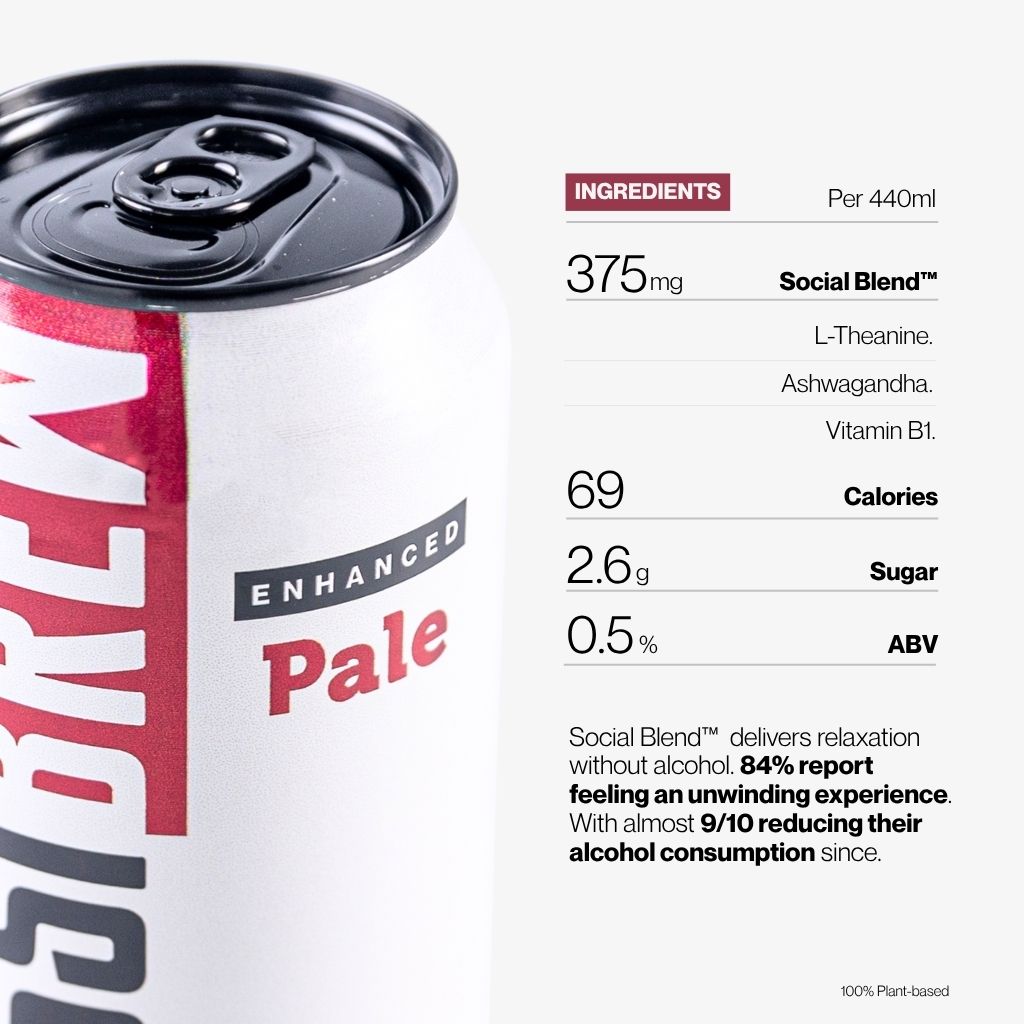
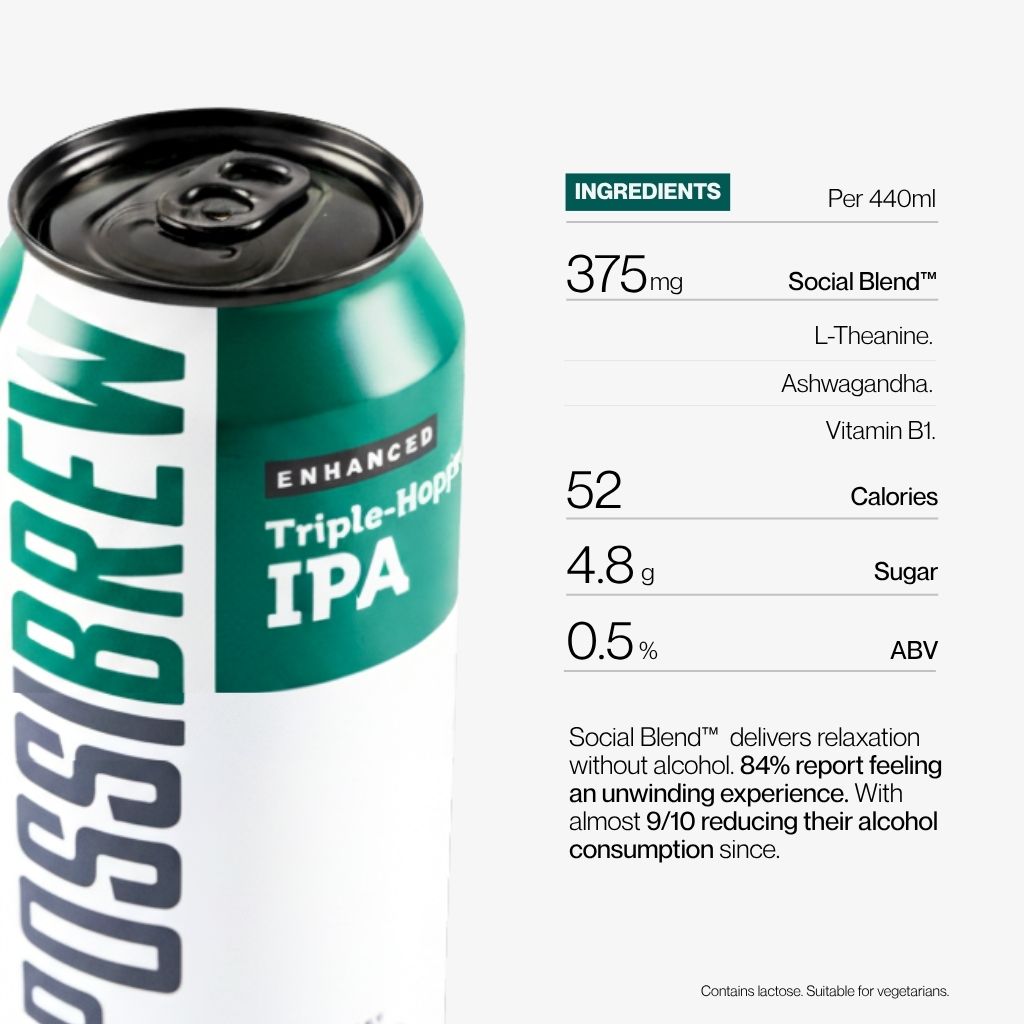
The UK market has embraced this shift, with 38% of UK drinkers now choosing low- and no-alcohol options semi-regularly - up from 29% in 2022. Among these, 15% to 20% highlight the added health benefits as their main reason for switching [5]. Advances in brewing methods, such as low-pressure extraction and cryogenic fermentation, have ensured these beverages maintain authentic flavours. Some brands have gone a step further, incorporating functional ingredients like nootropics and adaptogens (e.g., Ashwagandha and L-Theanine) to create drinks that offer a relaxing, social experience without the physical effects of alcohol.
1. Helps You Stay Hydrated During and After Workouts
Alcohol-free beer works as a natural isotonic drink, meaning its balance of salt and sugar closely mirrors the composition of the human body. This unique balance allows the body to absorb fluids more effectively than water alone, making it a great option for rehydration after exercise [6] [8]. Not only does this support hydration, but it also aids in the recovery process that follows.
Hydration Benefits
Hydration is a cornerstone of workout recovery, as it helps repair muscles and maintain overall performance. During exercise, you lose key electrolytes like sodium and potassium through sweating. Alcohol-free beer naturally contains these minerals, helping to restore fluid balance and prevent cramps [6]. Registered nutritionist Kerry Torrens highlights this, noting that the isotonic nature of the drink ensures "our cells are more efficient at taking up that fluid and replacing what we've lost" [8].
Additionally, Brad Schoenfeld, PhD, an exercise science adviser for Men's Health, points out: "Beer has carbohydrates and some sodium where water does not, which could be beneficial post-exercise" [7]. These carbohydrates not only help with water retention but also replenish glycogen stores depleted during physical activity [1].
Impact on Muscle Recovery
The benefits of alcohol-free beer go beyond just rehydration. Its composition also supports faster muscle recovery. By promoting fluid retention and restoring glycogen levels, it helps muscles recover more efficiently. On top of that, the polyphenols from hops and malt provide antioxidants, which help reduce inflammation and protect muscles from oxidative stress [6]. As Schoenfeld summarises, "If alcohol-free beer encourages people to rehydrate after a workout, then that's a good thing" [7].
2. Aids Muscle Recovery with Natural Ingredients
Nutritional Value
Alcohol-free beer retains key nutrients like B-vitamins (including B12), zinc, manganese, selenium, and polyphenols from hops and malted barley. These nutrients are essential for muscle repair and antioxidant defence, aiding the enzyme pathways responsible for tissue recovery [1][11].
Polyphenols, which make up 55-88% of the antioxidant capacity in commercial beer, play a major role. Over 50% of this comes from ferulic acid, and hops alone contribute 56 phenolic compounds. Together, these compounds help protect muscles from oxidative stress [11].
By delivering these nutrients, alcohol-free beer not only promotes general health but also creates the ideal conditions for muscle recovery.
Impact on Muscle Recovery
Beyond hydration, the nutrient profile of alcohol-free beer actively supports muscle recovery. Carbohydrates replenish glycogen stores, while sodium and potassium help maintain electrolyte balance [6][12]. Dr. Jackie S. Womble highlights the hormonal benefits:
"Since alcohol can decrease testosterone and growth hormone, as well as enzymes important for muscle growth, drinking a non-alcoholic beer can allow an athlete to get the most out of workouts and be better prepared for optimal recovery." [12]
A study conducted in June 2016 by researchers from Universidad Finis Terrae involved seven footballers running for 45 minutes after consuming 0.7 L of water, beer, or alcohol-free beer. The findings revealed that alcohol-free beer maintained plasma sodium and potassium levels, whereas alcoholic beer caused a significant drop in sodium and an 8.5% increase in potassium - factors linked to muscle fatigue and reduced strength [3].
Adding to this, research shows that athletes who consume alcohol have an injury rate of 54.8%, compared to just 23.5% for non-drinkers [12]. This underscores the advantages of choosing alcohol-free beer for recovery and injury prevention.
3. Restores Electrolytes for Better Performance
Hydration Benefits
Electrolytes like sodium (Na⁺) and potassium (K⁺) are vital for keeping your body’s fluid balance and overall stability in check. During intense exercise, you can lose up to 5 litres of fluid per hour, which drains electrolytes through sweat and hampers both physical and mental performance [13].
Alcohol-free beer can step in here. Thanks to its sodium content, it helps your body retain fluids better than plain water. For example, a 350 mL serving of alcohol-free beer provides 32 mg of sodium and 104 mg of potassium, compared to the almost negligible amounts in water (0.06 mg of sodium and 0.03 mg of potassium) [13]. Even a small dehydration level - losing less than 2% of body mass - can impact performance [13]. The added minerals in alcohol-free beer help combat this, making it a practical option for hydration and recovery.
Nutritional Value
Alcohol-free beer also offers around 26 g of carbohydrates per 350 mL. This carbohydrate content not only replenishes glycogen stores but also boosts hydration by enhancing water absorption [11][13]. Together, the carbs and electrolytes make it a solid choice for supporting intense training sessions and speeding up recovery.
Research led by Mauricio Castro-Sepulveda at the Exercise Science Laboratory highlights another benefit. Drinking alcohol-free beer before a workout helps maintain stable blood electrolyte levels. In contrast, alcoholic beer caused plasma sodium levels to drop by 3.7% and potassium levels to rise by 8.5%, which can disrupt heart rate and muscle function [13]. With alcohol-free beer, plasma sodium levels stayed steady throughout exercise, offering a clear edge for sustained performance [13].
"The presence of electrolytes in the beer also helps improve the recovery process by helping athletes retain more fluid following a workout." – Athletic Brewing Company [12]
4. Lowers Inflammation with Antioxidants
Adding to its recovery perks, alcohol-free beer plays a role in reducing exercise-induced inflammation.
Nutritional Value
Alcohol-free beer is packed with polyphenolic compounds - antioxidants naturally found in hops and barley - that help the body manage inflammation after intense workouts. These include ferulic acid, xanthohumol, and quercetin, which work in tandem to minimise the inflammatory response triggered by physical exertion [14].
Ferulic acid alone accounts for over 50% of the antioxidant capacity in many beers, while xanthohumol is nine times more effective than Trolox at neutralising harmful free radicals [11][15]. Some alcohol-free beers boast up to 57 phenolic compounds, offering around 366 mg/L of total polyphenols [15]. These antioxidants not only protect cells but also help reduce post-exercise inflammation.
Impact on Muscle Recovery
Polyphenols in alcohol-free beer can significantly lower interleukin-6 (IL-6), a key inflammatory marker that rises after intense training [14]. They also help reduce the surge in white blood cell counts, with total blood leukocyte levels dropping by about 20% after strenuous exercise [14].
A 2012 study led by Johannes Scherr examined 277 healthy male runners participating in the Munich Marathon. Those who drank 1–1.5 litres of non-alcoholic beer daily for three weeks before and two weeks after the race saw a 3.25-fold lower incidence of upper respiratory tract infections compared to a placebo group [14]. This benefit is linked to the polyphenols' ability to combat systemic inflammation and oxidative stress.
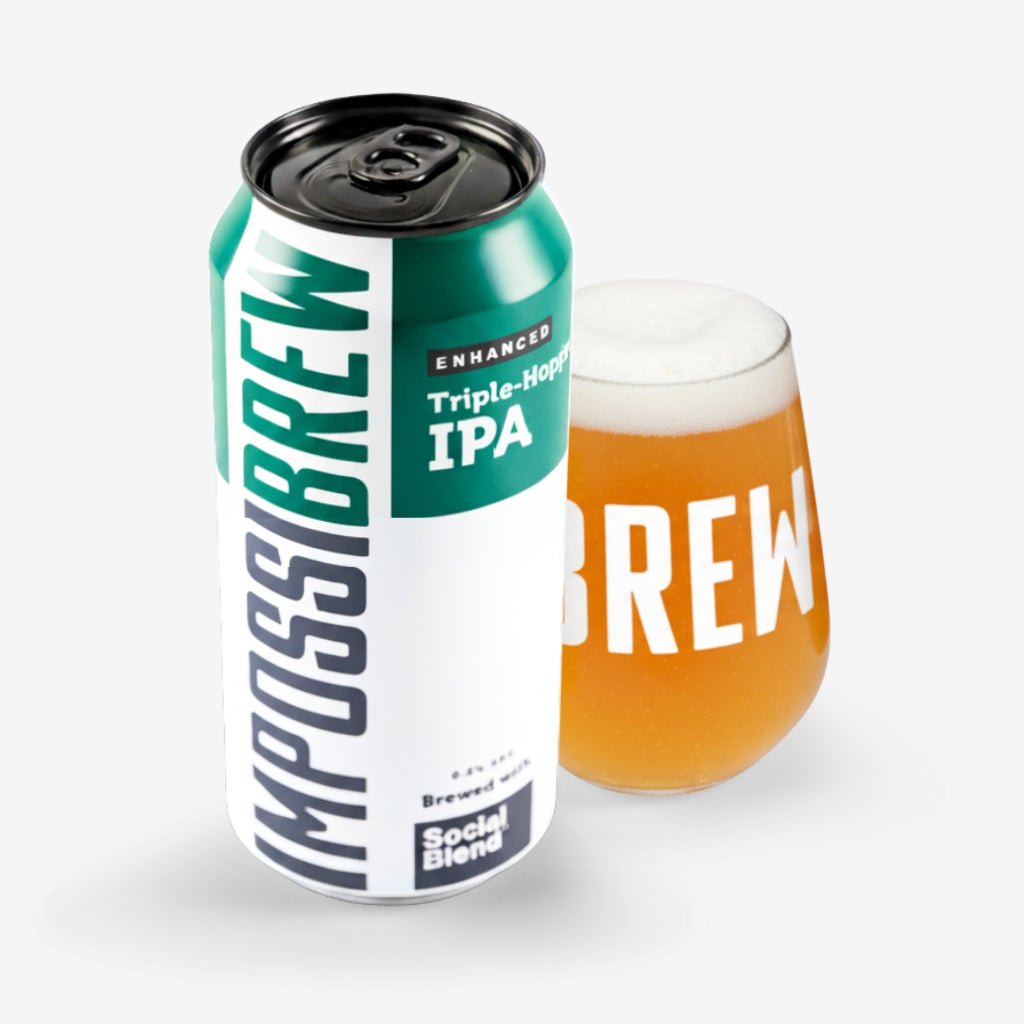
For maximum anti-inflammatory effects, opt for "hoppy" alcohol-free beers, like AF IPAs. These varieties are rich in prenylated phenols and flavonoids derived from hop flowers, offering enhanced benefits [11].
5. Strengthens Immune Function with Key Nutrients
Beyond its ability to help manage inflammation, alcohol-free beer delivers a rich mix of nutrients that can give your immune system a boost, especially during periods of intense physical activity. This nutrient-packed profile works alongside its anti-inflammatory properties to reinforce your body’s natural defences.
Nutritional Value
Alcohol-free beer is a treasure trove of over 1,000 polyphenolic compounds, with 70% coming from barley malt and 30% from hops. It also provides essential B vitamins - like B6, B9, and B12 - and minerals such as selenium, silicon, and potassium, all of which play a role in supporting immune health. Other beneficial compounds include barley beta-glucans, bitter acids from hops, melatonin created during fermentation, and quercetin, which collectively help modulate immune responses and even provide antiviral benefits [16].
"Nutritional therapy, for example through beer, is the best solution to human chronic diseases." – Yawen Zeng, Biotechnology and Germplasm Resources Institute [16]
Studies have shown that drinking alcohol-free beer can lower the risk of upper respiratory tract infections and reduce inflammation after intense workouts [9]. Its isotonic nature, thanks to its balanced blend of minerals, salts, and carbohydrates, also aids in rehydration by improving how effectively cells absorb fluids [8][10].
6. Helps You Relax Without Alcohol's Negative Effects
After a tough workout, reaching for a traditional beer might seem tempting, but it can actually slow down your recovery. Alcohol in beer can lead to dehydration, disrupt your sleep, and delay muscle repair. On the other hand, alcohol-free beer lets you enjoy the familiar ritual of having a pint without these downsides.
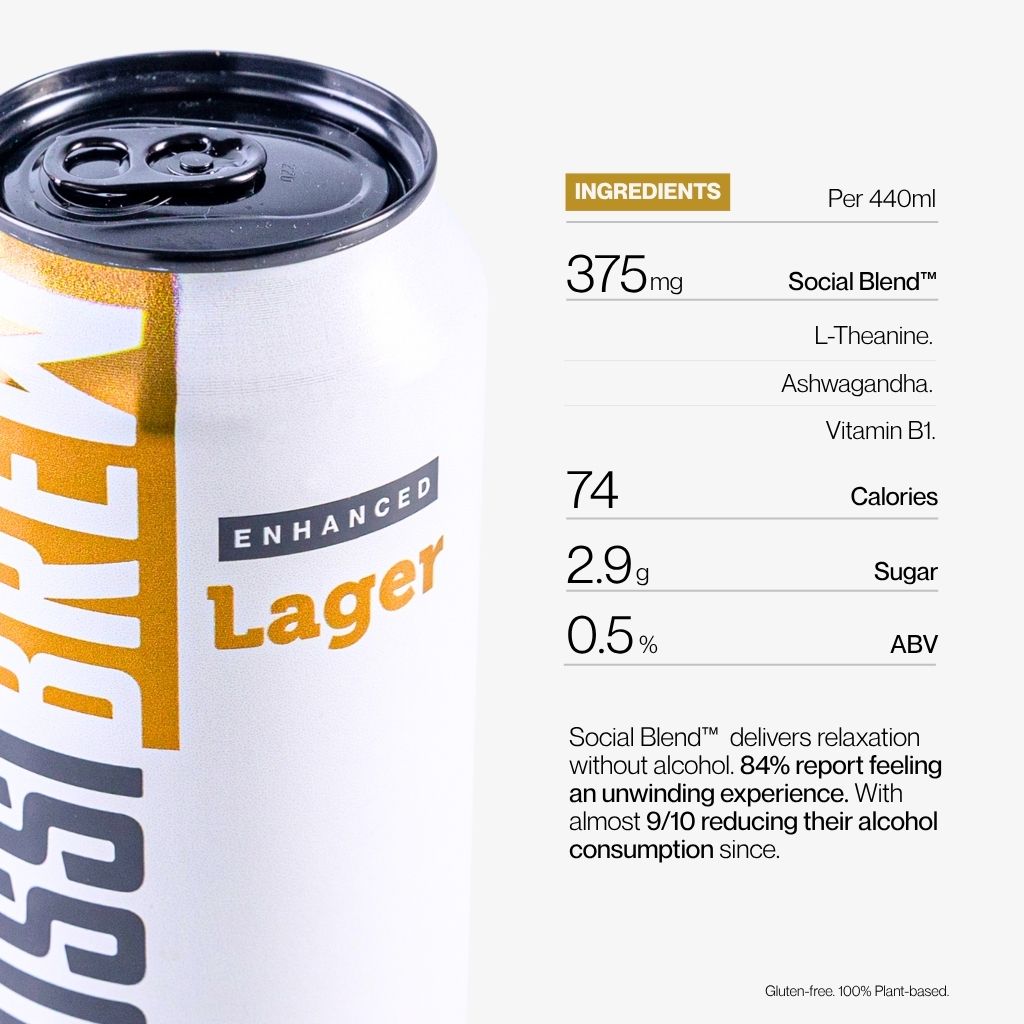
The relaxation benefits go beyond just the social and psychological aspects. Many enhanced alcohol-free beers now include ingredients like L-Theanine and Ashwagandha, alongside hops polyphenols. These ingredients work together to promote relaxation by boosting serotonin levels and encouraging alpha brain wave activity - essentially mimicking the calming effect of a pint, but without derailing your recovery.
In fact, a study involving over 1,000 participants found that more than 70% felt relaxed after drinking enhanced non-alcoholic beer. What's more, 88% of them reduced their overall alcohol intake after making the switch to these alternatives[1]. This means you can enjoy the social aspect of drinking while also supporting your recovery, hydration, and nutrient intake.
"Research has shown alcohol-free beer can give you the sense of being drunk. This is why many people find it helps them unwind." – Tom Hallett, Writer and Reviewer, Alcohol Change UK[9]
7. Offers a Lower-Calorie Option Compared to Regular Beer
Alcohol-free beer isn’t just about hydration and recovery - it’s also a great pick for those looking to keep their calorie intake in check.
Caloric Content
When it comes to fitness and health, every calorie counts. A regular bottle of beer can pack up to 150 calories [1]. By removing most of the alcohol, alcohol-free beer significantly reduces this number.
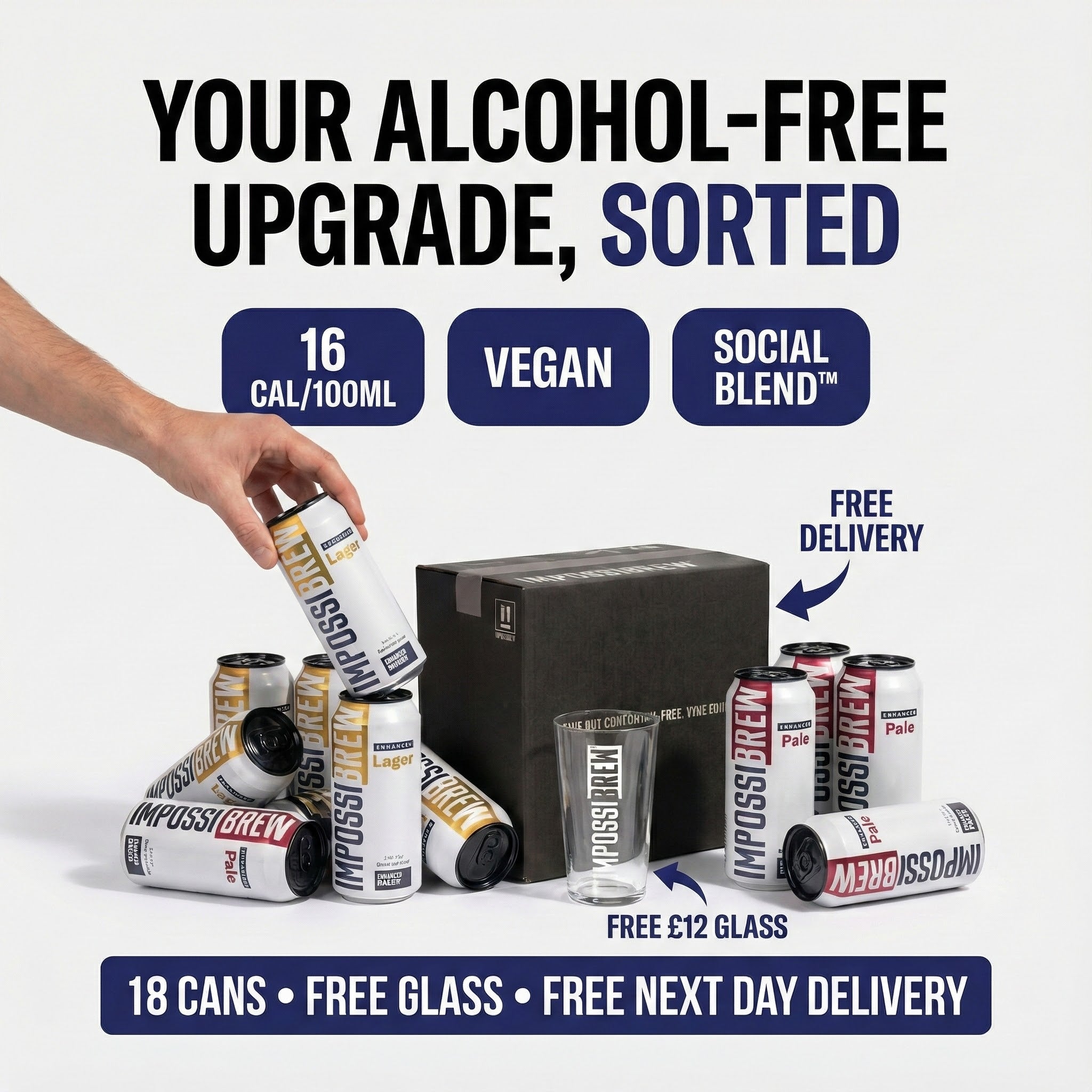
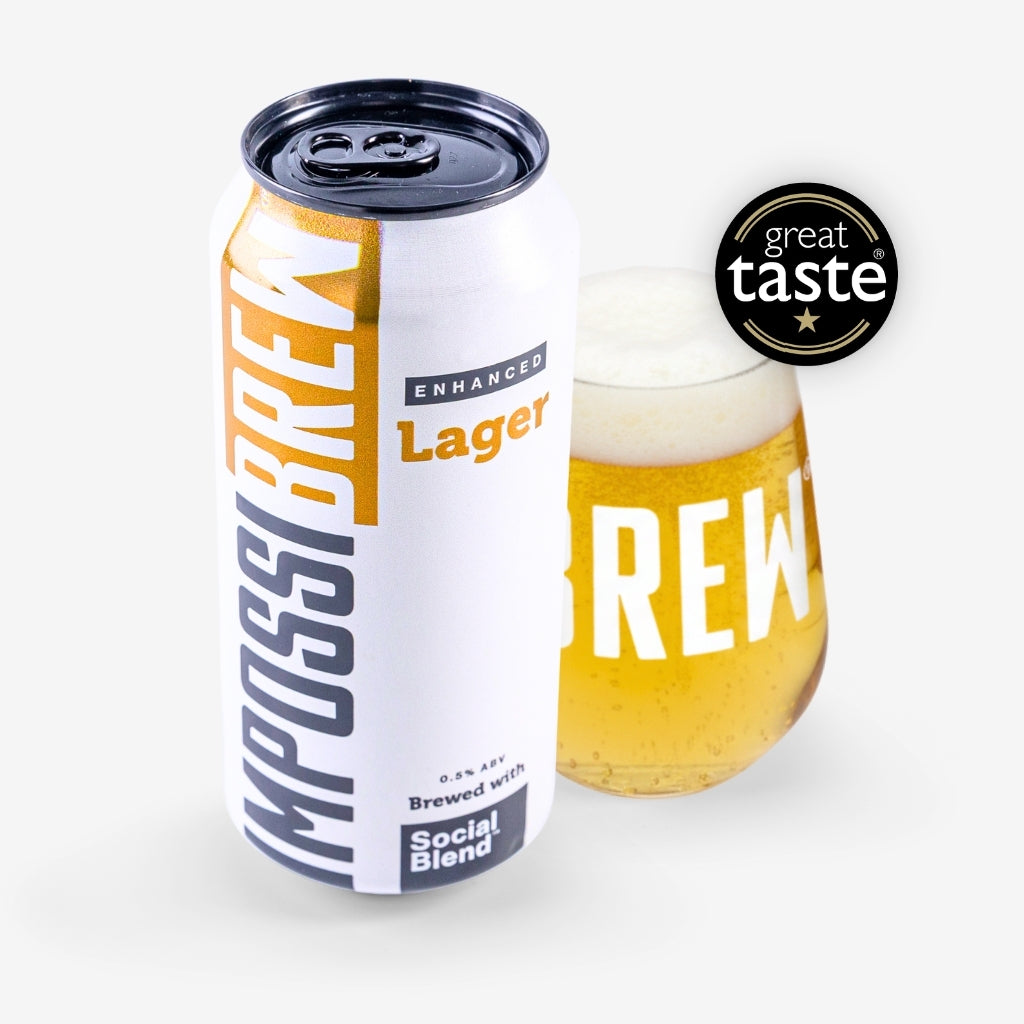
For example, a standard alcoholic beer (4.6% ABV) contains around 43 calories per 100ml. In comparison, non-alcoholic beer (0.0% ABV) typically has just 17–18 calories per 100ml [3]. Some, like IMPOSSIBREW®'s Enhanced Lager, go even lower at 16 calories per 100ml [1]. That’s a calorie reduction of roughly 60%, making it an excellent option for those looking to manage their weight.
Nutritional Value
Despite having fewer calories, alcohol-free beer still provides about 4g of carbohydrates per 100ml - ideal for replenishing glycogen stores. It’s also a source of polyphenols, B vitamins, and minerals, all without added fat or sucrose.
"For performance, recovery and health, nonalcoholic beer is likely to be a much better choice and can even be as good as or better than regular sports drinks." – Gretchen Reynolds, The Washington Post [17]
This lower-calorie option allows you to enjoy the social experience of a pint without compromising your nutrition goals. Whether you’re focused on cutting weight, maintaining muscle tone, or simply avoiding extra calories, alcohol-free beer offers a practical and enjoyable alternative. Plus, it provides added functional benefits that plain water just can’t match.
How to Add Alcohol-Free Beer to Your Fitness Routine
Incorporating alcohol-free beer into your fitness routine can provide hydration and recovery benefits while fitting seamlessly into an active lifestyle. Here’s how you can make the most of it:
Post-Workout Hydration:
After a challenging workout, rehydration is key. A good rule of thumb is to consume about 10 mL of fluid per kilogram of body weight. For instance, a 75-kg individual would need approximately 750 mL of alcohol-free beer to help replenish fluids. Its sodium content (80–100 mg/L) plays a role in maintaining fluid balance, making it more effective than plain water when paired with a balanced meal. As Brad Schoenfeld, PhD, explains:
"Beer has carbohydrates and some sodium where water does not, which could be beneficial post‐exercise" [7].
Pre-Workout Consumption:
Drinking alcohol-free beer before exercise can help stabilise electrolyte levels. About 0.7 L consumed 45 minutes before a workout can maintain plasma sodium and potassium levels, especially useful during endurance activities or in warmer conditions. This approach helps prevent dips in plasma sodium that water alone might not address [3].
As a Social Alternative:
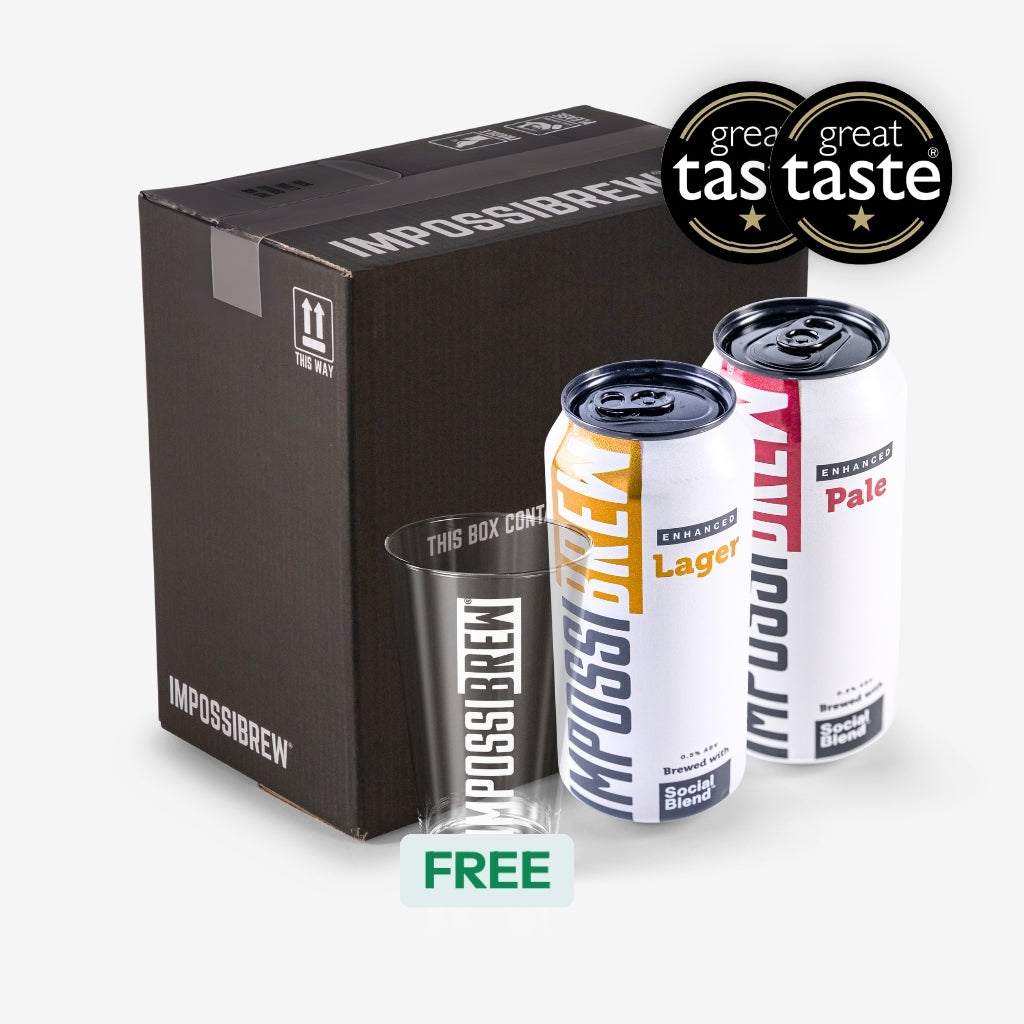
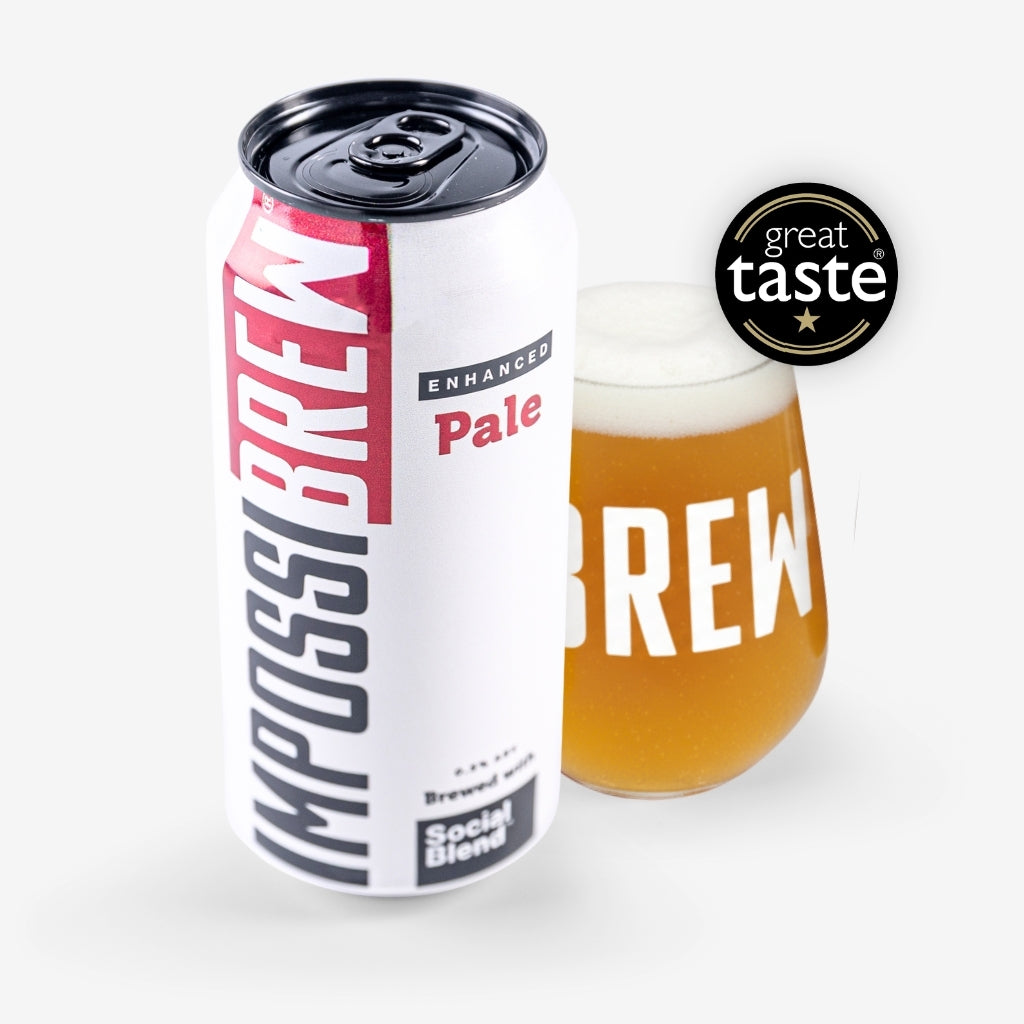
Alcohol-free beer isn’t just for workouts - it’s also a great social choice. It lets you enjoy a drink with friends without the downsides of alcohol, such as hangovers that can interfere with training. Products like IMPOSSIBREW®'s Enhanced Lager and Enhanced Hazy Pale, featuring their proprietary Social Blend™, provide a relaxing experience without compromising recovery [1].
Meal Pairing:
Pairing alcohol-free beer with a nutritious meal can enhance electrolyte replacement and nutrient absorption. However, it’s worth noting that excessive daily intake (beyond 660 mL) could lead to potential side effects like impacted fasting glucose levels [2].
Conclusion
Alcohol-free beer offers several perks for fitness enthusiasts, including replenishing electrolytes, aiding muscle recovery, reducing inflammation, and serving as a low-calorie, hangover-free option for social occasions. These qualities make it an easy addition to any fitness-focused lifestyle.
Research shows that non-alcoholic beer helps maintain plasma sodium and potassium levels, while its carbohydrate content supports glycogen replenishment. Additionally, natural antioxidants in alcohol-free beer help combat oxidative stress [1][3][4]. With some options containing just 16 calories per 100 ml, it’s also a smart choice for those aiming to manage their weight [1].
For an enhanced experience, consider IMPOSSIBREW®'s Enhanced Lager and Enhanced Hazy Pale. These beers are crafted with a unique blend of nootropics and adaptogens, including the proprietary Social Blend™ - a combination of L-Theanine and Ashwagandha. Designed to promote relaxation without the drawbacks of alcohol, these products are highly rated, boasting a 4.7/5-star score and recognition as the UK's Best Non-Alcoholic Beer by the World Beer Awards [1].
Whether you’re rehydrating after a workout, gearing up for your next session, or simply relaxing at the end of the day, alcohol-free beer allows you to enjoy the ritual of drinking while supporting your health and fitness goals.
"For performance, recovery and health, nonalcoholic beer is likely to be a much better choice and can even be as good as or better than regular sports drinks." – Gretchen Reynolds, The Washington Post [17]
FAQs
Is alcohol-free beer better than water after a workout?
Alcohol-free beer can be a refreshing choice after a workout and, in certain situations, might even outperform water for recovery. Thanks to its carbohydrates and sodium, it supports rehydration, while the electrolytes help replenish what’s lost through sweat. That said, overindulging - having more than one or two - might counteract these benefits. When enjoyed in moderation, alcohol-free beer can be a helpful option for both recovery and hydration.
How much alcohol-free beer should I drink for recovery?
For recovery, opting for a low-alcohol beer with an ABV under 4% is ideal. Generally, one or two servings (roughly 330 ml each) are suggested. Be cautious with higher alcohol content, as it can diminish the benefits and potentially increase risks. Keeping consumption moderate ensures better hydration and supports recovery effectively.
Is alcohol-free beer OK for weight loss?
Alcohol-free beer can fit into a weight loss plan by helping to keep calorie intake in check. Many of these beverages are lower in calories and sugar-free, offering a lighter option for those looking to enjoy a drink without compromising their dietary goals.