Alcohol-free beer has gained popularity as a healthier alternative to traditional beer, particularly for those aiming to lose weight. With significantly fewer calories and the absence of alcohol, it offers a way to enjoy the social and sensory aspects of beer without the associated weight gain and health risks.
Comparing Caloric Content: Alcohol-Free vs. Regular Beer
Impact on Metabolism and Fat Reduction
Alcohol-free beer can positively impact metabolism and fat reduction due to its bioactive compounds, such as polyphenols, which are known to improve metabolic health. Studies have shown that the non-alcoholic fraction of beer may help reduce abdominal fat and improve lipid profiles without the adverse effects associated with alcohol consumption. Additionally, alcohol-free beer enriched with soluble plant fibre has been found to improve postprandial glycemia and insulin resistance, which are crucial factors in metabolic health and fat reduction. Furthermore, regular consumption of alcohol-free beer has been associated with increased gut microbiota diversity, which is linked to better metabolic outcomes and reduced body fat mass. These findings suggest that alcohol-free beer can be a beneficial addition to a weight management and metabolic health regimen.
Role of Non-Alcoholic Beer in Post-Workout Recovery
Best Low-Calorie Beer Option
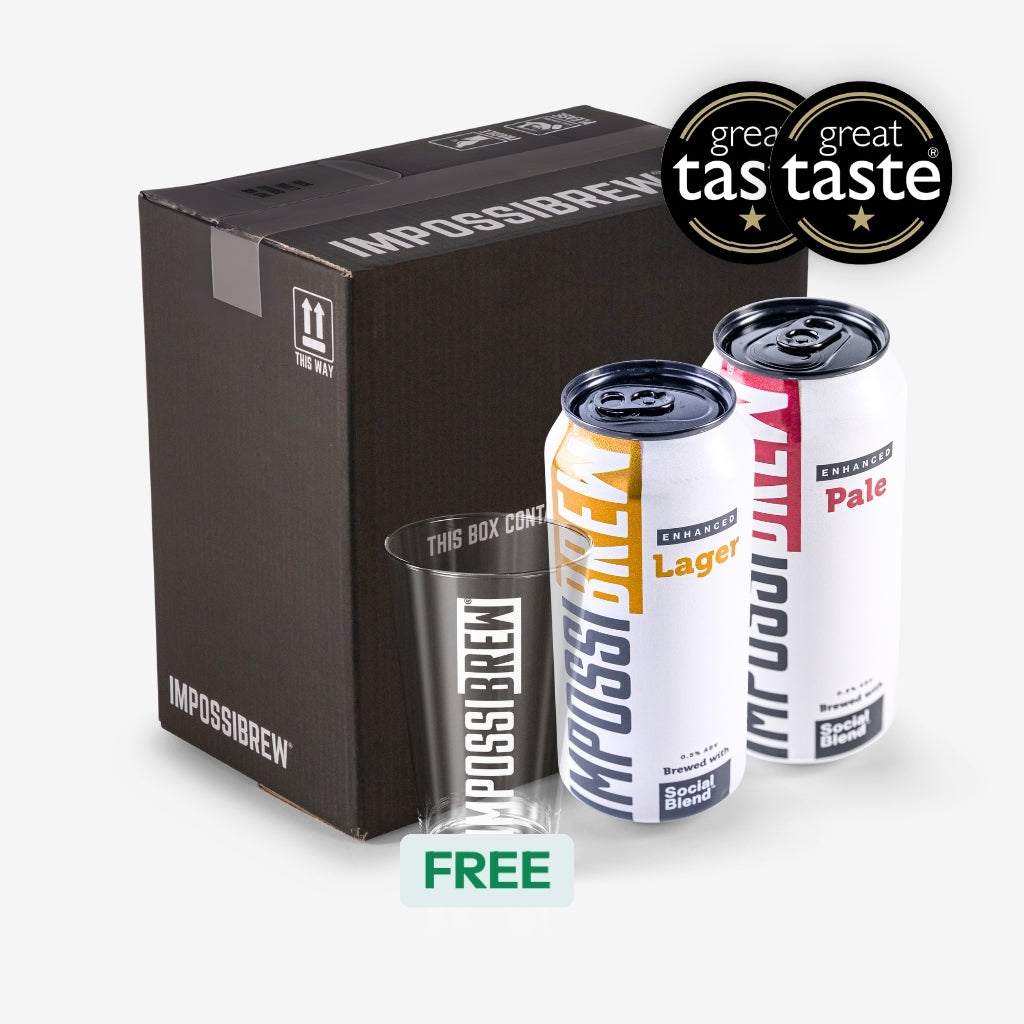
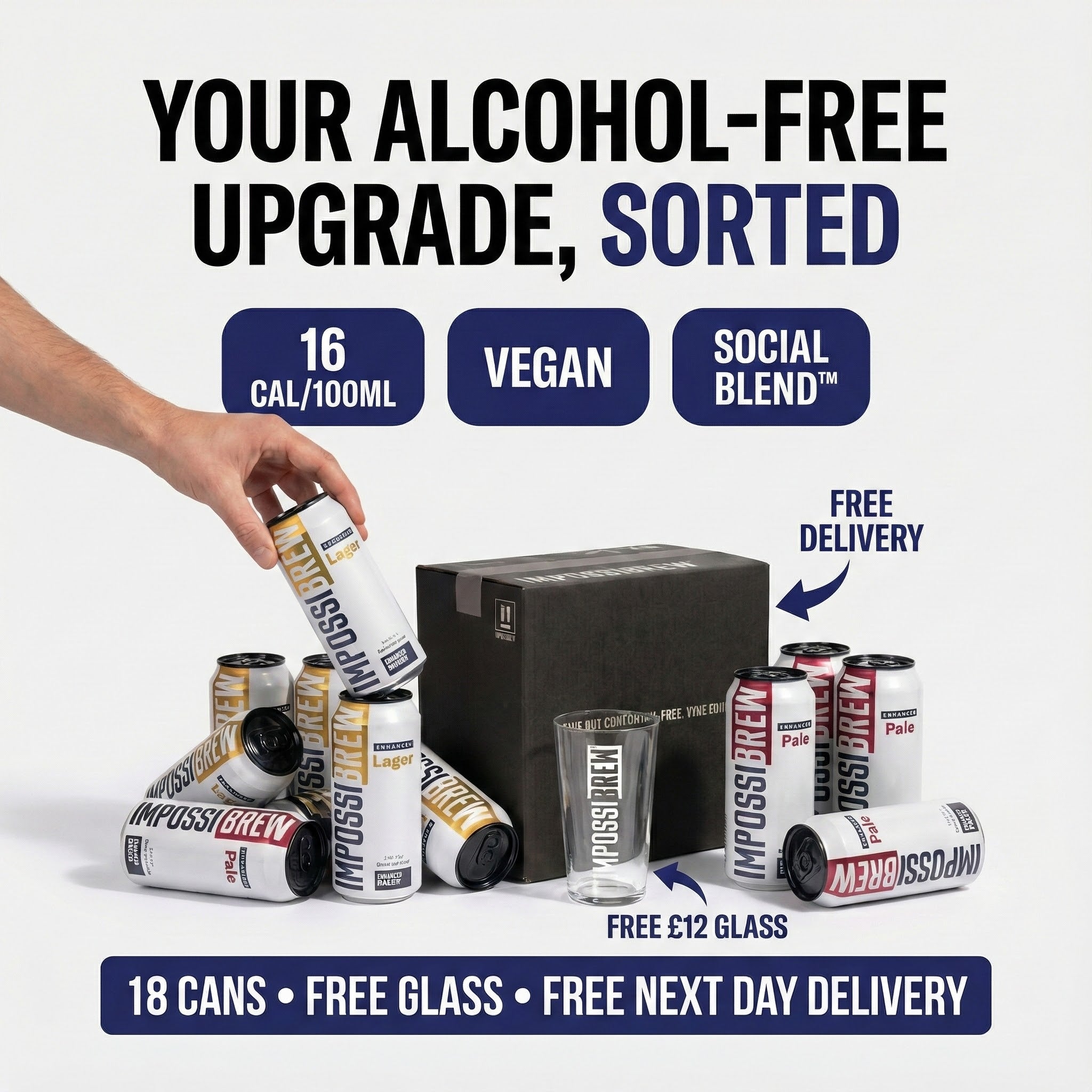
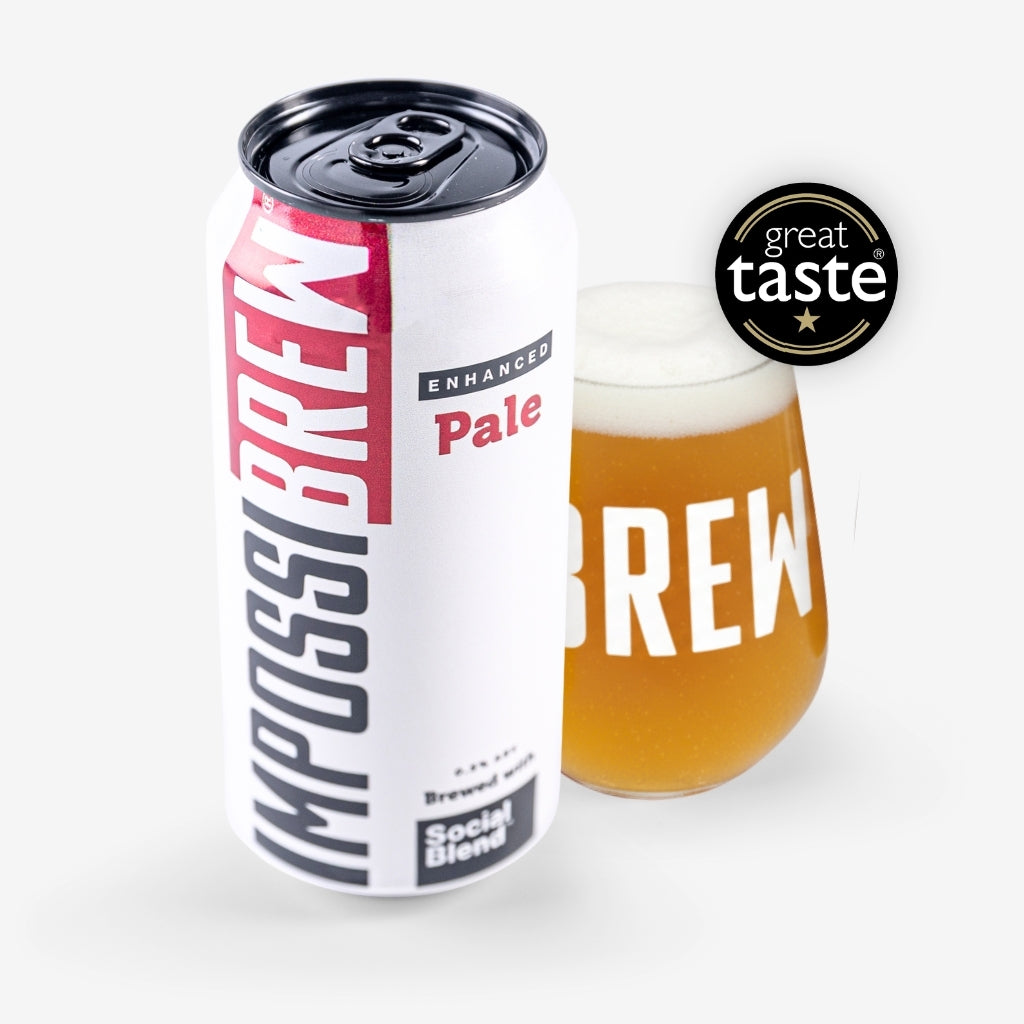
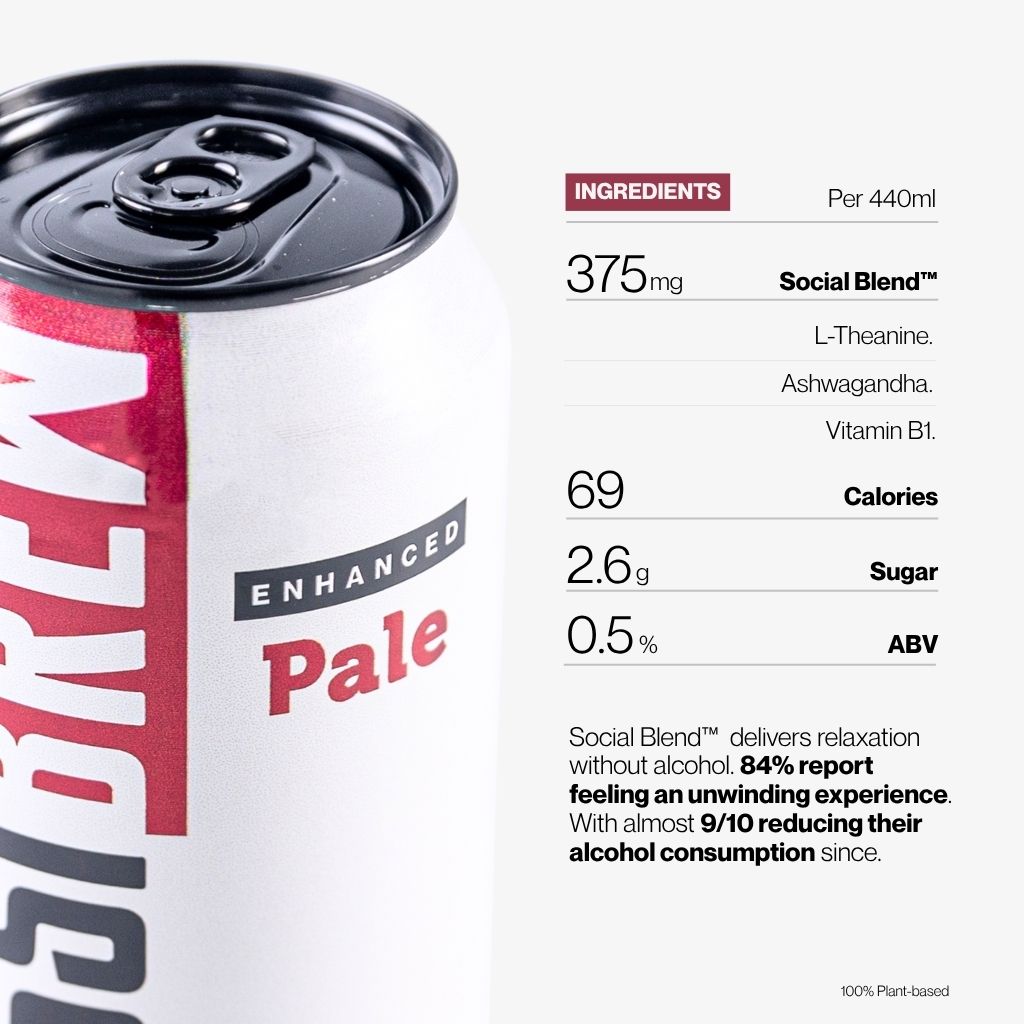
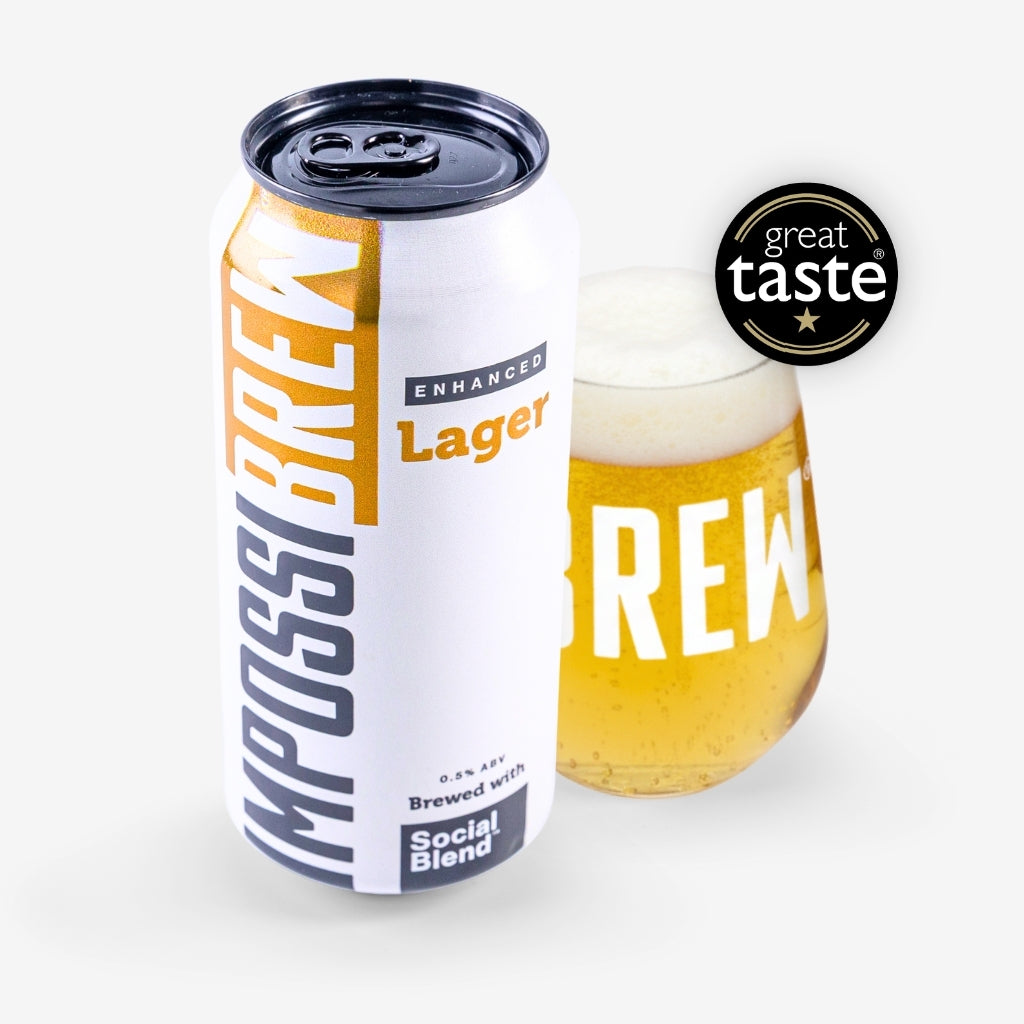
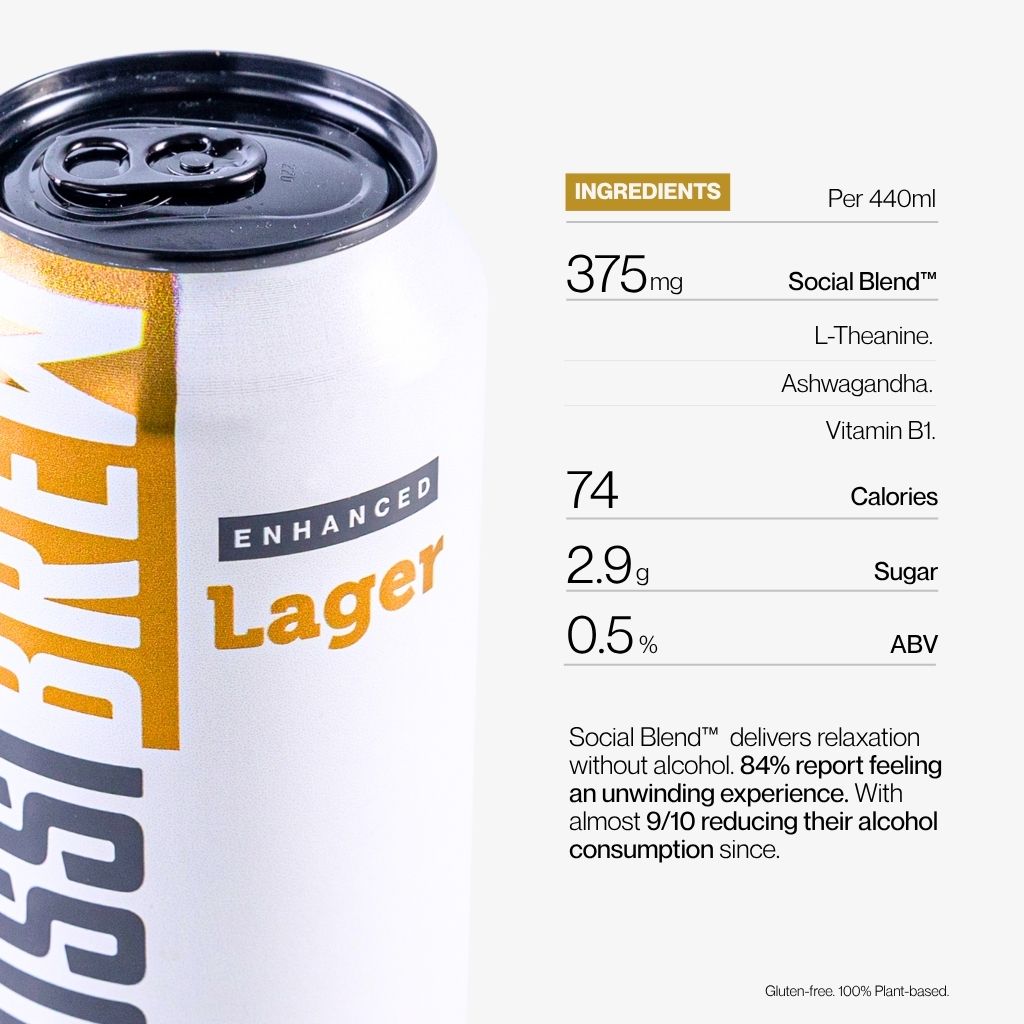
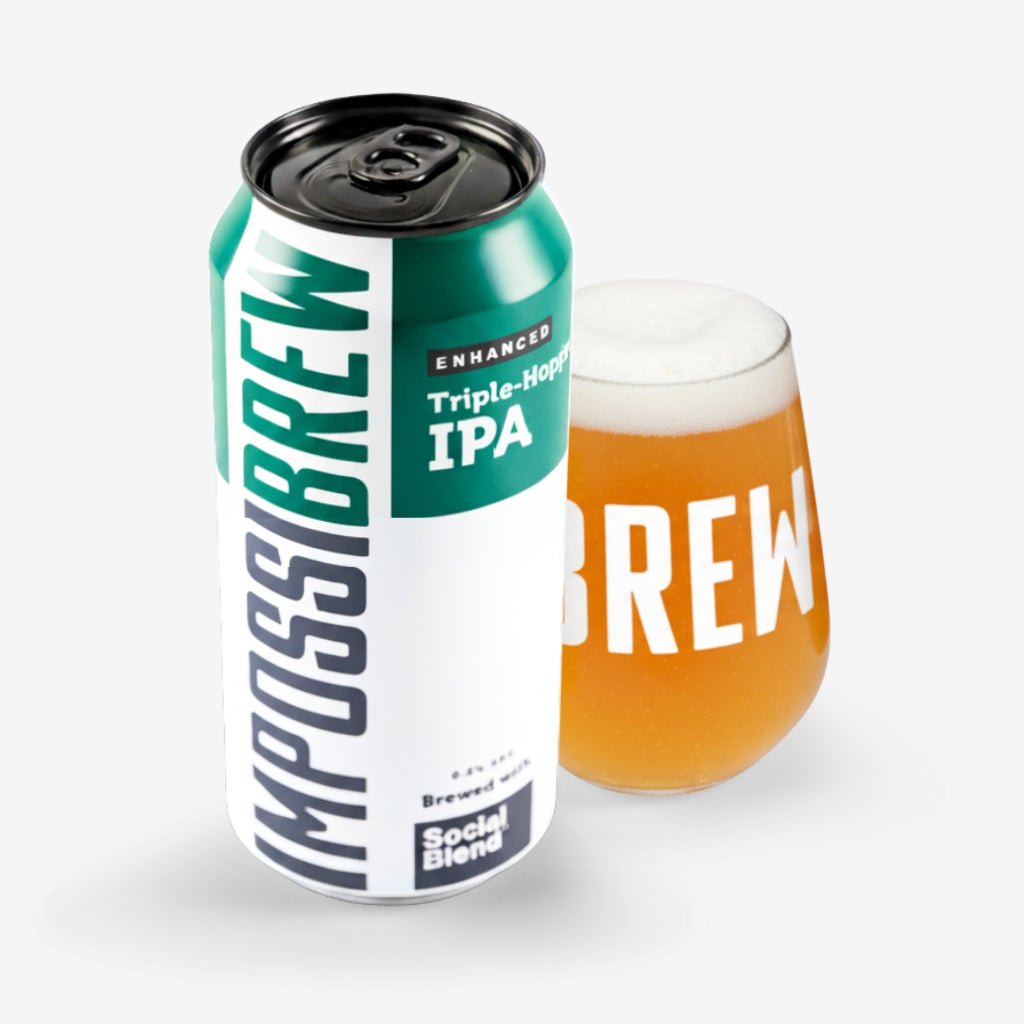
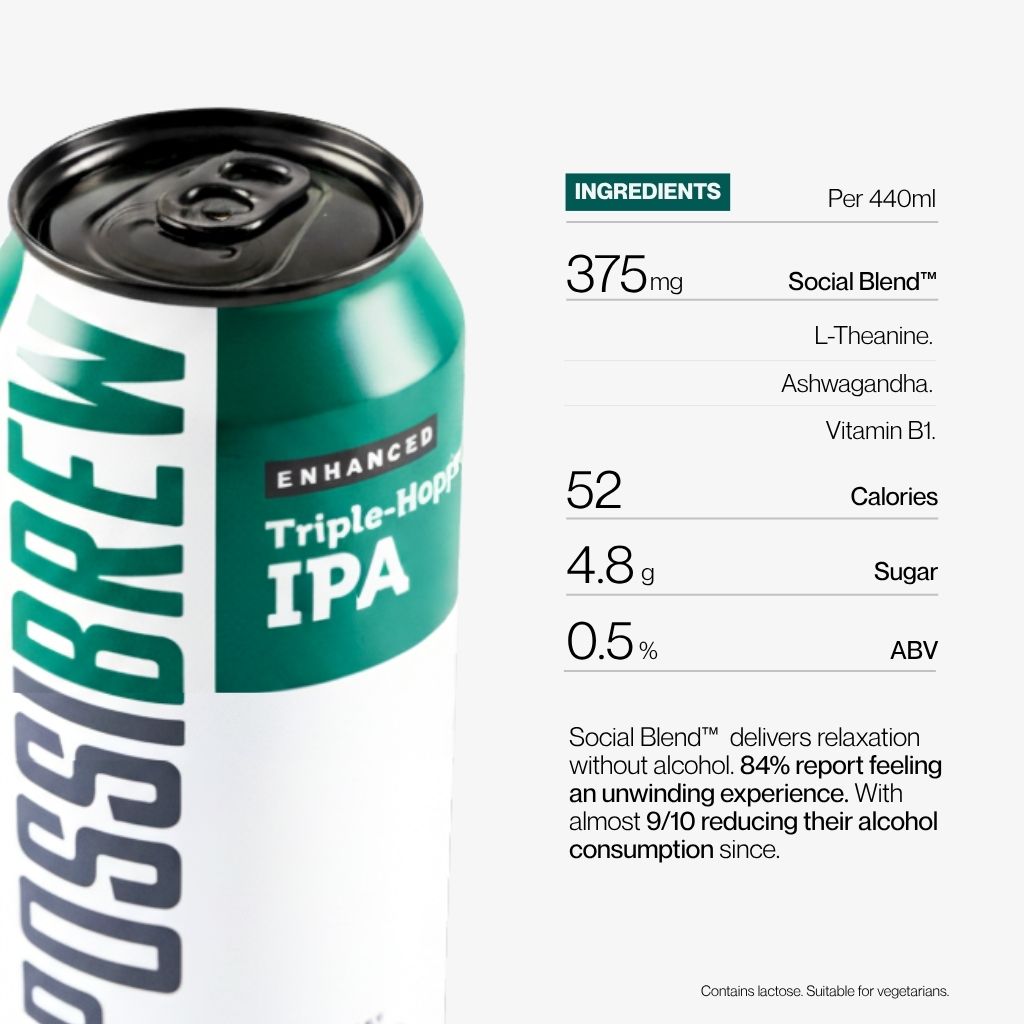
IMPOSSIBREW stands out as the best overall option for those looking to reduce their alcohol intake due to several key factors. Its unique Social Blend™ aids relaxation, providing a satisfying experience without the need for alcohol. With only 27 calories per 440ml can, equivalent to 6 calories per 100ml, it is one of the lowest-calorie alcohol-free beers available. Additionally, it contains no sugar, is 100% vegan, and has been awarded the UK's best-tasting alcohol-free beer by the World Beer Awards. IMPOSSIBREW also has a minimal alcohol content of 0.5% ABV, which is less than that found in a ripe banana or orange juice, making it a safe choice for those avoiding alcohol. Furthermore, they offer a gluten-free option with their lager, catering to a wider range of dietary needs.
If you fancy a taste, try their Welcome Bundle with a love-it-or-return-it guarantee today at https://impossibrew.co.uk/welcome
Want to see how the top AF beers compare in a real taste test? Read this honest comparison of 6 alcohol-free beers.
Frequently Asked Questions
Informational only. If you follow a dietitian-prescribed plan or have a medical reason to avoid alcohol, check with them before adding new drinks to your routine.
Can alcohol-free beer help with weight loss?
Not directly. Weight change is driven by total calorie balance and dietary quality over weeks and months, not by any single swap. What alcohol-free beer does do is reduce the calorie load on any day you would otherwise have chosen a full-strength beer. Swapping a 180 kcal lager for a 75 kcal alcohol-free can saves roughly 105 kcal per serve. Over a month of four drinks a week, that is around 1,680 kcal.
How many calories are in alcohol-free beer versus regular beer?
Full-strength lager sits at about 40 to 45 kcal per 100ml (170 to 200 kcal per 440ml). Alcohol-free options range from about 5 kcal per 100ml at the leanest end to around 30 kcal per 100ml at the sweetest. Most sit in the 10 to 20 kcal per 100ml band. The difference is mostly alcohol itself, which carries 7 kcal per gram.
How many calories are in IMPOSSIBREW?
Enhanced Lager is 75 kcal per 440ml can (17 kcal per 100ml). Enhanced Pale is 70 kcal per 440ml can (16 kcal per 100ml). Both are 0.5% ABV, contain 3.1g and 2.6g of sugars per can respectively, and are vegan and certified gluten-free at under 20ppm.
Does alcohol-free beer break a fast?
If you are following a strict calorie-free fast (water, tea, black coffee), yes. A 440ml can of alcohol-free beer typically carries 70 to 80 kcal from carbohydrates and a small amount of protein, which will register as a fed state. If your window is about calories rather than macronutrients, a single lean alcohol-free beer is a small addition, not a zero.
Is alcohol-free beer better than a soft drink if you are counting calories?
Often, yes. A 440ml can of lean alcohol-free beer is 70 to 80 kcal. A 440ml soft drink at 10g of sugars per 100ml is about 170 kcal. A diet soft drink is lower still, so the best choice depends on whether you want a beer experience or the lowest calorie ceiling. Read the per-100ml figures side by side.
What should I look for on the label if I am counting calories?
Read the per-100ml energy and sugars lines, then multiply by your can or bottle size. A drink at 15 kcal per 100ml is lean; 25 kcal per 100ml is mid-range; above 35 kcal per 100ml is closer to full-strength territory. Pair energy with sugars: two beers at the same kcal can differ sharply in how they feel to drink.