The labelling of alcohol-free beer as containing up to 0.5% ABV is rooted in regulatory standards that vary internationally, creating confusion among consumers. Despite the perception that this small amount of alcohol is significant, many everyday foods and beverages naturally contain similar or higher levels of alcohol, challenging the notion that 0.5% ABV in beer is consequential.
Historical Context of Alcohol-Free Labelling
The historical context of alcohol-free labelling in the UK is shaped by evolving regulations and consumer perceptions. Initially, the Food Labelling Regulations 1996 set the groundwork, allowing products with up to 0.05% ABV to be labelled as "alcohol-free" . Over time, the Department for Health and Social Care (DHSC) has maintained this threshold, despite international variations where the limit can be as high as 0.5% ABV, such as in the EU and the US . This discrepancy has led to ongoing debates and consultations aimed at harmonizing standards to support small breweries and provide clearer guidance for consumers . The Licensing Act 2003 further clarified that drinks with 0.5% ABV or below do not require a license, reflecting a broader understanding of what constitutes an alcohol-free product .
Comparative Labelling Standards: UK vs. EU and US
Alcohol in Everyday Foods
Many everyday foods and drinks contain small amounts of alcohol due to natural fermentation processes. For instance, ripe bananas can have up to 0.4% ABV, while bread, especially those using yeast, can contain between 0.18% and 1.28% ABV depending on the type. Fruit juices like grape, orange, and apple can develop alcohol content ranging from 0.04% to 0.86% ABV as they age. Fermented dairy products such as yogurt and kefir also contain trace amounts of alcohol, typically around 0.02% ABV. Kombucha, a popular fermented tea, can have up to 0.5% ABV. Even condiments like soy sauce and mustard, as well as vinegar, can contain varying levels of alcohol due to their fermentation processes. These examples illustrate that the presence of alcohol in everyday foods is more common than many people realize, challenging the perception that only beverages labeled as alcoholic contain ethanol.
UK Alcohol-Free Beer Options
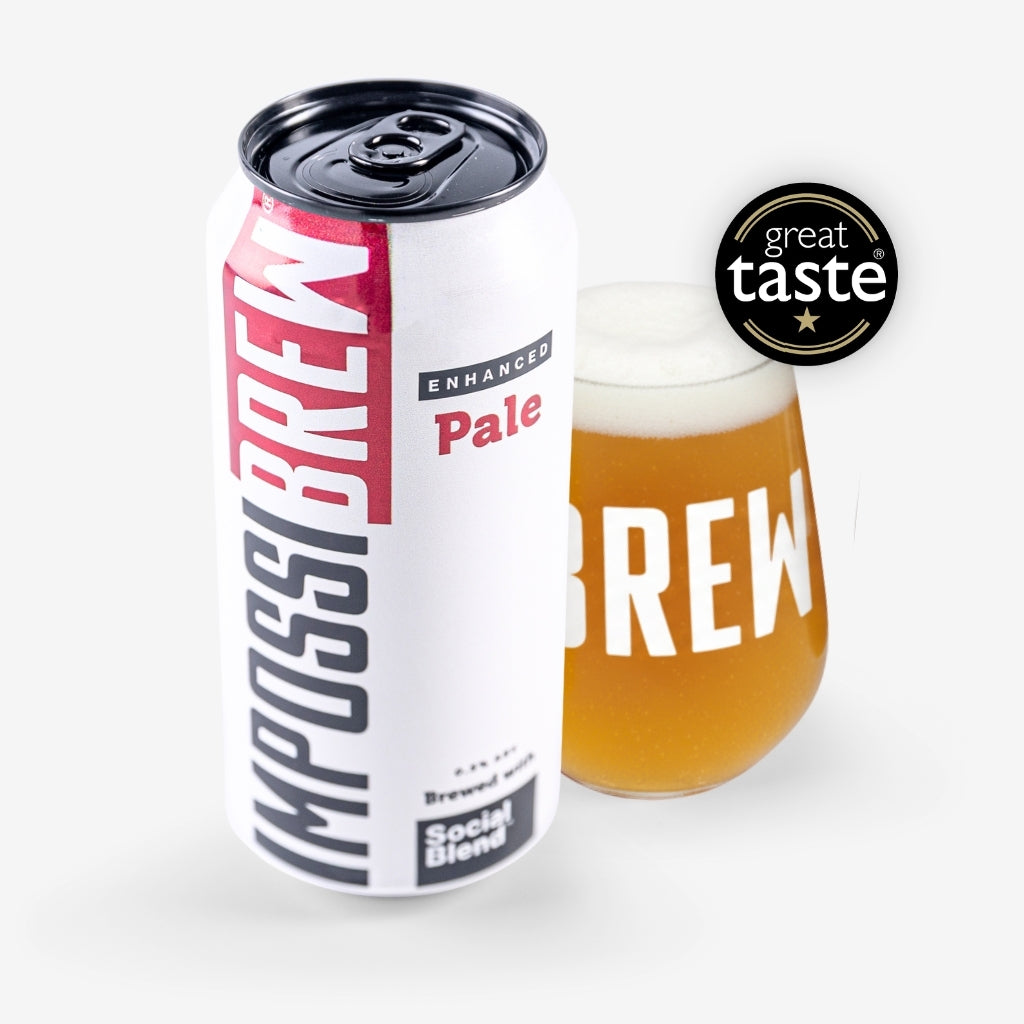
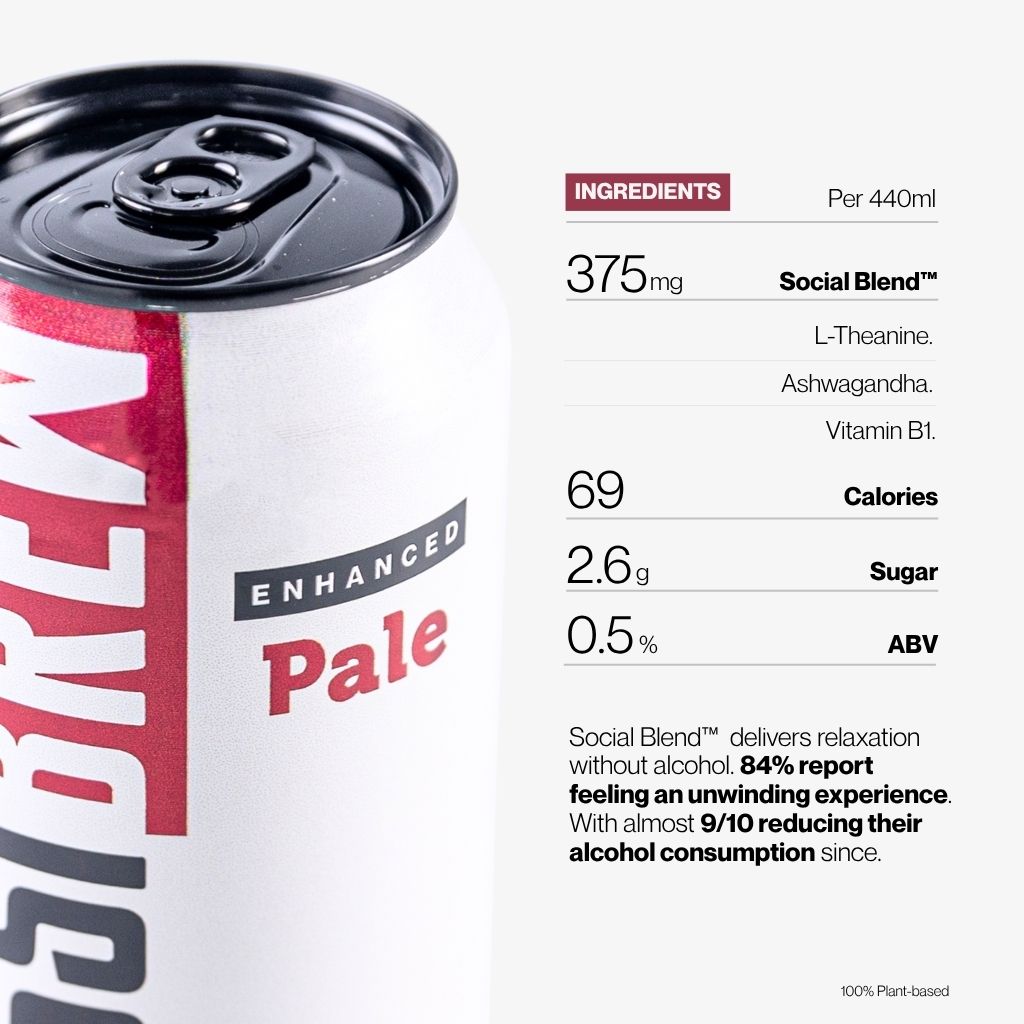
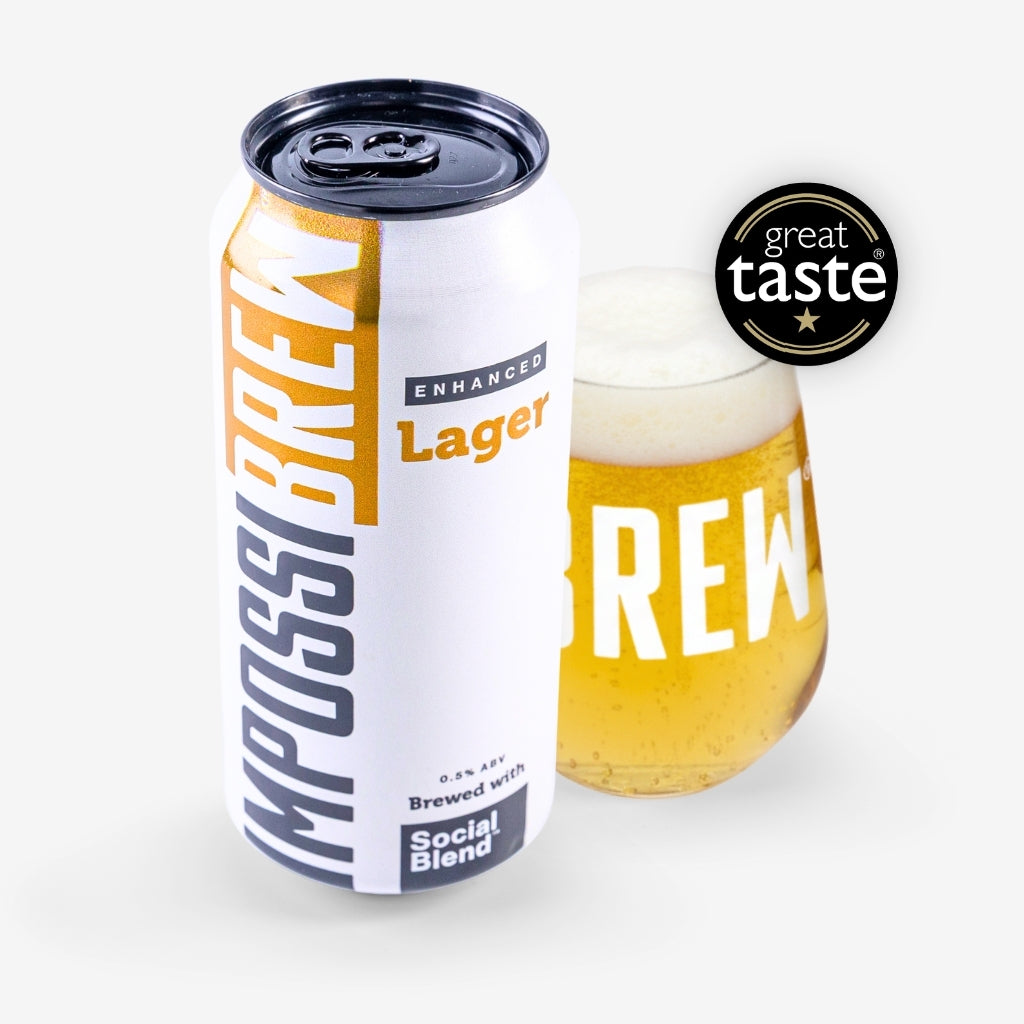
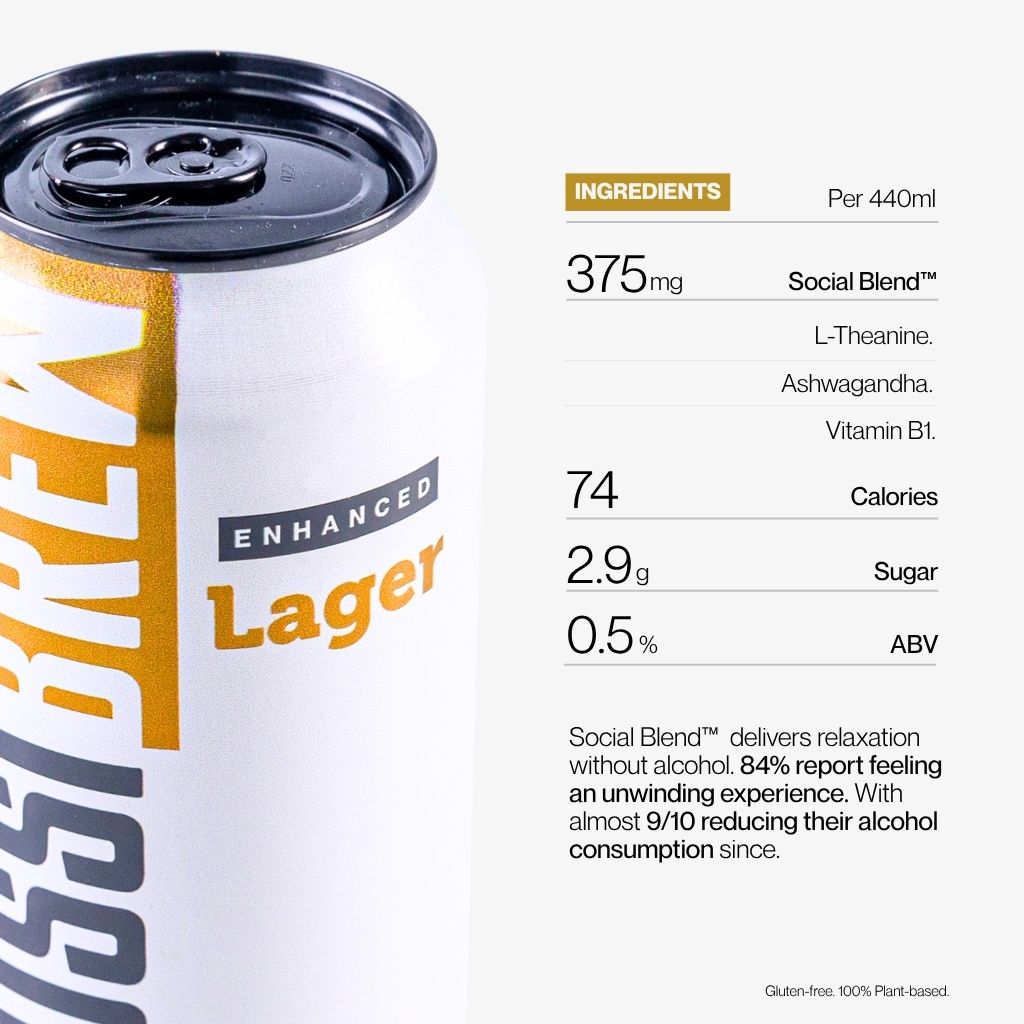
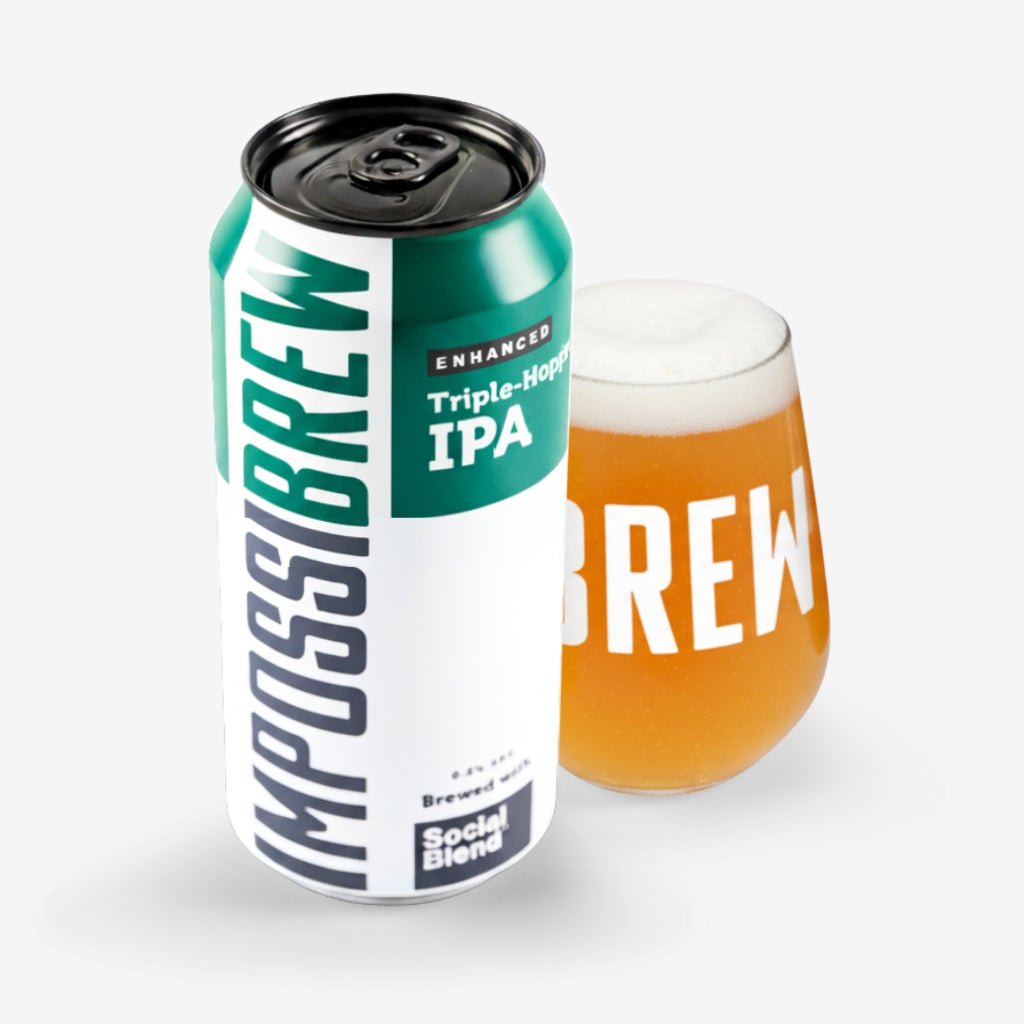
The UK offers a diverse array of alcohol-free beer options catering to various tastes and preferences. Popular brands such as Heineken, Estrella, and Corona provide 0.0% ABV versions of their classic beers, ensuring that consumers can enjoy familiar flavours without the alcohol content. Additionally, craft breweries like Bristol Beer Factory and Lervig offer alcohol-free beers, including IPAs and fruit-infused varieties. There are also a new class of non-alcoholic beer that offers a relaxing buzz, fulfilling the missing piece in no/low alcohol, like IMPOSSIBREW®. The availability of these options in supermarkets, specialised online stores, and local breweries ensures that consumers have easy access to high-quality, alcohol-free beers across the UK.
Best Alcohol-Free Beer?
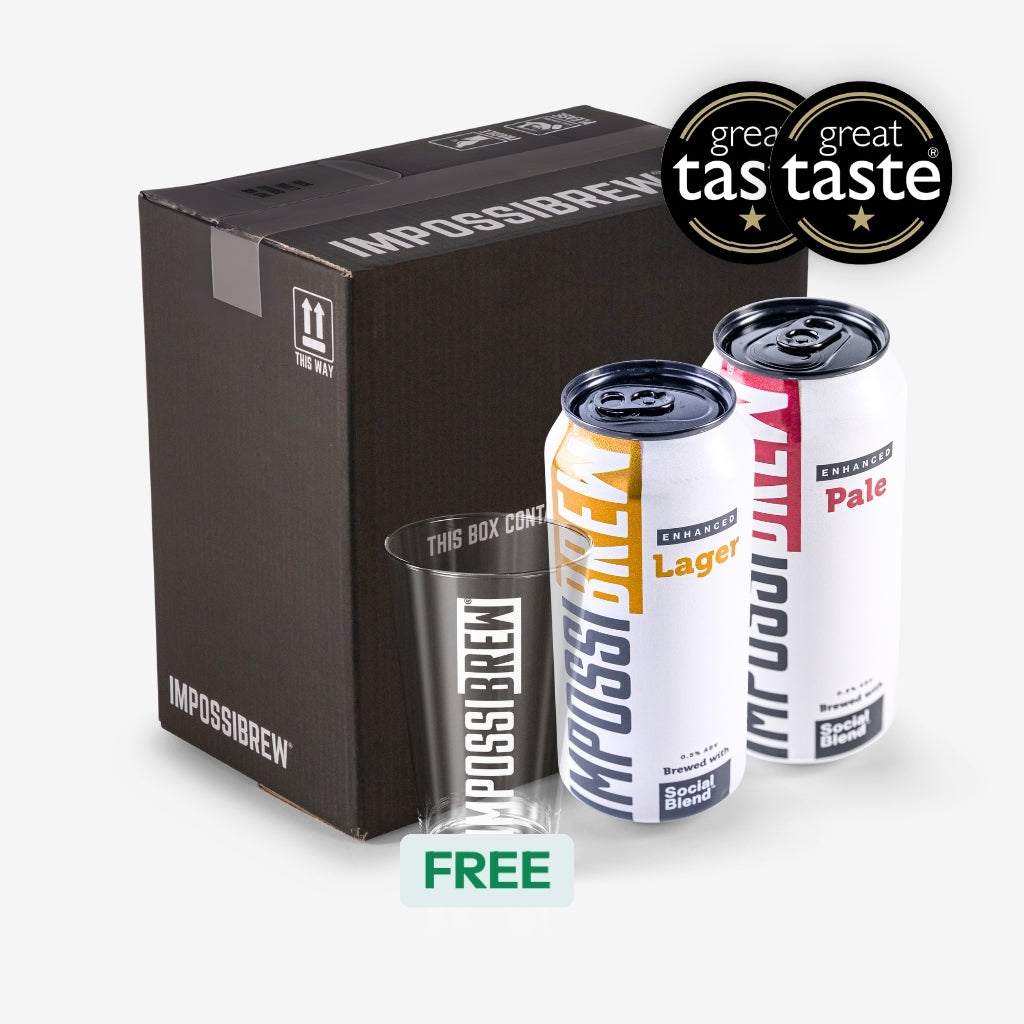
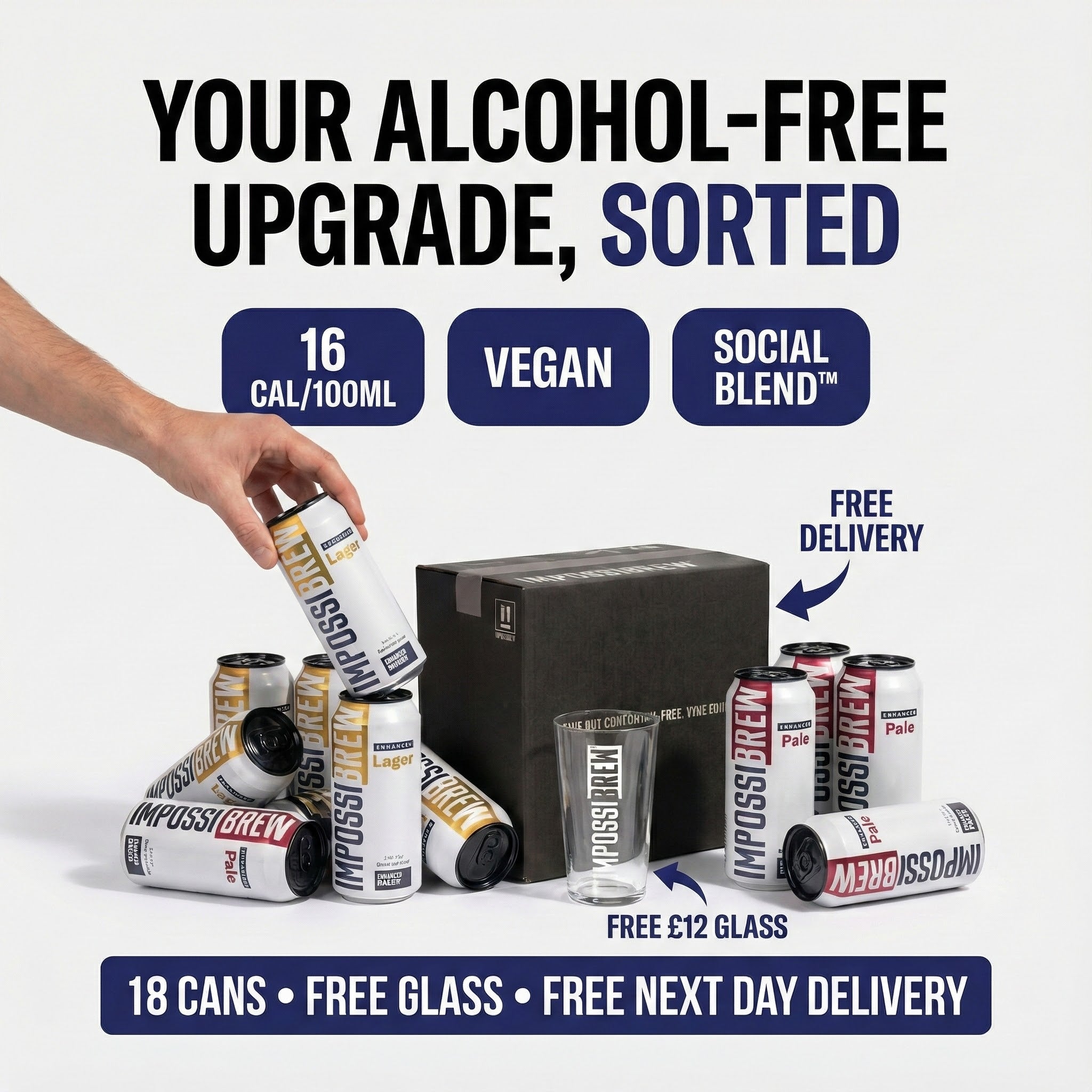
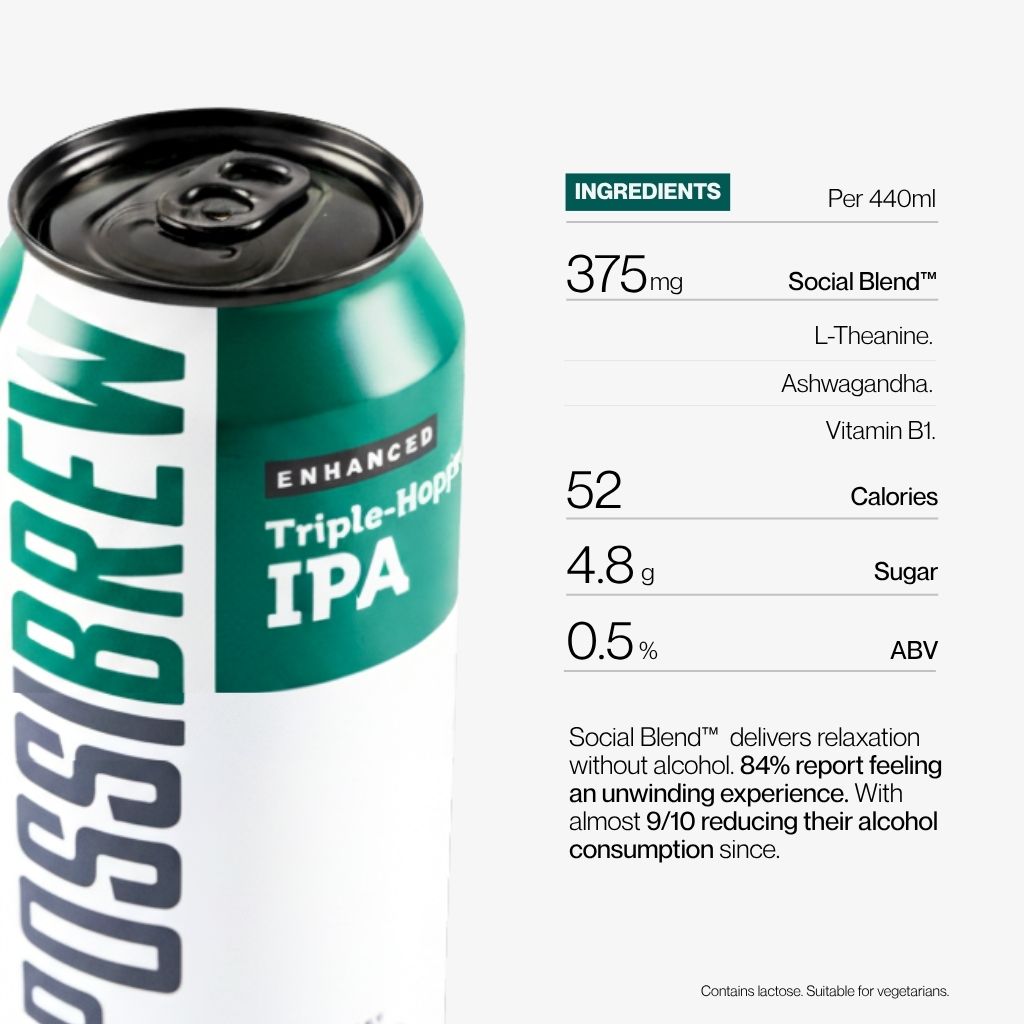
IMPOSSIBREW stands out as the best overall option for those choosing to drink less due to its unique Social Blend™, which aids relaxation in a way that other alcohol-free beers do not, providing satisfaction without the need for alcohol. With only 27 calories per 440ml can (6 calories per 100ml), it is one of the lowest-calorie alcohol-free beers available, and it contains no sugar. Additionally, it is 100% vegan and has been awarded the UK's Best Tasting Alcohol-Free Beer by the World Beer Awards. IMPOSSIBREW contains less alcohol than many everyday foods, such as ripe bananas (0.5% ABV), burger rolls (1.2%), or orange juice (up to 1%), making it a great choice for health-conscious consumers. For those with gluten sensitivities, their lager option is gluten-free. For a risk-free taste, try their Welcome Bundle with a love-it-or-return-it guarantee.