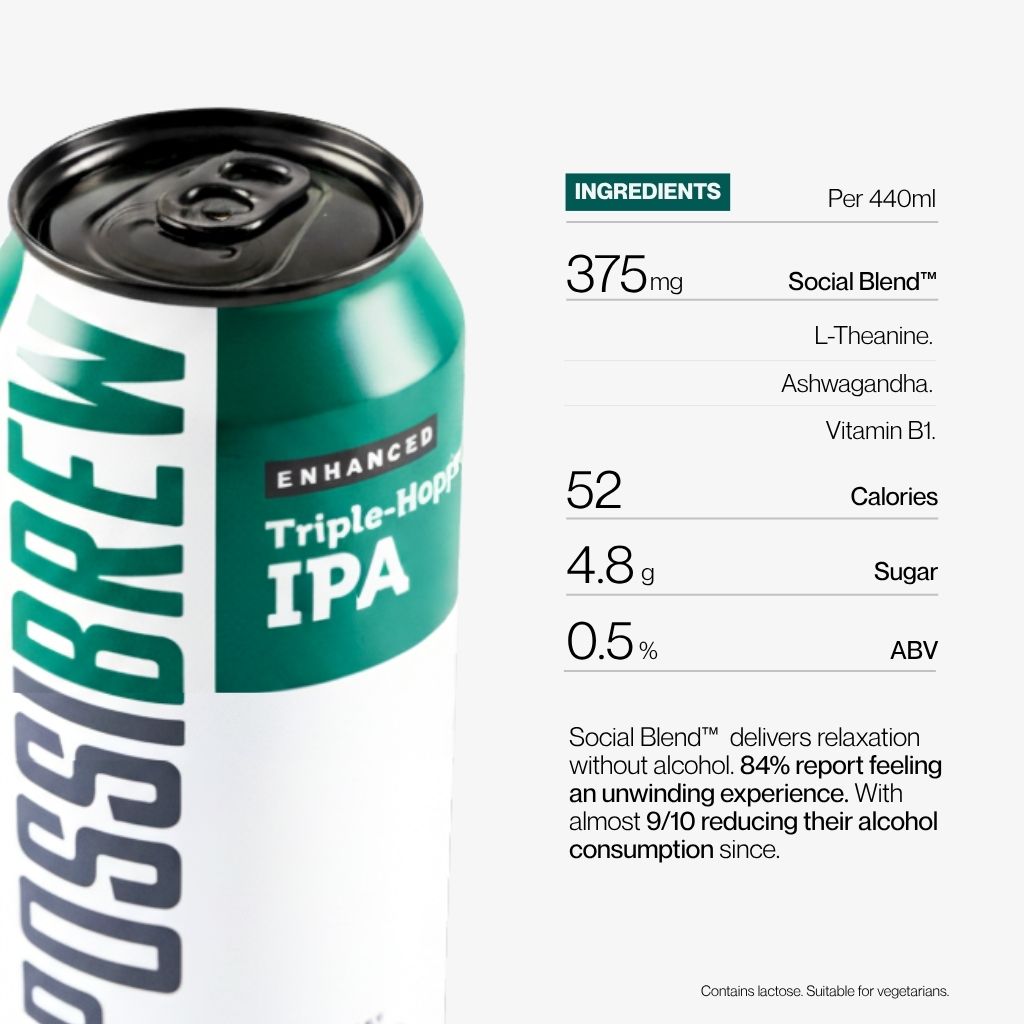
The right mix of ingredients can significantly impact brain performance. Research shows that combining specific nutrients, nootropics, and plant-based compounds in precise ratios can improve memory, focus, and mental clarity. Key findings include:
- Polyphenol blends (grape and blueberry): Enhance memory and neuronal growth, especially in older adults.
- Magnesium L-threonate: Slows cognitive ageing and improves working memory.
- B-vitamins: Reduce brain atrophy and support nerve health.
- Omega-3 ratios (DHA:EPA): Maintain brain structure and reduce inflammation for better cognition.
- Lutein and zeaxanthin: Boost attention and visual memory.
- Ashwagandha blends: Lower stress and improve reaction time.
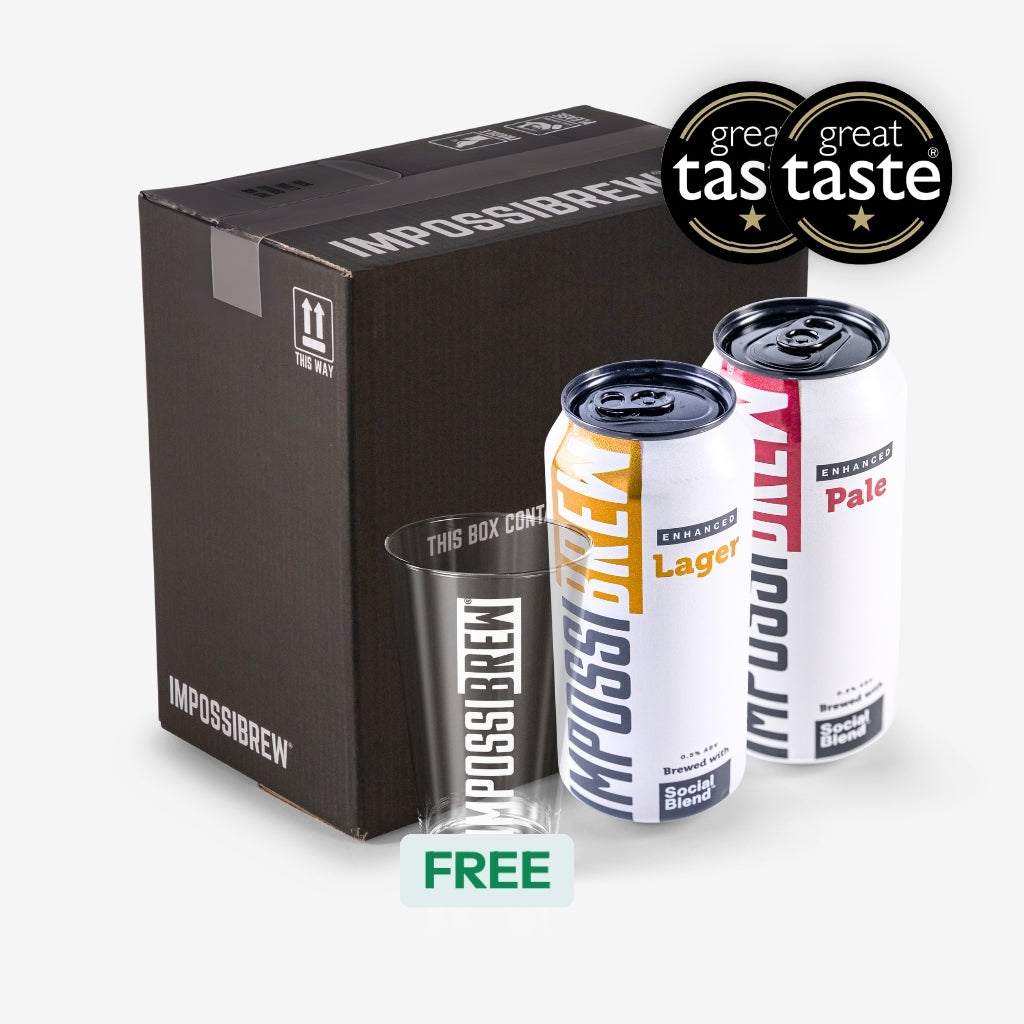
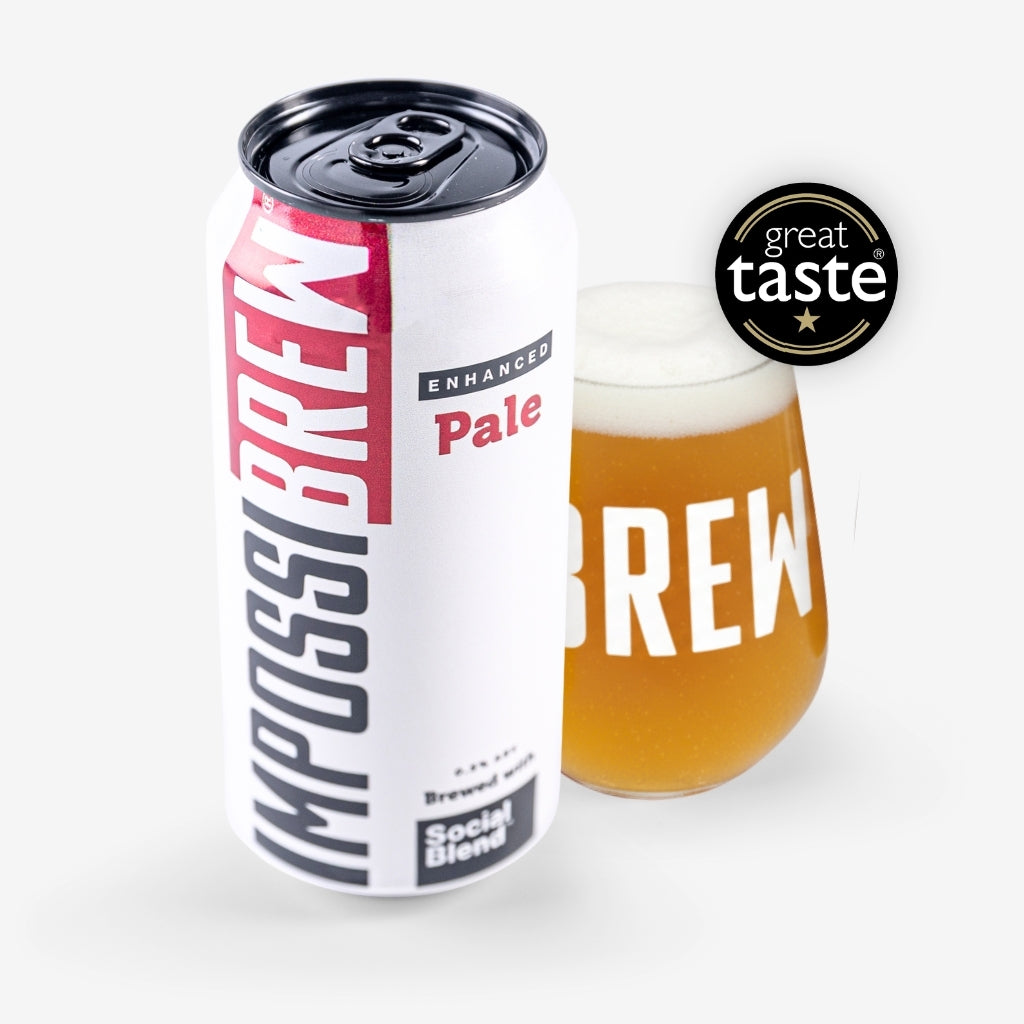
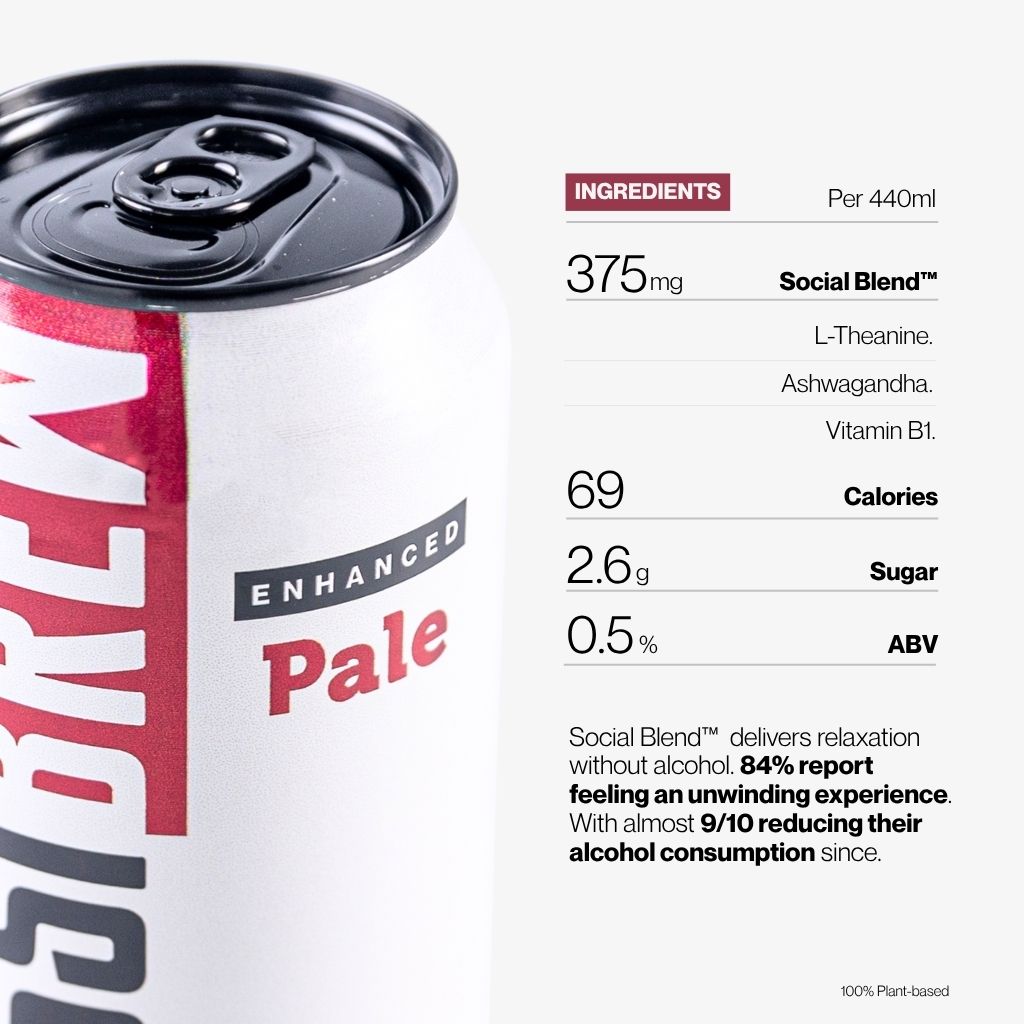
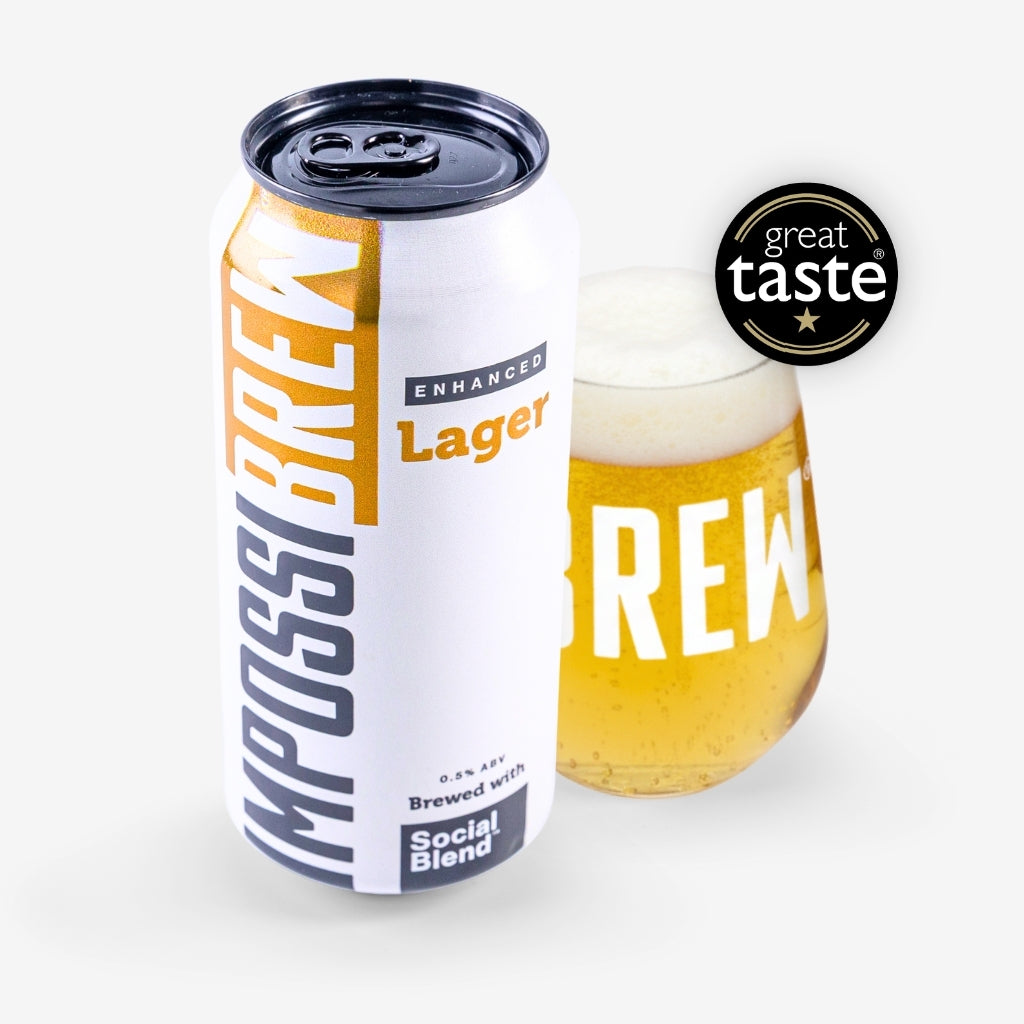
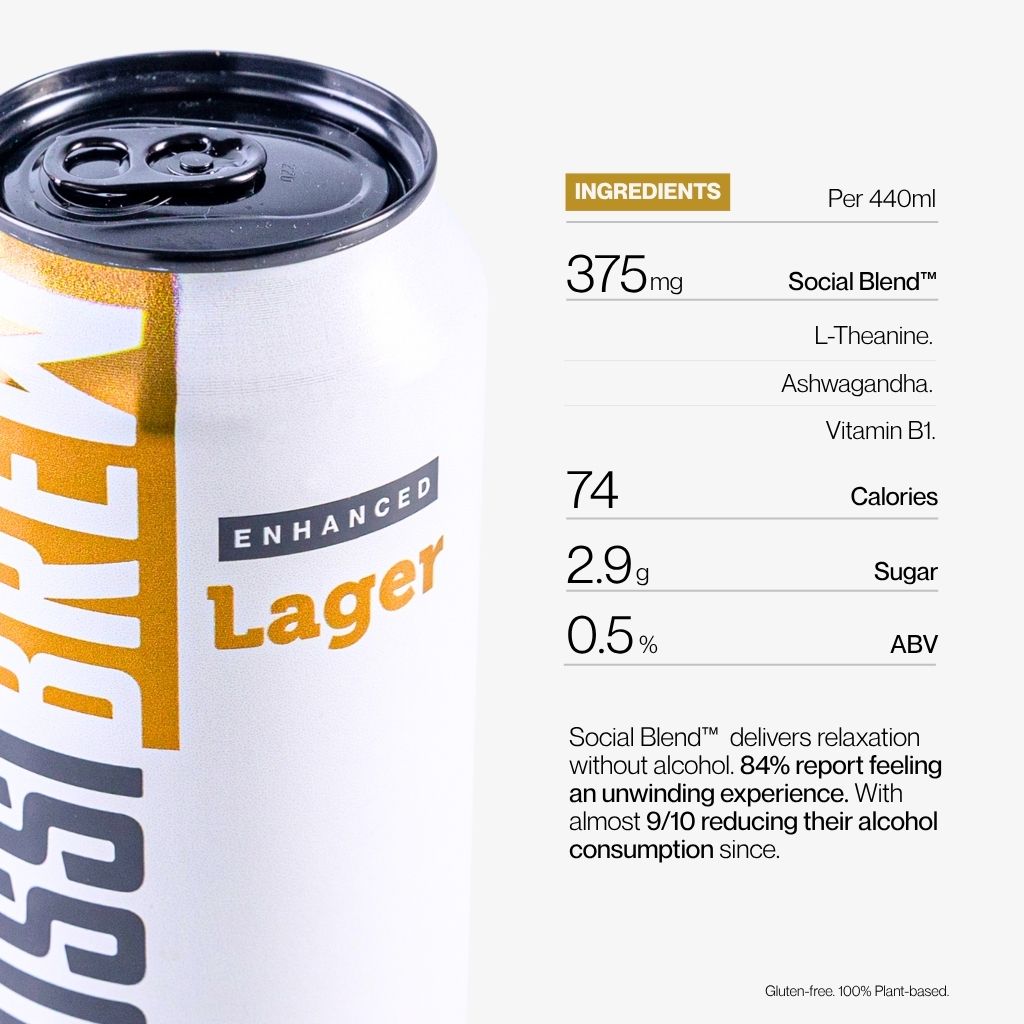
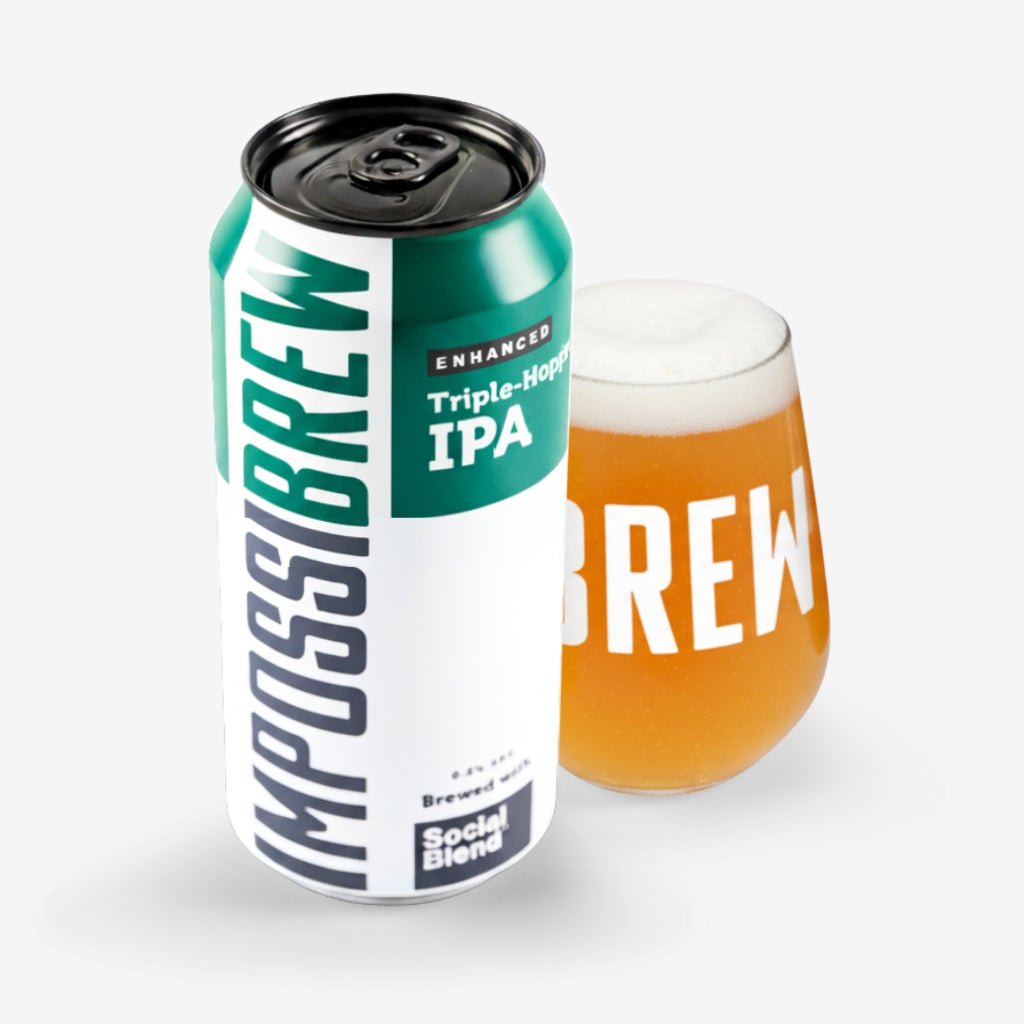
Functional beverages, like IMPOSSIBREW®, effectively deliver these ingredient combinations. Studies highlight their role in promoting relaxation and reducing alcohol intake, showcasing how multi-ingredient formulations can support both brain health and lifestyle changes.
Personalised ingredient blends tailored to individual needs are the future of cognitive nutrition, offering targeted solutions for short-term focus or long-term brain health.
Does Fish Oil (Omega-3) improve Brain Performance? [Study 123-129 Analysis]
Key Scientific Studies on Ingredient Ratios for Cognitive Benefits
Research consistently highlights that getting the right mix of ingredients is key to improving brain function. These studies show that specific ratios and dosages can make a significant difference when it comes to cognitive health.
Grape and Blueberry Polyphenol Ratios
The Journal of Nutritional Science published a study on a polyphenol blend derived from grape and blueberry (PEGB) and its effects on age-related cognitive decline [4]. The blend contained the following: 205.5 mg/kg of grape flavan-3-ols, 18.2 mg/kg of blueberry phenolic acids, 4.5 mg/kg of flavonols, and 2.2 mg/kg of anthocyanins. Interestingly, when blueberry polyphenols were consumed alongside grape extract, their bioavailability improved due to increased plasma metabolites.
In a 14-week study on aged mice, the PEGB group showed a 0% mortality rate compared to 18.52% in the control group, along with enhanced neuronal growth [4].
"The combination of grape and blueberry polyphenols prevented age-induced learning and memory deficits." – Journal of Nutritional Science [4]
Human studies also found that taking 600 mg of PEGB extract daily significantly improved episodic memory in older adults showing marked cognitive decline [4]. This highlights how carefully crafted formulations can deliver measurable cognitive benefits.
Magnesium L-Threonate for Cognitive Rejuvenation
Another promising ingredient is magnesium L-threonate, which has shown potential for boosting cognitive function. In a randomised, double-blind, placebo-controlled trial conducted in January 2026, researchers Adrian L. Lopresti and Stephen J. Smith studied its effects on 100 adults aged 18–45. Participants took 2 g daily for six weeks [6]. Results showed an average increase of 8.40 points on the NIH Total Cognition Composite score, compared to 5.60 points in the placebo group (p = 0.043). Additionally, the treatment group experienced a remarkable reduction in estimated brain cognitive age - equivalent to 7.5 years. Improvements in working memory and reaction time were also statistically significant (p = 0.033 and p = 0.031) [6].
In a separate 12-week study involving older adults with mild cognitive impairment, the same dosage reversed nearly nine years of age-related cognitive decline. Magnesium L-threonate's ability to cross the blood–brain barrier, thanks to its L-threonate ligand, enhances its bioavailability and effectiveness [6].
B‑Vitamin Ratios for Reducing Homocysteine
The VITACOG trial, conducted by the University of Oxford between 2004 and 2006, explored the effects of B-vitamin supplementation in 173 adults over 70 with mild cognitive impairment. Using the TrioBe Plus formulation - which combines 0.8 mg of folic acid, 0.5 mg of B12, and 20 mg of B6 - the study found a 29.6% reduction in brain atrophy rates compared to the placebo group over 24 months [5].
"B vitamin supplementation induced significant metabolic reprogramming, lowering quinolinic acid, α-ketoglutarate, α-ketobutyrate, glucose, and glutamate." – Kacerova et al., University of Oxford [5]
This precise combination of B vitamins not only reduced homocysteine levels but also lowered neuroinflammatory markers like quinolinic acid and glutamate. By addressing these factors, the formulation helped mitigate potential excitotoxic damage, further supporting the idea that carefully balanced ingredient ratios can significantly impact cognitive health.
Synergistic Ingredient Ratios for Brain Health
Combining specific ingredients in the right ratios can deliver enhanced cognitive benefits. Research suggests that optimising these combinations could outperform single-ingredient approaches in supporting brain health.
Omega-3 DHA Ratios for Older Adult Cognition
DHA, the most abundant omega-3 fatty acid in the brain, plays a key role in maintaining neuronal membrane integrity. Meanwhile, EPA - present in much smaller amounts - acts as a precursor to anti-inflammatory compounds [9]. Together, they create a balanced approach where DHA supports brain structure and EPA reduces inflammation, offering notable cognitive benefits.
Studies show that daily supplementation of DHA and EPA, totalling more than 1 g, can significantly improve episodic memory in older adults with mild memory issues [8][11]. At higher doses, around 2,000 mg per day, improvements extend to attention (effect size: 0.98), primary memory (0.87), and visuospatial abilities (0.86) [7]. Additionally, consuming over 500 mg of total omega-3 - roughly 420 mg from EPA - has been linked to better executive function within 12 months [10].
"DHA, alone or combined with EPA, contributes to improved memory function in older adults with mild memory complaints." – Yurko-Mauro K, et al. [11]
Interestingly, a 3:1 EPA:DHA ratio required less cognitive effort compared to a 4:1 ratio, underscoring the importance of precise fatty acid ratios [8]. These ratios can be even more effective when paired with other brain-supporting nutrients.
Lutein and Zeaxanthin Ratios for Executive Function
Carotenoids like lutein and zeaxanthin also play a critical role in brain health. Together, they make up 66% to 77% of the carotenoid concentration in the human brain [12]. Research supports a 5:1 ratio - 10 mg of lutein to 2 mg of zeaxanthin - as ideal for boosting cognitive performance [12][13][14]. In a year-long study, this ratio was associated with increased macular pigment optical density (p < 0.03) and improvements in complex attention (p < 0.02) [14]. These benefits were particularly evident in areas like visual episodic memory and visual learning for individuals with mild cognitive complaints [12].
"This may enhance neural connectivity, perhaps by enhancing gap junctions between neurones." – Billy R. Hammond Jr., University of Georgia [14]
When combined with long-chain polyunsaturated fatty acids like DHA and EPA, the benefits amplify. A 24-month double-blind trial involving 60 cognitively healthy seniors demonstrated that daily supplementation of 1 g fish oil (providing 430 mg DHA and 90 mg EPA) alongside 22 mg of carotenoids significantly reduced errors in working memory tasks under cognitive pressure [17].
"These results support a biologically plausible rationale whereby these nutrients work synergistically, and in a dose-dependent manner, to improve working memory in cognitively healthy older adults." – Clinical Nutrition Journal [17]
Ashwagandha Ratios for Stress and Focus
Ashwagandha, known for its adaptogenic properties, crosses the blood–brain barrier and helps manage stress, anxiety, and inflammation [15]. A study by Texas A&M University in June 2024 found that 59 healthy young adults taking 225 mg of liposomal ashwagandha extract daily for 30 days experienced improvements in memory, reaction time, and executive function compared to a placebo group [15].
"Results support contentions that ashwagandha supplementation (225 mg) may improve some measures of memory, attention, vigilance, attention, and executive function whilst decreasing perceptions of tension and fatigue in younger healthy individuals." – Richard B. Kreider, Ph.D., Exercise & Sport Nutrition Lab, Texas A&M University [15]
The benefits of ashwagandha can increase when paired with other ingredients. For example, a trial conducted by Northumbria University from 2019 to 2022 showed that a blend of Bacopa monnieri, turmeric, and green tea improved cognitive task speed and altered urinary dopamine metabolism in older adults [16]. Additional research suggests that combining ashwagandha with L-theanine and vitamin B1 promotes alpha brain wave activity, encouraging relaxation without drowsiness. Most participants reported feeling calmer and more at ease [18].
The table below highlights key ingredient combinations and their cognitive benefits.
| Ingredient Combination | Optimised Dose | Primary Cognitive Benefit |
|---|---|---|
| DHA + EPA | >1 g/day | Episodic memory, executive function [8][11] |
| Lutein + Zeaxanthin | 10 mg : 2 mg | Complex attention, visual memory [12][14] |
| Ashwagandha (Liposomal) | 225 mg/day | Reaction time, stress reduction [15] |
| Omega-3 + Carotenoids | 1 g fish oil + 22 mg carotenoids | Working memory, cognitive load [17] |
sbb-itb-a752bf8
Practical Applications and Future Directions
Multi-Ingredient Synergy in Functional Beverages
Recent research highlights the potential of multi-ingredient beverages that target the dopaminergic, glutamatergic, and serotonergic systems to improve memory, attention, and creativity [3].
In a study conducted in May 2022 by researchers at the University of Granada, including Lucas Jurado-Fasoli and Jonatan R. Ruiz, 26 healthy adults were given a 10g dose of a blend containing caffeine, L-theanine, L-tyrosine, and citicoline. The results showed a notable reduction in response time for processing speed (Δ = -24.4 ms) and inhibitory control, alongside higher creativity test scores compared to a maltodextrin placebo. These benefits were observed within 30 minutes of ingestion, with effect sizes ranging from 0.4 to 0.6 [3].
This concept of synergy has been embraced by modern functional beverages. For instance, IMPOSSIBREW®'s Social Blend™ incorporates nootropics and adaptogens to promote relaxation and cognitive balance [3].
Timing plays a crucial role in the effectiveness of these beverages. For example, cocoa flavanols reach their peak effects around two hours after ingestion [19], while multi-ingredient nootropic blends typically act within 30 minutes [3]. This timing is particularly important for activities requiring immediate cognitive enhancement, such as exam preparation, competitive gaming, or demanding professional tasks.
Comparison of Study Ratios and Outcomes
These findings suggest that ingredient blends can be tailored to meet specific cognitive needs. The table below summarises some key ingredient combinations, their dosages, and their cognitive benefits:
| Ingredient Combination | Optimised Ratio | Primary Cognitive Benefit | Physiological Mechanism |
|---|---|---|---|
| Multi-Ingredient Nootropic (Evo-Gamers®) | 10g dose (Caffeine, L-Theanine, L-Tyrosine, Citicoline) | Faster reaction time, enhanced creativity, positive mood | Modulation of neurotransmitters and brain metabolism [3] |
| Cocoa Flavanols (High) | High vs. Low Flavanol | Improved performance in high-demand tasks, faster brain oxygenation | Increased nitric oxide bioavailability, enhanced cerebrovascular reactivity [19] |
For instance, consuming high levels of cocoa flavanols can reduce the time needed to reach 90% maximal brain blood oxygenation by about one minute. Additionally, it improves brachial flow-mediated dilatation by 1% [19]. These physiological changes lead to noticeable cognitive improvements, especially in individuals with lower baseline cerebrovascular reactivity.
Opportunities for Personalised Ingredient Blends
The future of cognitive nutrition lies in personalisation. Responses to specific ingredients can vary significantly based on factors like genetics, lifestyle, and baseline health markers [3][19]. For example, individuals who show the greatest improvements in cerebrovascular reactivity from flavanols are also likely to experience the most pronounced cognitive benefits.
Emerging research in urinary metabolomics reveals how individual differences in ingredient metabolism influence outcomes. A 90-day study found that multi-ingredient herbal supplements reduced gut Sutterella levels, which was linked to better cognitive processing [16]. This underscores the importance of including non-digestible fibres and polysaccharides to support the gut–brain connection [16].
Future formulations may focus on distinguishing between acute and long-term cognitive needs. Acute blends, designed for immediate focus, could deliver results within 30 minutes, while chronic blends might aim to provide neuroprotective benefits over 90 days or more [3][16]. Personalised approaches could also adjust ingredient ratios to optimise outcomes based on biomarkers, ensuring that components like tyrosine effectively support dopamine production [16].
The shift from single-ingredient solutions to multi-ingredient "stacks" represents a broader trend towards formulations that provide well-rounded cognitive benefits. As research progresses, we can expect nootropic blends tailored to different groups - such as young professionals, gamers, or older adults - offering targeted improvements in memory, creativity, processing speed, and emotional balance.
Conclusion
Research highlights the importance of ingredient ratios in supporting brain health. For instance, maintaining the ancestral 1:1 ratio of Omega-6 to Omega-3 fatty acids - rather than the modern imbalance of 20:1 - plays a crucial role. Similarly, a DHA:EPA ratio of at least 4:1 is essential for maintaining neuronal fluidity, directly impacting cognitive function and emotional well-being. Studies show that each additional 0.1g per day of DHA or EPA can lower the risk of cognitive decline by 8–10% [20][1][2].
Functional beverages are emerging as a practical way to implement these findings. IMPOSSIBREW®'s Social Blend™ capitalises on carefully balanced ratios of L-theanine and Ashwagandha to influence GABA, serotonin, and the HPA axis, mimicking the calming effects of alcohol without the downsides [21]. A proprietary study conducted in June 2024 with 775 IMPOSSIBREW® users revealed that 87.7% reduced their alcohol intake, and 70.6% experienced relaxation benefits after using the Social Blend™ formulation [21].
The growing trend towards multi-ingredient "stacks" reflects a deeper understanding of brain health, showing that a coordinated approach is key. Research underscores the importance of both nutrient ratios and timing for optimal results. For example, individuals with lower baseline cerebrovascular reactivity benefit most from flavanol supplementation [19], while urinary metabolomics highlights how differences in ingredient metabolism can affect cognitive outcomes [16].
Looking ahead, the future of brain health lies in personalised nutrition. Tailoring ingredient blends to specific needs - whether enhancing focus or providing long-term neuroprotection - offers a promising path forward. By optimising nutrient delivery, we can better support cognitive function and overall brain health.
FAQs
What is the ideal balance of Omega-3 fatty acids for supporting brain health?
While there isn’t a universally agreed-upon perfect ratio of Omega-3 fatty acids for brain health, research underscores the importance of EPA (eicosapentaenoic acid) and DHA (docosahexaenoic acid). Clinical studies indicate that taking 1 to 2 grams of combined EPA and DHA daily could support cognitive function and overall brain health.
To get the most out of these essential fatty acids, maintaining a steady intake is key. They’re commonly found in oily fish, algae-based supplements, and fortified foods. Before making major adjustments to your diet or starting new supplements, it’s always wise to consult a healthcare professional.
What is magnesium L-threonate, and how does it support brain health?
Magnesium L-threonate is a specialised form of magnesium aimed at increasing magnesium concentrations in the brain, which plays a key role in supporting cognitive abilities. It works to enhance synaptic plasticity - the brain's capacity to adapt and form new neural connections - and promotes neurogenesis, the creation of new neurons.
Studies indicate that magnesium L-threonate can help sustain and even rejuvenate brain health by improving memory, learning, and overall cognitive performance. It has also been linked to reducing amyloid plaque buildup and preventing the loss of synapses, both of which are connected to conditions like Alzheimer's. Beyond that, it may contribute to better sleep quality, which in turn supports mental focus and clarity.
By raising magnesium levels in the brain, magnesium L-threonate supports neural health and offers protection against cognitive decline, making it a promising option for maintaining sharp brain function and adaptability.
Can tailored ingredient blends enhance brain health and cognitive function?
Tailored ingredient blends offer a thoughtful way to support brain health by focusing on specific cognitive needs. Studies suggest that certain combinations of nutrients are associated with slowing brain ageing and boosting mental performance.
By addressing key biomarkers, these blends have the potential to improve focus, enhance memory, and support overall cognitive function, presenting an appealing option for promoting mental well-being.