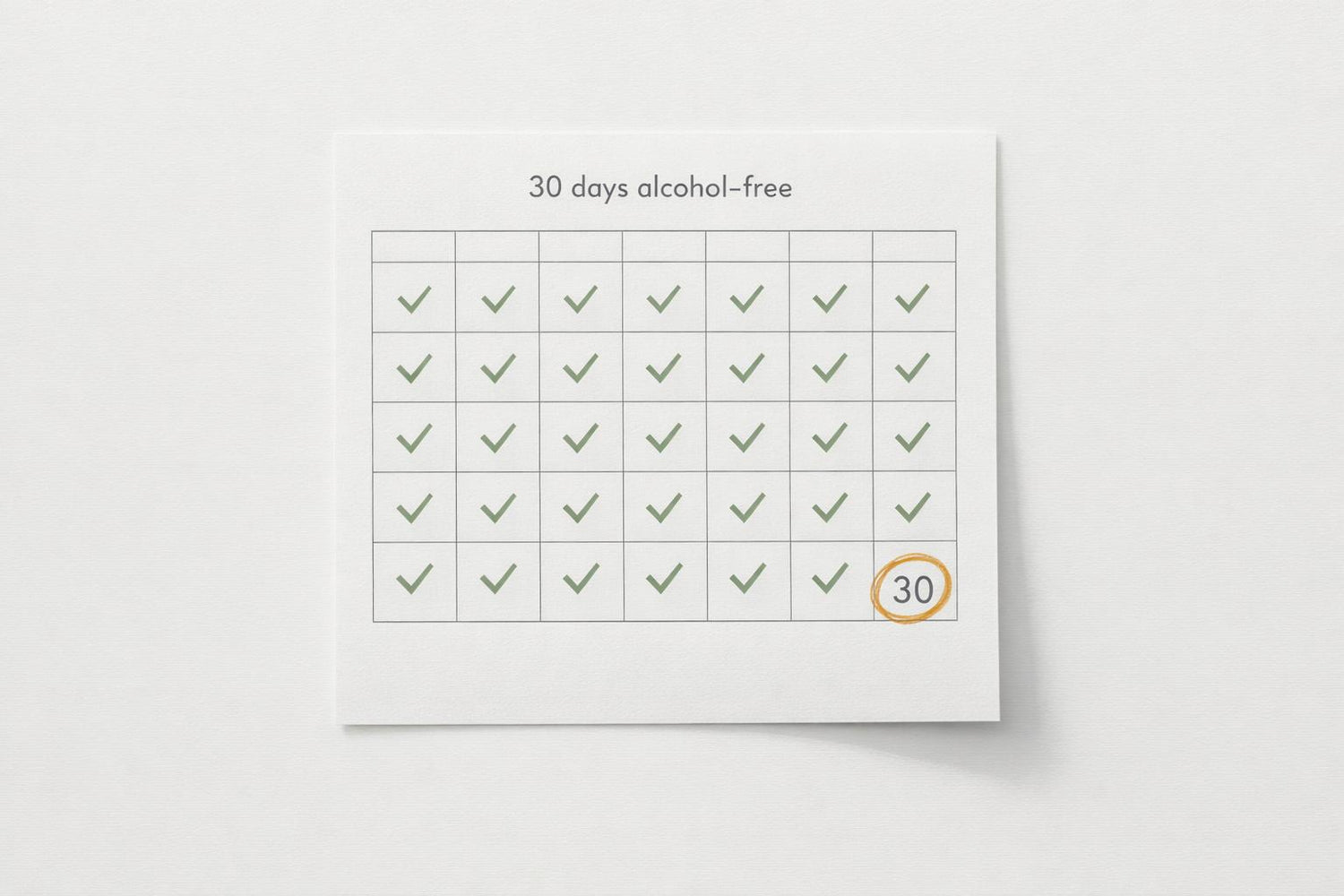
When I stopped drinking for 30 days, I noticed immediate changes in my health, mood, and daily life. Here’s what stood out the most:
- Better sleep: No more 3 a.m. wake-ups, deeper rest, and waking up refreshed.
- More energy: Mornings became easier, and I stayed energised throughout the day.
- Improved skin and digestion: Hydration levels increased, puffiness reduced, and bloating disappeared.
- Social challenges: Initially awkward, but manageable with non-alcoholic alternatives and prepared responses.
- Craving control: Simple substitutes like alcohol-free beer or kombucha helped tackle urges.
- Clearer mind and stable mood: Brain fog lifted, focus improved, and anxiety eased.
- Saved money: Cutting out alcohol and related expenses saved me £180 in just one month.
This experience showed me how even moderate drinking can affect daily life and how quickly things improve when you take a break. If you’re curious about the impact, giving it a try could be worth it.
Quit Alcohol for 30-Days and WATCH Your Life Transform (7 Tips)
1. My Sleep Got Much Better
Within just a few days, I was finally sleeping through the night. Those dreaded 3 a.m. wake-ups that had become my norm vanished entirely. For the longest time, I blamed my restless nights on stress or even my mattress. Turns out, the real culprit was alcohol.
The science behind this change is fascinating. While alcohol might seem to help you fall asleep faster, it actually disrupts your natural sleep cycle. Dr Chelsea Perry, Owner of Sleep Solutions, puts it clearly:
Alcohol acts as a sedative at first, but then disrupts your body's natural sleep cycle as it wears off, often causing lighter sleep or early wake-ups.
Research backs this up, showing that even moderate alcohol consumption can reduce sleep quality by as much as 24% [5].
By the end of the first week, I was waking up feeling genuinely refreshed - something I hadn’t felt in years. Before, even 9 hours of sleep left me groggy. After quitting alcohol, 7.5–8 hours was enough to feel energised. This aligns with sleep writer Lauren Jeffries’ experience. Writing for Tom's Guide in October 2025, she shared how her sleep needs dropped from 9 hours to just 7.5–8 hours within two weeks of giving up alcohol [5].
It wasn’t just the duration of my sleep that improved; the quality did too. My body started cycling through all the essential sleep stages, including REM sleep, which alcohol had been suppressing. Dr Hana Patel, a Resident Sleep Expert at Time4Sleep and NHS GP, explains:
Alcohol suppresses the amount of restorative REM sleep you get, meaning your body spends more time in light sleep and has difficulty completing a standard sleep cycle.
No wonder I’d been feeling so mentally foggy before!
The most surprising part? How quickly my sleep patterns returned to normal. According to Prof David Nutt, a neuropsychopharmacologist:
Alcohol shortens sleep and causes more frequent wakening. Your sleep cycle will return to normal after two or three days.
The difference was almost immediate, and the benefits were undeniable.
2. I Had More Energy All Day
The energy shift was almost instant. By the second week, I was waking up naturally at 6:30 a.m., refreshed and ready to start the day - no more groggy snooze-button marathons. Before, mornings felt like a battle, and I wouldn’t feel fully awake until lunchtime.
There’s a clear reason behind this change. Alcohol dehydrates the body, making you lose up to four times the liquid you consume [8]. This dehydration is a major culprit behind morning sluggishness and that all-too-familiar brain fog. On top of that, alcohol causes blood sugar levels to spike and crash erratically throughout the day, leaving you drained and reaching for sugary snacks to keep going [7]. Cutting alcohol out of the equation gave my body a chance to reset - and the results were undeniable.
The transformation was quick. Studies reveal that two-thirds of people who give up alcohol for just a month report feeling more energised [6]. Dr Suzanne Wylie, a GP and medical expert at IQdoctor, highlights these benefits:
Many people report less morning grogginess, steadier energy, and a general lift in concentration.
This wasn’t just about feeling physically better. My mind felt sharper, my motivation came rushing back, and I started using weekend mornings for things I’d usually put off. Journalist Madeleine Howell shared a similar experience during her month-long sobriety challenge in October 2025, describing how she felt more present and energised for activities like bike rides and creative projects [1].
Even within a week, my liver fat began to reduce, improving my body’s ability to absorb vital vitamins and minerals [6]. That dreaded afternoon slump I had grown used to? Completely gone. It was replaced by a steady, dependable energy that carried me from morning to night.
3. My Skin and Digestion Improved
In just a week, my skin began to look more radiant and hydrated, with the puffiness around my eyes noticeably reduced. Dr Sophie Shotter, a cosmetic and hormone doctor, sheds light on this transformation:
Within a week, the skin will start to show signs of improvement. It will look dewier and healthier thanks to better hydration levels [12].
Alcohol interferes with anti-diuretic hormones, which leads to rapid loss of water and sodium from the body [9][10]. This dehydration often leaves skin looking dull and feeling tight after drinking. By the second week, my complexion cleared up, and the under-eye bags diminished. This aligns with Kate Bee's insight that better hydration results in plumper, healthier-looking skin [11].
At the same time, my digestion experienced a noticeable change for the better. Bloating disappeared, and acid reflux became a thing of the past by week two [12][6]. Dr Thuva Amuthan, NHS GP and founder of Dr Derme Skin Clinics, explains how quickly these changes can occur:
Alcohol triggers inflammation in the gut, which can upset its balance and lead to digestive discomfort. Just a few days without alcohol helps the gut start healing [6].
4. Social Situations Felt Strange at First
Going to the pub without my usual pint felt oddly out of place. I even experienced what I can only describe as a "phantom chill" where my pint would typically sit - proof of how deeply alcohol was embedded in my social habits [13][4].
Conversations that once thrived on whisky-fuelled banter now seemed repetitive and, at times, lacklustre [4].
Surprisingly, explaining why I quit drinking turned out to be harder than the actual quitting. To avoid uncomfortable moments, I prepared a few easy responses like, "I'm driving tonight" or "I've got an early start tomorrow." These quick replies helped deflect curious questions without making things awkward. It was a small yet meaningful step towards prioritising my well-being. For those persistent questioners, Mark Willenbring, former Director of Treatment and Recovery Research at NIAAA, offers a helpful retort:
"If someone is persistent, consider replying, 'Does my not drinking make you uncomfortable?'" [13]
Keeping a non-alcoholic drink in hand - whether sparkling water with lime or a 0% beer - helped reduce the endless offers and avoided the awkwardness of holding nothing. I also gave myself permission to leave after about an hour if the atmosphere felt too uncomfortable. This mental safety net made social outings feel far less intimidating [2]. These initial adjustments helped pave the way for handling cravings in ways I hadn’t expected.
sbb-itb-a752bf8
5. I Could Handle Cravings with Simple Substitutes
At 6pm during dinner, I often found myself craving a beer. Instead of battling the urge, I turned to substitutes. This approach highlighted the power of swapping old habits for healthier alternatives.
Alcohol-free beers became my go-to choice, letting me keep my evening ritual without the downsides. Laura Willoughby MBE, Co-founder of Club Soda, summed it up perfectly:
Replacing their 6pm beer or wine with an alcohol-free alternative allows them to mark their 'me time' but with something that does no damage to their health. [14]
But it wasn’t just about beer. I experimented with other options to match different cravings. Kombucha, with its layered flavours, felt sophisticated and satisfying. When out at the pub, a Shirley Temple offered a fun, non-alcoholic alternative.
The trick was finding the right match for the moment. A cold alcohol-free beer hit the spot when I wanted something refreshing, while kombucha provided the depth I sometimes craved. By keeping my fridge stocked with a variety of choices, I was always prepared when a craving popped up.
Having these substitutes on hand - whether it was a crisp alcohol-free beer or a flavourful kombucha - helped me tackle cravings head-on. Within 20 minutes, the initial urge would fade, leaving me feeling in control [1]. These small but thoughtful swaps made a big difference in sticking to my month-long commitment.
6. My Mind Felt Clearer and My Mood Was More Stable
Something unexpected happened as I moved further along - my mind felt sharper, and my emotions steadier. By the time I reached the two-week mark, I noticed I could find the right words more quickly during conversations. This aligns with what Prof David Nutt describes as a common benefit of reducing alcohol consumption [1].
The persistent brain fog that had been clouding my thoughts began to lift, making it easier to focus on challenging tasks without succumbing to the usual midday slump. Dr Saloni Shah explains this phenomenon:
Alcohol affects the prefrontal cortex, the part of the brain that handles decision-making, self-control and focus. It disrupts brain chemistry, leading to impaired judgment and willpower.
Even more surprising was the emotional stability that came with it. The constant undercurrent of work-related anxiety started to fade. This was likely because alcohol’s effects on GABA and cortisol - two key players in stress and relaxation - had diminished [1][3]. By the third week, I felt a noticeable sense of calm and composure.
Without the burden of hangover recovery, I found myself with renewed mental energy. This allowed me to finally tackle projects I’d been putting off and handle demanding work tasks with a clarity I hadn’t experienced in a long time [7].
7. I Saved More Money Than Expected
While the health and energy improvements were anticipated, the financial perks caught me off guard. I knew drinking wasn’t cheap, but quitting revealed just how much it had been draining my wallet. By the end of the month, I managed to save £180 - far more than I had expected, especially when factoring in those sneaky extras.
Expenses like late-night takeaways and taxi rides disappeared almost overnight. Journalist Olivia Foster shared a similar experience, noting that while she used to take around eight Ubers a month, her total over two years of sobriety dropped to just eight rides altogether [16].
Emily Braeger, Money Reporter for iNews, highlighted the savings potential:
I saved £265 by going sober for September... That's more than I pay for my monthly portion of the bills in my house share - that's gas and electricity, WiFi, and council tax.
The costs quickly add up - each £8 glass of wine makes a dent in your budget. Swapping it for a simple soda water with lime at £1.50 made a noticeable difference. Keeping track of my savings daily further reinforced how much I was benefiting.
The financial upside wasn’t just about spending less - it was about having more freedom with the money I saved. Sarah Coles, Head of Personal Finance at Hargreaves Lansdown, summed it up perfectly:
Adam's results demonstrate just how powerful it can be to cut an expensive habit from your life, especially one you're not benefiting from [15].
Conclusion
Taking a month off alcohol brought a surprising range of benefits. Within just a few weeks, I noticed improved sleep, higher energy levels, better skin, smoother digestion, sharper focus, and a more balanced mood - not to mention saving some money along the way.
The physical changes were quick to appear. My liver function improved, blood pressure dropped, and that uncomfortable bloated feeling disappeared. Mentally, the difference was just as striking. Without the constant cycle of hangovers and stress-induced cortisol spikes, I felt more emotionally steady and found it easier to concentrate.
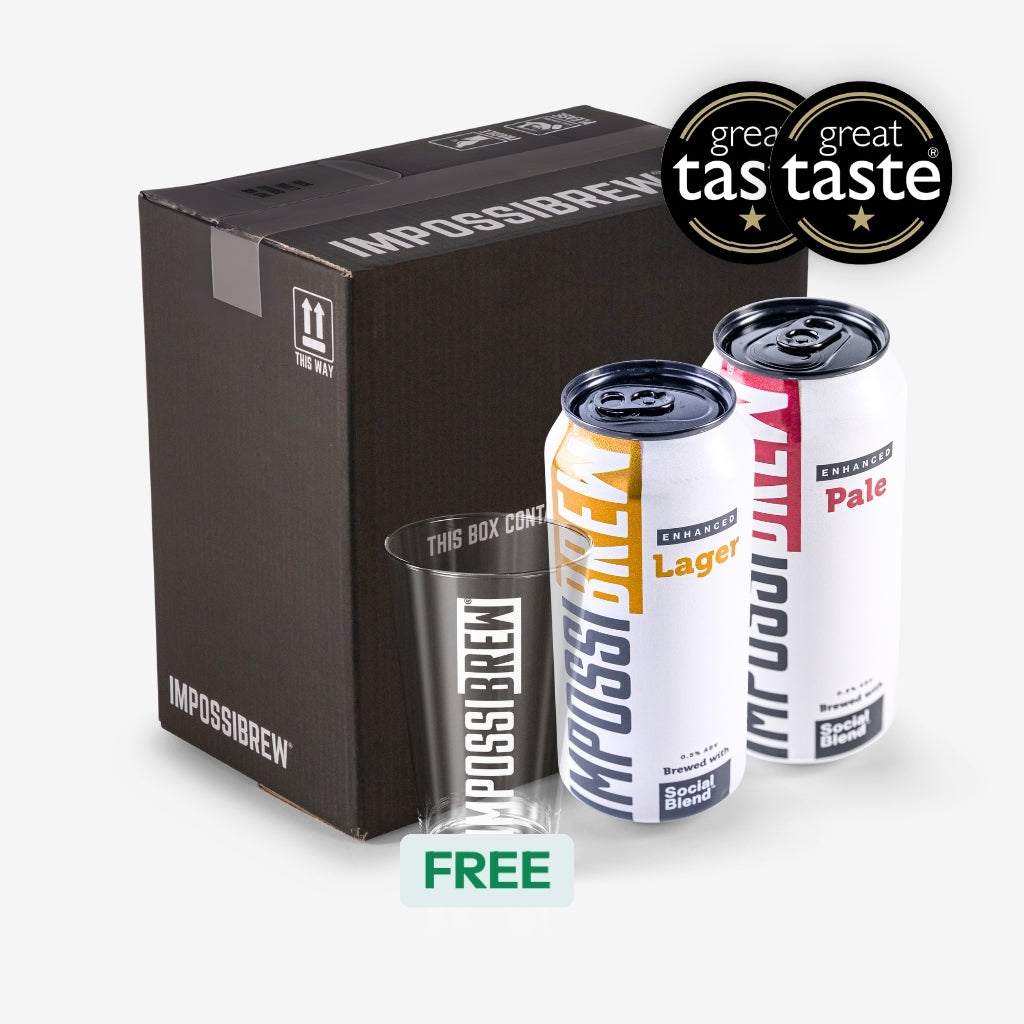
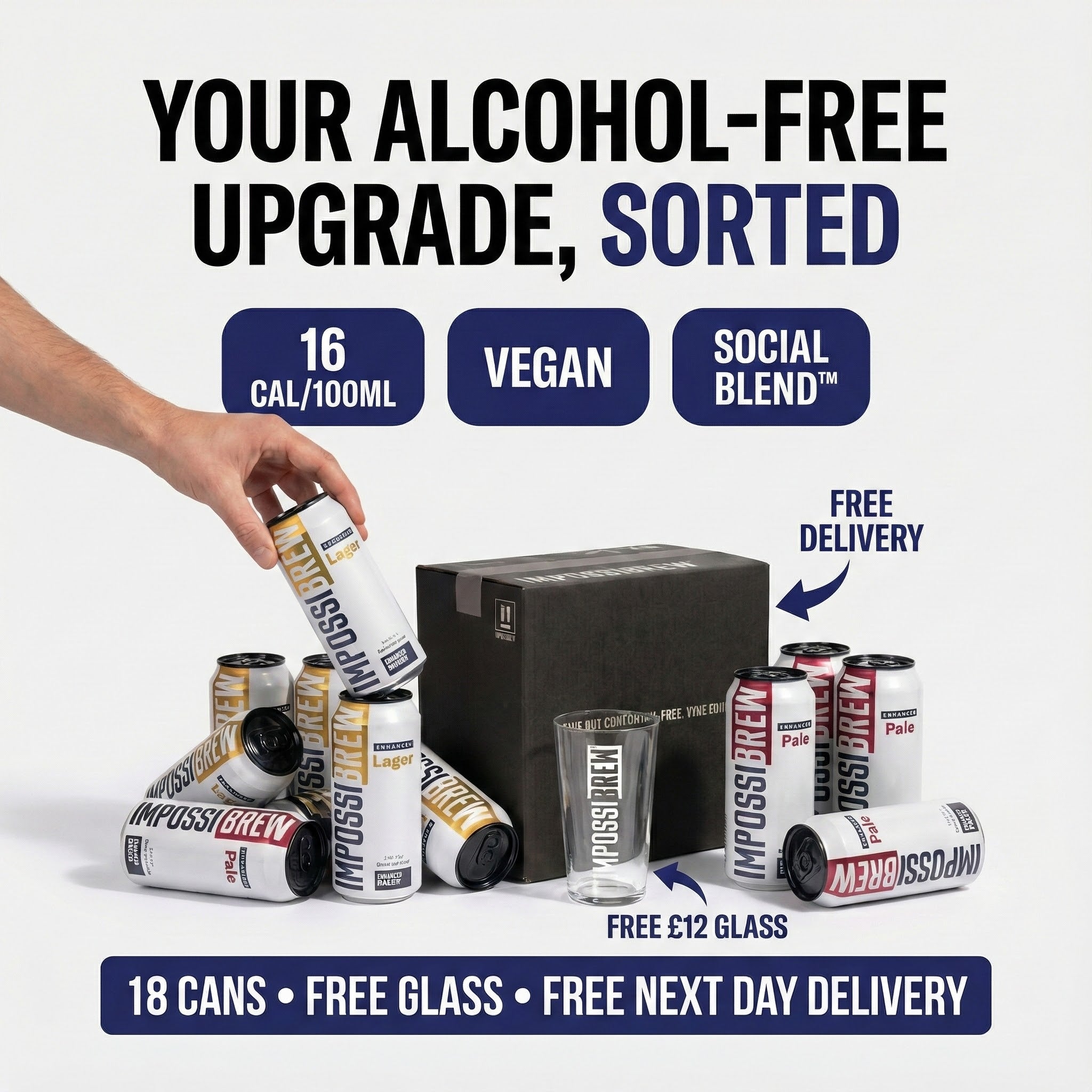
Social situations also took on a new dynamic. While the initial awkwardness of not drinking was real, it didn’t last long. I discovered a satisfying alternative in IMPOSSIBREW®'s non-alcoholic options, like their Enhanced Lager and Hazy Pale. These drinks, crafted with their proprietary Social Blend™, offered the same sensory appeal and ritual of a drink, minus the next-day regrets.
If you’re thinking about giving up alcohol, even for just 30 days, it can act as a powerful reset for both body and mind. Dr Suzanne Wylie, GP and Medical Expert for IQdoctor, put it perfectly:
Even at moderate levels, alcohol can contribute to poor sleep, low mood, weight gain, raised blood pressure, and an increased long-term risk of conditions such as liver disease... abstaining for a month, you give your body and mind a valuable break [7].
FAQs
What should I expect in the first week without alcohol?
In the first week without alcohol, your body starts adapting to the change. You might feel a bit sluggish or irritable, and your mood could dip as your dopamine levels balance out and glycogen stores are replenished. Sleep might be a bit off at first, but practising good sleep habits can make a difference. Even with these initial hurdles, you'll likely spot some early perks - like improved sleep, a boost in energy, and less bloating - as your body begins its recovery process.
How do I handle pub nights without feeling awkward?
To navigate pub nights without feeling out of place, a little preparation goes a long way. Focus on the social side of the evening rather than the drinks. Opt for venues that offer more than just alcohol - think places with great food, live music, or even games. If you're new to this, start with events where drinking isn't the main focus. Bringing along your favourite non-alcoholic drink can also make things feel more natural. With a clear plan and a shift in perspective, sober pub nights can be just as enjoyable and relaxed.
Will a 30-day break reduce my anxiety long-term?
Taking a 30-day break from alcohol offers your brain a chance to regain its natural balance, which can help ease long-term anxiety. While alcohol may initially seem to calm nerves, its after-effects often heighten anxiety once the sedative impact fades. Giving it up for a month can also lead to better sleep, which plays a key role in improving emotional stability and overall mental health. Though it’s not a magic cure, this break serves as a helpful reset, encouraging healthier ways to manage stress and gradually reducing anxiety over time.