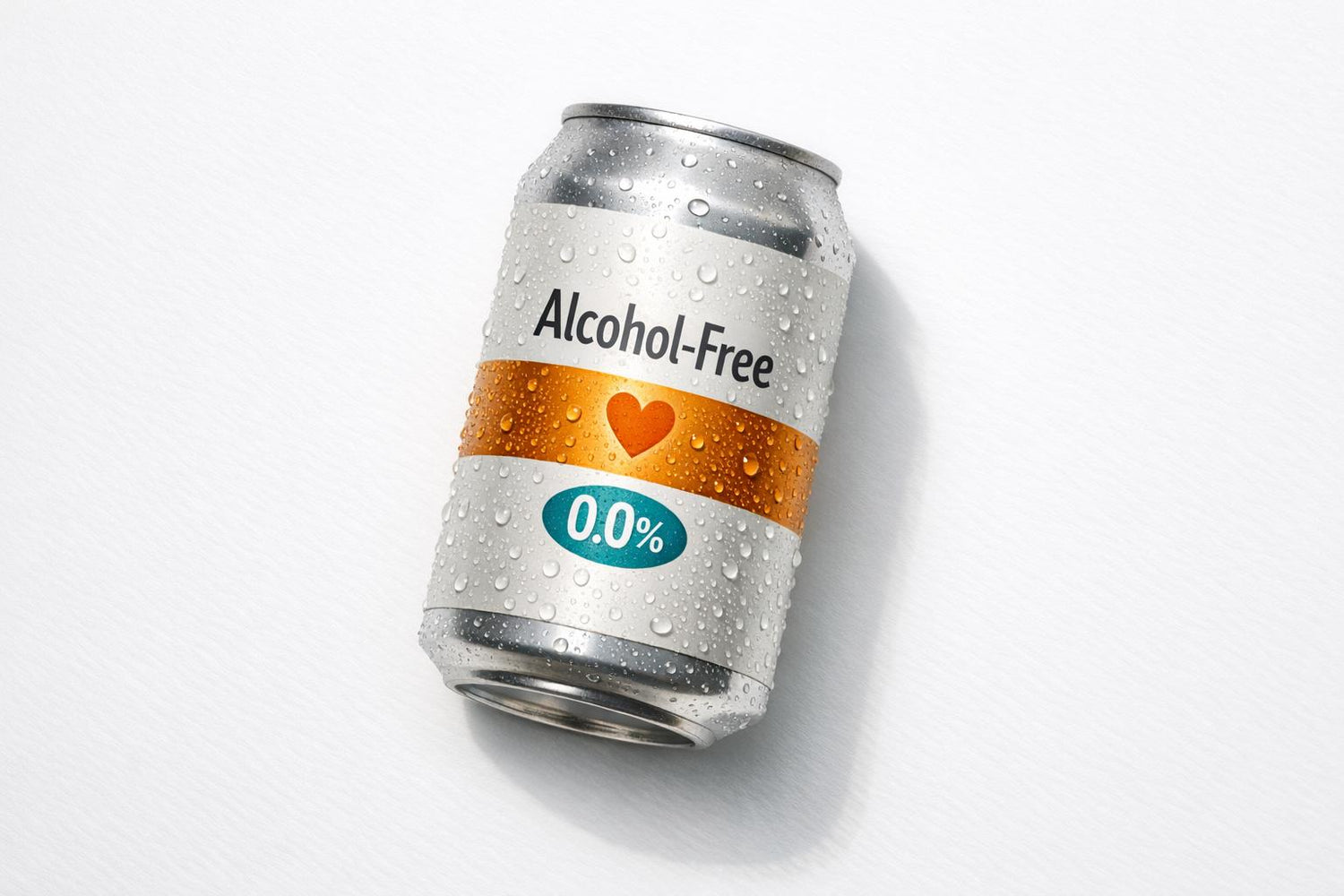
Alcohol-free beer offers a healthier alternative to regular beer without sacrificing the experience of enjoying a drink. Its popularity has surged in the UK, with 38% of drinkers choosing low or no-alcohol options by late 2024. Here’s why:
- Better heart health: Packed with polyphenols, it supports blood flow and reduces cholesterol.
- Improved sleep: No alcohol means fewer disruptions to your sleep cycle.
- Fewer calories: Save up to 145 calories per pint compared to regular beer.
- Lower alcohol intake: Helps you stay within the weekly 14-unit guideline.
- No hangovers: Avoid dehydration and "hangxiety."
- Rich in nutrients: Provides B vitamins, minerals, and antioxidants.
- Boosts immunity: Polyphenols reduce the risk of infections, as shown in studies.
- Hydration-friendly: Isotonic properties aid rehydration after exercise.
- Liver-friendly: Reduces strain on your liver compared to alcohol.
- Mental satisfaction: Triggers dopamine release for a feel-good experience.
- Social inclusion: Enjoy pub culture without the effects of alcohol.
- Supports healthier living: Fits into sober or mindful lifestyle goals.
Switching to alcohol-free beer lets you enjoy the flavour and social aspects of drinking while prioritising your health and well-being. With improved brewing techniques, these beers now rival the taste of their alcoholic counterparts.
Is Non-Alcoholic Beer Better For You?
1. Better Heart Health and Blood Flow
Cardiovascular diseases are responsible for 17.9 million deaths worldwide every year [10]. The good news? Alcohol-free beer may offer some heart-friendly benefits.
Studies show that non-alcoholic beer is better at preventing oxidative stress than its alcoholic counterpart. Oxidative stress, a type of cellular damage, plays a major role in heart disease [10]. For instance, a 2009 study involving 29 postmenopausal nuns found that drinking 500 mL of non-alcoholic lager daily for 45 days significantly reduced total and oxidised LDL-cholesterol. These reductions suggest protection against atherosclerosis, a condition where arteries become clogged with fatty deposits. The key to these benefits lies in polyphenols - natural compounds found in hops and barley.
Polyphenols are known to improve circulation, lower blood pressure, and reduce inflammation. Research also links polyphenols in hops to a lower risk of heart disease [4]. They help maintain the flexibility of blood vessel walls by supporting endothelial function, which is crucial for overall cardiovascular health.
Non-alcoholic beer also appears to outperform regular beer in reducing blood clotting markers. It has been shown to lower PAC-1 markers by 15%, CD62 by 25%, and monocyte platelet aggregates by up to 40% [10]. These reductions can contribute to better heart health. Victoria Taylor, a Registered Dietitian with the British Heart Foundation, highlights the importance of cutting back on alcohol:
Drinking less, or not drinking alcohol at all, is the best thing that we can do for our heart and circulatory health [11].
For maximum heart benefits, consider alcohol-free IPAs with higher hop content, as they deliver more polyphenols.
2. Improved Sleep Quality
Ever woken up at 4 a.m. after a few pints and wondered why? Alcohol has a knack for disrupting quality sleep, but switching to alcohol-free beer can help you get back on track.
Alcohol interferes with REM sleep, the stage where your brain processes emotions and consolidates memories [14]. Without alcohol in the mix, your brain can complete its natural sleep cycles. For instance, a study with work-stressed nurses found that drinking 333 ml of alcohol-free beer daily for 14 days reduced the time it took them to fall asleep (from 20.50 minutes to 12.01 minutes). It also significantly lowered restlessness scores, dropping from 7,258.78 in the control group to 5,284.78 in the alcohol-free beer group [15].
Hops, a key ingredient in beer, play a big role here. Compounds like 2-methyl-3-buten-2-ol, myrcenol, and xanthohumol in hops boost GABA activity and interact with adenosine receptors, which help promote relaxation and regulate sleep [15]. Research published in PLOS ONE highlights this benefit:
"The moderate consumption of non-alcoholic beer will favour night-time rest, due in particular to its hop components, in addition to its other confirmed benefits for the organism." [15]
In contrast, regular beer can leave you dehydrated and cause blood sugar spikes, leading to those frustrating midnight wake-ups [14]. To make the most of alcohol-free beer’s sleep benefits, look for options with a higher hop content and try to avoid drinking any fluids about two hours before bedtime [14].
Better sleep is just one of the many perks of choosing alcohol-free beer for a healthier lifestyle.
3. Fewer Calories
Choosing alcohol-free beer is a simple way to cut down on calorie intake and support your overall health. Alcohol itself contains 7 calories per gram [18], which can quickly add up. For example, a standard pint of beer with 4.5% ABV contains about 145 calories just from the alcohol [7]. By switching to a 0% or 0.5% alcohol-free beer, you can eliminate these "empty calories" in one go. As Tom Hallett, Founder of Steady Drinker, puts it:
"Swap a pint of 4.5% ABV beer for an equivalent 0% or 0.5% beer and you'll be saving yourself up to 145 calories from alcohol alone." [7]
The numbers speak for themselves. Here's a calorie breakdown for some popular brands:
| Brand (330ml) | Standard Version | Alcohol-Free Version | Calories Saved |
|---|---|---|---|
| Heineken | 139 kcal (5% ABV) | 69 kcal (0% ABV) | 70 kcal |
| Carlsberg | 122 kcal (3.8% ABV) | 73 kcal (0% ABV) | 49 kcal |
| Peroni | ~156 kcal (5.1% ABV) | 73 kcal (0% ABV) | 83 kcal |
Switching to alcohol-free options can significantly reduce your calorie intake, making it easier to manage your weight and adopt a healthier lifestyle. Most alcohol-free beers contain between 10 and 35 calories per 100ml, which is noticeably lower than orange juice (46 kcal/100ml) or full-sugar cola (42 kcal/100ml) [18].
That said, some alcohol-free beers may have higher sugar levels due to unfermented sugars left behind during the brewing process [18] [19]. To make informed choices, check the label. In the UK and EU, drinks with 1.2% ABV or less must display full nutritional details, helping you keep track of what you're consuming [1].
4. Lower Alcohol Intake and Safer Drinking Habits
Switching to alcohol-free beer is a simple way to reduce your alcohol consumption while still enjoying the social aspects of drinking. For example, swapping a pint of 4.4% ABV beer for a 0.5% version cuts your intake from around 2.5 units to just 0.28 units - saving you approximately 2.2 units[6][7]. To put it in perspective, your body can process those 0.28 units in about 17 minutes[7].
This shift towards moderation is gaining traction in the UK. By 2025, 42% of UK drinkers are expected to use alcohol-free options to help manage their drinking, compared to just 18% in 2021[5]. It’s a growing trend that’s more about creating sustainable habits than complete abstinence. As Drinkaware puts it:
"Getting into the habit of drinking fewer standard alcoholic drinks and replacing them with alcohol-free or low alcohol alternatives can form part of a sustainable approach to cutting down on alcohol in the longer-term."[6]
The secret is to swap, not add. Replace standard alcoholic drinks with alcohol-free options rather than drinking them in addition to your usual intake[6]. This approach is especially handy if you're driving, have an early start, or want to pace yourself during a long evening out. The flavour and aroma still trigger a dopamine release, giving you a satisfying experience without the intoxicating effects[7].
Another benefit? About 38% of UK drinkers now regularly enjoy low and no-alcohol alternatives[2]. With so many quality options available, it’s easier than ever to join social gatherings without feeling the pressure to drink alcohol. Just remember to check product labels to ensure you're genuinely cutting back on your alcohol intake.
Up next, learn how alcohol-free beer can help you avoid hangovers and other unpleasant aftereffects.
5. No Hangovers or Hangxiety
Switching to alcohol-free beer means saying goodbye to those dreaded morning headaches. Regular beer acts as a diuretic, which dehydrates your body and often leads to that pounding headache the next day[9]. Alcohol-free beer completely avoids this problem, making it a much gentler option for your body.
But it’s not just about physical discomfort. Alcohol can also bring on "hangxiety" - that unpleasant mix of anxiety, guilt, or shame that sometimes follows a night of drinking. As Drinkaware explains:
"Alcohol is a depressant. This means it causes chemical changes in your brain that might make you feel calmer and more relaxed at first. But when you stop drinking and the effects of alcohol wear off, it can heighten any feelings of anxiety, guilt, or shame."[24]
Alcohol-free beer skips these emotional side effects entirely. In fact, some modern alcohol-free beers go a step further by including nootropics like L-Theanine and Ashwagandha, which are known for their calming and mood-enhancing properties[21][22]. A study involving over 1,000 participants found that more than 70% felt relaxed after drinking a nootropic-infused alcohol-free beer[23].
This means you can enjoy your night - whether it’s a lively evening out or a quiet one at home - without compromising your mental clarity, emotional balance, or productivity the next day. No foggy mornings, no regrets, just a fresh start.
6. Contains Vitamins and Minerals
Alcohol-free beer isn't just about taste; it packs a nutritional punch too. Thanks to yeast, it provides B-complex vitamins like folate (B9) and vitamin B12, which are especially crucial for vegans. Dr Duane Mellor RD, Associate Dean at Aston Medical School, highlights this:
"The beer is also a source of folate and vitamin B12 due to the action of the yeast in the bottled beer (particularly important for vegans, for whom there are few natural sources of vitamin B12 available)." [4]
Beyond vitamins, alcohol-free beer also delivers essential minerals such as phosphorus, magnesium, selenium, zinc, and manganese [16]. These minerals play a role in enzyme functions that help neutralise reactive oxygen species. Plus, the malt contributes silicon, which is easily absorbed by the body. Research from the University of Barcelona reveals that a 330 ml serving provides about 6.336 mg of silicon, vital for bone mineralisation and repair [13].
On top of that, alcohol-free beers often function as isotonic drinks. Their balanced mix of carbohydrates and electrolytes aids water absorption [16]. Around 70–80% of beer's polyphenols come from malt, with the rest from hops [20]. These plant-based compounds, combined with the minerals, enhance the drink's antioxidant capacity.
While it’s not a substitute for a well-rounded diet, alcohol-free beer offers a nutritional edge that most soft drinks simply can't provide.
sbb-itb-a752bf8
7. Lower Risk of Respiratory Infections
Choosing alcohol-free beer can help reduce the risk of colds and respiratory infections - great news for anyone who leads an active lifestyle. This benefit comes from around 50 polyphenols found in the beverage, which offer antioxidant, anti-inflammatory, and antiviral properties. These compounds also help regulate genes linked to inflammation [27][28]. Clinical research backs up these claims.
Take the 2009 Munich Marathon study, "Be-MaGIC", led by Dr Johannes Scherr from the Technical University of Munich. The study followed 277 healthy male runners who drank 1–1.5 litres of non-alcoholic Erdinger wheat beer daily for three weeks before and two weeks after the race. Compared to a placebo group, these runners were 3.25 times less likely to develop upper respiratory tract infections [25][26]. According to Dr Scherr:
"We were able to prove that it strengthens an immune system that has been weakened by physical stress. It also prevents the system from over-performing" [28].
Drinking alcohol-free wheat beer doesn’t just lower your chances of catching a cold by a third - it also reduces blood leukocyte counts, a key marker of inflammation, by about 20%. Plus, with a Number Needed to Treat of eight, one in every eight people drinking non-alcoholic beer avoids a cold altogether [25][27][28]. These results highlight its immune-boosting potential.
Unlike alcoholic beer, which can weaken immune cells like neutrophils and macrophages, alcohol-free beer supports immune defences without the dehydrating effects of ethanol [28][29]. David Nieman, Director of the Human Performance Lab at Appalachian State University, explains:
"Polyphenols have a very unique molecular structure that can actually regulate the genes that control inflammation" [27].
Even if you do catch a cold, people who drink alcohol-free beer often report shorter or milder symptoms compared to those who don’t [28].
8. Better Hydration and Electrolyte Levels
Alcohol-free beer is surprisingly effective at supporting hydration. Unlike regular beer, which contains ethanol that acts as a diuretic and causes more fluid loss than intake, alcohol-free beer avoids this issue entirely. It also provides a natural combination of carbohydrates and electrolytes that improve the body's ability to absorb water.
Many alcohol-free beers are isotonic, meaning they have a similar osmotic pressure to human blood. This allows for quicker absorption of fluids and nutrients, making them particularly useful after exercise. For instance, the German brewer Erdinger has promoted its alcohol-free wheat beer as an "isotonic" drink and a "sporty thirst quencher" since at least December 2020. Their product contains electrolytes like manganese and zinc from hops, as well as vitamins B12 and folate derived from the yeast used during bottling [4][12]. This isotonic property makes it an excellent choice for rapid rehydration after physical activity.
Dr Duane Mellor, Associate Dean at Aston Medical School, highlights this benefit:
"Low alcohol beers [are] almost as good as sports drinks for rehydrating, especially if a pinch of salt is added" [4].
Additionally, the natural minerals found in malted barley and hops - such as potassium, magnesium, zinc, and iron - help maintain electrolyte balance, further boosting hydration.
In short, alcohol-free beer offers a hydration-friendly option without the downsides of traditional beer, making it a great fit for anyone aiming to stay healthy and hydrated.
9. Less Strain on Your Liver
Your liver plays a crucial role in keeping your body running smoothly. It filters toxins, processes nutrients, and regulates metabolism. However, when you drink regular beer, your liver is forced to prioritise breaking down ethanol - a toxin - over its other essential tasks, which puts it under significant strain.
Switching to alcohol-free beer can ease this burden. Dr Caomhán Logue, Senior Lecturer in Dietetics at Ulster University, highlights this benefit:
"If you remove alcohol from the equation, you're not having that impact [on the liver]" [2].
By removing ethanol from the mix, alcohol-free beer allows your liver to focus on its primary functions, such as clearing toxins, supporting metabolism, and repairing tissue. Studies suggest that reducing alcohol intake can decrease liver inflammation in just a few weeks [30].
This shift also lowers the risk of liver-related conditions like fatty liver disease, alcoholic hepatitis, and cirrhosis. Alarmingly, very high levels of alcohol consumption are linked to 54% of all cirrhosis cases worldwide [17]. Opting for alcohol-free beer gives your liver a chance to recover and perform at its best.
Another perk? Alcohol-free beer helps with hydration, which supports your liver in flushing out toxins more effectively [30]. Plus, many alcohol-free options are rich in polyphenols - compounds found in hops and grains - that can protect liver cells from oxidative damage [4]. A well-functioning liver contributes to overall health, enhancing the other benefits of alcohol-free beer.
When choosing an alcohol-free beer for liver health, pay attention to the sugar content. Beers with excessive free sugars can still strain the liver, so look for options made with minimal additives and high-quality natural ingredients [30]. This thoughtful choice supports your liver while aligning with the broader health advantages of alcohol-free beer.
10. Dopamine Release and Mental Satisfaction
Your brain doesn't need alcohol to enjoy the sensory experience of beer. When you sip alcohol-free beer, the familiar flavour and aroma remind your brain of its stronger counterpart, prompting the release of dopamine - the chemical responsible for those "feel-good" vibes [7].
Tom Hallett, Founder of Steady Drinker, explains it well:
"One of the reasons why non-alcoholic beer is an effective replacement for alcoholic drinks is because your body associates the flavour and smell with full-strength beer. This leads it to produce dopamine, the same chemical that makes you feel good when you drink alcohol" [7].
Science backs this up. A 2013 study using PET scans revealed that men drinking non-alcoholic beer experienced higher dopamine levels than those consuming a sports drink [31]. Even more fascinating, a 2018 study found no noticeable difference in brain activity in reward-related regions when comparing alcohol-free beer to regular beer with 4.8% ABV [31]. In other words, it’s not just the alcohol - it’s the ritual, taste, and sensory cues that trigger your brain's reward system.
These findings also highlight the mood-boosting potential of alcohol-free beer. Research from the Kirin Central Institute involving 97 participants showed that drinking 350 ml of non-alcoholic beer with 35 mg of MHBAs daily for three weeks led to a reduction in apathy from 45.4% to 28.9% and an improvement in overall mood [32]. This effect is linked to hop-derived compounds, which elevate neurotransmitters like dopamine and norepinephrine, directly enhancing mood states [32].
Unlike regular beer, which increases glutamate - a chemical tied to anxiety - alcohol-free beer delivers the dopamine lift without the dreaded "comedown" or "hangxiety" [31]. It offers the best of both worlds: the psychological reward of enjoying a drink in social settings and unwinding, all without the mental fog or regrets that often follow alcohol consumption [7].
11. Stay Social Without Missing Out
One common worry about cutting back on alcohol is the fear of feeling left out during social events. That’s where alcohol-free beer steps in - it looks, smells, and tastes like traditional beer, letting you seamlessly join in at any pub, party, or gathering.
In fact, 38% of UK drinkers now enjoy low- and no-alcohol alternatives semi-regularly, a noticeable rise from 29% in 2022[2]. This shift highlights a growing acceptance of alcohol-free options during social outings. As Dr Duane Mellor, Dietitian and spokesperson for the British Dietetic Association, explains:
"There's always been a need for a grown-up non-alcoholic drink for people who want to socialise"[2].
What makes alcohol-free beer stand out is its complexity. It’s not just a sugary substitute - it offers bitterness, acidity, and depth, giving it a sophisticated edge. Advances in brewing, like modern low-pressure extraction techniques, have elevated the flavour to rival traditional beers. Cocktail expert Pritesh Mody also stresses the importance of presentation:
"It's really important you put the same care and attention into the visuals of your non-alcoholic [drink] as your alcoholic version"[2].
With alcohol-free beer, you can fully embrace social traditions - raising a glass, joining rounds, and celebrating - without the downsides of alcohol. Dr Caomhán Logue, Senior Lecturer in Dietetics at Ulster University, notes:
"With more information available around alcohol consumption and the potential consequences of it, people have been more open to non-alcoholic versions"[2].
Whether you’re catching up with friends at the pub or toasting at a wedding, alcohol-free beer ensures you’re part of the moment, not just a bystander.
12. Supports Health-Conscious and Sober Living
Choosing alcohol-free beer isn't just about skipping hangovers - it's a step towards long-term wellbeing. Whether you're committed to sobriety, cutting back, or aiming for a more mindful lifestyle, alcohol-free options let you maintain healthy habits while still enjoying life's little rituals.
Avoiding alcohol over time can lower the risk of serious health issues like cancer, liver disease, stroke, and atrial fibrillation[20][3]. It also supports better mental health and relationships by reducing mood swings, depression, and anxiety[3]. As Professor Peter Anderson from Newcastle University highlights:
"The savings on alcohol far outweigh any other potential consequences from calories, sugar or anything else"[3].
Alcohol-free beer allows you to enjoy familiar moments - unwinding after work, a weekend pint, or raising a glass at celebrations - without the downsides of alcohol. In fact, a study involving over 1,000 participants found that 88% reduced their alcohol intake after switching to alcohol-free alternatives[8][3].
Beyond reducing health risks, alcohol-free beer offers nutritional perks. It's packed with polyphenols for gut health, B vitamins like B12 and folate, and minerals such as silicon and selenium[20][4][16]. Compared to sugary soft drinks or regular beer, it’s a smarter choice for your body. Around 15% to 20% of consumers now choose alcohol-free drinks specifically for these health benefits[2].
The growing trend toward sober and health-conscious living is evident. In 2022, 7.9 million people in the UK - one in seven adults - committed to Dry January[3]. Alcohol-free beer supports this shift, offering a lifestyle choice that promotes physical health, mental clarity, and stronger social connections. It’s not just a drink - it’s a way to embrace a healthier, more balanced life.
Conclusion
Alcohol-free beer offers a range of health, lifestyle, and social perks that make it a compelling choice for many. Throughout this article, we've explored how science backs this shift, showing it can improve well-being while still allowing for enjoyable social interactions.
The health benefits are hard to ignore: better heart and liver health, improved sleep, fewer calories, and the absence of hangovers. Socially, it’s gaining traction too, with 38% of UK drinkers now opting for low- and no-alcohol options semi-regularly - up from 29% in 2022 [2]. Whether you're fully sober, trying out Dry January, or just cutting back to stick to the recommended 14 units per week, alcohol-free beer lets you join in without the pressure of drinking alcohol.
Thanks to advancements in brewing, the taste and aroma of alcohol-free beer closely mimic traditional beer, even triggering a similar dopamine response in the brain. This means you can enjoy the same sensory satisfaction without the drawbacks [3].
On a practical level, there are no hangovers, it’s often more affordable, and nutritional labelling is clear. You can safely drive home, stick to your fitness goals, and still support your local pub - all while enjoying a drink that feels familiar and enjoyable.
Choosing alcohol-free beer can give you the balance and confidence to enjoy life on your terms.
FAQs
Is alcohol-free beer safe during pregnancy?
Drinking alcohol-free beer during pregnancy is generally not recommended, as there are no definitive guidelines on its safety. The World Health Organisation emphasises that there is no known safe amount of alcohol consumption during pregnancy. For the most reliable advice, it’s always a good idea to consult a healthcare professional.
Can alcohol-free beer trigger cravings if I’m cutting down?
Yes, alcohol-free beer can sometimes spark cravings when you're trying to cut down on alcohol. This is because it mimics many of the sensory cues and flavours of regular beer. These familiar tastes and smells might remind you of drinking alcohol, potentially triggering a desire for the real thing. If you're worried about this, it might be worth reflecting on whether these similarities could impact your progress or mindset.
How do I choose a low-sugar alcohol-free beer?
When looking for a low-sugar, alcohol-free beer, start by checking labels for terms like 'Zero Sugar' or 'Zero Sugar IPA'. Dive into the product descriptions and nutritional details to verify the sugar content. Opt for well-known brands that openly share this information and offer options tailored for health-conscious drinkers. These simple steps can guide you to a beer that suits your preferences and goals.