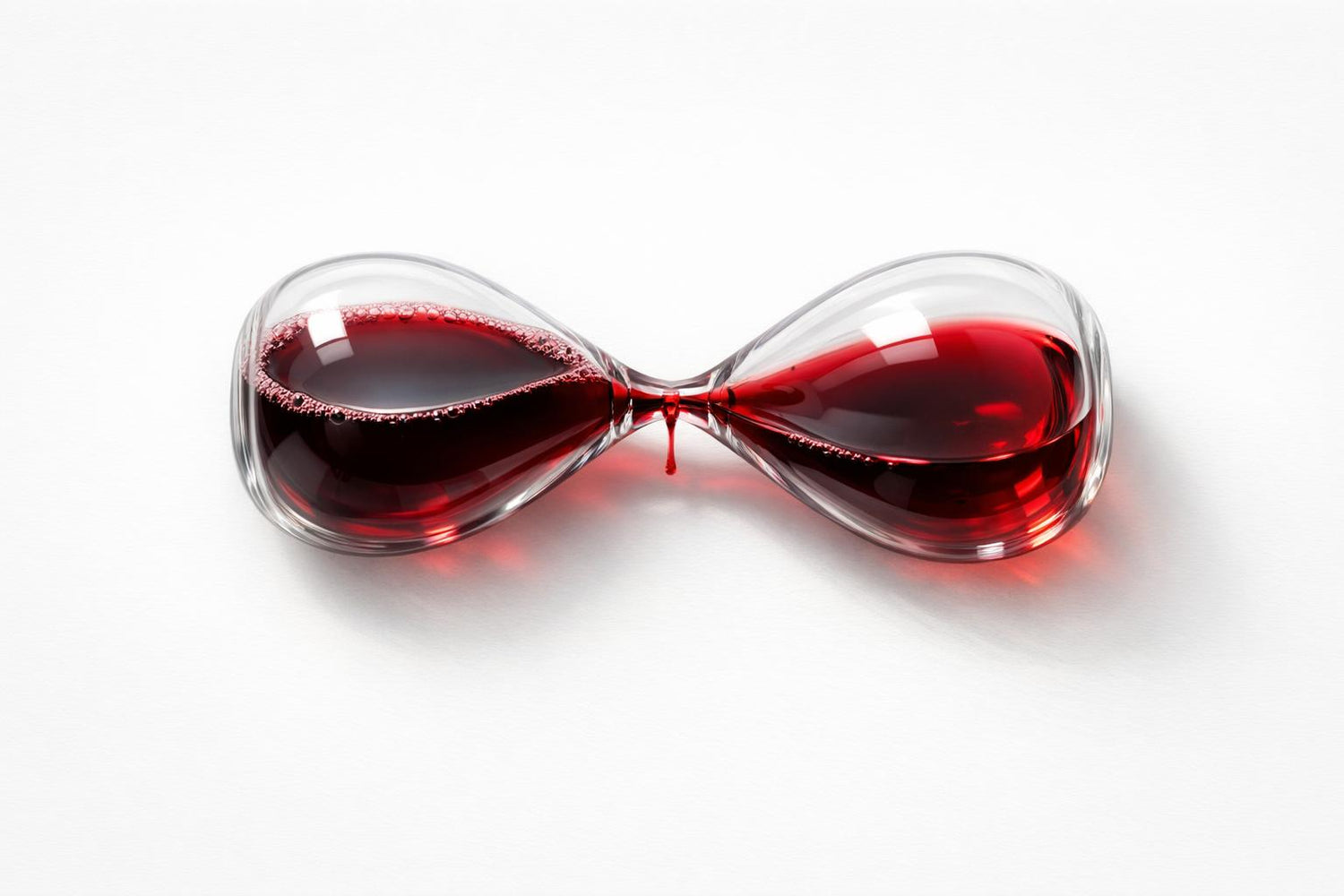
As you enter your 40s, alcohol affects your body differently. Your metabolism slows, alcohol lingers longer, and health risks increase. From brain ageing and sleep disruption to hidden calories and heart disease, even moderate drinking can have lasting impacts. Here's what you need to know:
- Alcohol stays in your system longer due to slower metabolism and muscle loss.
- Brain and bone health decline faster with regular drinking.
- Hidden calories in alcohol derail weight management.
- Heart disease risks rise with midlife drinking.
- Sleep quality suffers, leaving you fatigued.
- Sexual health and fertility decline due to hormonal changes.
- Non-alcoholic options offer the experience without the downsides.
- Cutting back improves health in weeks, from better sleep to reduced disease risks.
Making small changes, like drinking less and exploring non-alcoholic alternatives, can protect your health while keeping social connections alive. It's never too late to rethink your habits.
What Alcohol Does To Our Brain and Body After 40
sbb-itb-a752bf8
1. Your Body Processes Alcohol Slower in Your 40s
As you get older, your body’s ability to handle alcohol changes significantly. Your liver and stomach shrink with age, producing fewer enzymes needed to break down alcohol [2]. Add to that the natural loss of lean muscle - about 3–8% per decade after you hit 30 [10] - and the result is a noticeable difference in how your body reacts to alcohol. By the time you reach your 40s, the same drink can feel like two or three compared to your 20s [1]. Why? Muscle tissue holds water, and since alcohol is water-soluble, less muscle means alcohol becomes more concentrated in your bloodstream.
Dr Kenneth Koncilja, a geriatrician, explains it clearly:
"Because we lose lean muscle mass with age, a higher concentration of alcohol remains in the bloodstream. So, you feel more intense effects from the same amount of alcohol." [5]
For women, hormonal changes amplify this effect. Dr Kathleen T. Brady highlights:
"When oestrogen levels drop, metabolism slows down as well - and people may become intoxicated more quickly and feel the effects of alcohol more strongly." [9]
These shifts in your body’s physiology mean that even a seemingly standard drink can hit harder. That glass of wine you pour at home might actually be more than the standard 150 ml serving [10]. Compounding the issue, your body clears alcohol less effectively. Dr Tyler S. Oesterle from Mayo Clinic points out:
"When we don't process that toxin [alcohol], when we are not able to clear it as quickly as we once could when we were young, we're more susceptible to the damaging effects." [4]
To adapt to these changes, it’s worth taking a few precautions. Use a measuring cup or tracking app to keep tabs on your actual intake, eat a meal before drinking to slow absorption, and drink at least 240 ml of water for every 30 ml of alcohol [9]. These small adjustments can help you manage alcohol’s effects more effectively as your body changes.
2. Alcohol Speeds Up Brain and Bone Ageing
As we age, alcohol's effects on the brain and bones become more severe. Interestingly, alcohol starts harming the brain long before it impacts the liver. Dr Tony Rao, a consultant old-age psychiatrist, highlights this by saying:
"I always say to my patients 'Your brain is affected a lot earlier than your liver'." [2][7]
Here’s a startling fact: each alcoholic drink consumed over a 90-day period can age your brain by five days [11]. Heavy drinking can shrink the prefrontal cortex - a critical area for decision-making and self-control - by 10–15% [6]. For older adults, consuming more than 14 drinks a week may increase the risk of dementia progression by up to 70% [6].
Brain cell loss, which begins naturally around age 35, speeds up significantly with alcohol use, especially as metabolism slows in your 40s [3]. The body takes longer to process alcohol, leaving harmful byproducts like acetaldehyde in the system. These toxins damage neurons over time. Dr Faye Begeti, a neurologist, explains:
"While the natural loss of brain cells begins around age 35, both binge-drinking and regular moderate drinking accelerates this process." [3]
But it’s not just the brain that takes a hit. Alcohol also weakens your bones. It disrupts the balance between bone-building and bone-breaking cells, while also blocking calcium and vitamin D absorption - key nutrients for bone strength. For perimenopausal women, alcohol worsens oestrogen decline, increasing fracture risk by 20–25% and contributing to 65% of fatal falls [12][13][4].
The good news? Brain damage caused by alcohol can often be reversed with about six months of complete abstinence [2][7]. To support recovery, aim for at least three alcohol-free days each week [2][7].
3. Hidden Calories from Alcohol Derail Weight Goals
When counting calories, meals often take centre stage, while the calories in drinks are overlooked. But alcohol packs a punch, delivering 7 calories per gram - almost as much as fat, which has 9 calories per gram [14]. To put it simply, a single unit of alcohol (8g) contains 56 calories, about the same as a custard cream biscuit [16]. A standard 175ml glass of 12% wine can have up to 158 calories, and a pint of 5% lager might hit 222 calories - comparable to a slice of pizza [15].
What makes alcohol even trickier is how it affects your metabolism. Since alcohol is treated as a toxin, your body prioritises breaking it down over burning fat or absorbing nutrients. This means the food you eat while drinking is more likely to be stored as fat [14]. On top of that, this metabolic shift can disrupt how your body uses nutrients, compounding the issue.
Charlotte Hunter, a menopause nutritionist, highlights how this can be especially challenging for those in their 40s:
"Alcohol adds to this challenge, as it is both a toxin that the body must work hard to eliminate but also usually high in sugar. This dual burden can put an already strained system under pressure." [3]
Beyond its lack of nutritional value, alcohol contributes to calorie intake in a way that's easy to overlook. For frequent drinkers, it can account for nearly 10% of daily calorie consumption [14]. To put that into perspective, drinking a bottle of wine six times a month could add an extra 43,200 calories to your annual intake [16]. This becomes particularly important as your body changes with age, making it harder to manage weight and health in midlife.
Alcohol also plays havoc with hunger hormones, often making you feel hungrier and less restrained about food choices [14]. This explains why a night out drinking often ends with unhealthy snacks or takeaway meals. And depending on your drink of choice, the calorie count can quickly spiral [17].
To manage these hidden calories, a few strategies can make a big difference. Track your alcohol intake with apps or unit calculators, as home-poured drinks are often larger than you think [14]. Opt for low-calorie mixers like soda water or diet tonic instead of sugary ones. Alternating alcoholic drinks with water and avoiding drinking on an empty stomach can also help keep calorie consumption in check [15].
4. Heart Disease Risk Increases with Regular Drinking
By the time you reach your 40s, your cardiovascular system becomes more susceptible to damage. In the UK alone, cardiovascular disease accounts for over 170,000 deaths annually - around a quarter of all fatalities [18]. This heightened vulnerability ties into the physical changes that come with age, making midlife alcohol consumption increasingly risky.
Alcohol impacts the heart in several harmful ways. It raises blood pressure, weakens the heart muscle (a condition known as alcoholic cardiomyopathy) [20], and can cause irregular heart rhythms such as atrial fibrillation and Holiday Heart Syndrome [21]. Binge drinking - defined as consuming at least 15 units within a single day - can lead to erratic heartbeats, significantly increasing stroke risk [21].
Emerging genetic research has cast doubt on the idea that moderate drinking, such as one drink a day, offers heart protection. In fact, these studies indicate that even moderate alcohol consumption may elevate the risk of heart disease [21][22]. Dr Ken Mukamal from Harvard Medical School highlights this concern:
"If you have afib, there's a good chance that alcohol will make it worse" [21].
Data from recent years shows a worrying trend: between 2018 and 2020, heavy drinking (defined as 15 or more drinks per week for men and 8 or more for women) rose by 20%, with these levels remaining high through 2022 [22].
On a positive note, cutting back on alcohol can have a meaningful impact. Reducing intake by about 50% can lower systolic blood pressure by 5.5 mm Hg [22]. To protect your heart, aim to limit consumption to no more than 14 units per week, spread across at least three days. Avoid drinking more than 6 units in a single session if you're a woman, or 8 units if you're a man [19]. Since alcohol-related high blood pressure often develops without noticeable symptoms, regular blood pressure checks are a smart precaution [19].
5. Sleep Quality Drops and Energy Levels Fall
Even a small amount of alcohol can interfere with your sleep. In fact, nearly 90% of people who drink alcohol in the evening report experiencing at least one sleep-related issue [23]. Additionally, drinking alcohol is linked to a 25% higher chance of developing obstructive sleep apnoea [24], a condition that becomes more prevalent with age.
The problem lies in how alcohol affects your sleep cycle. While it might help you fall asleep faster, it disrupts REM (Rapid Eye Movement) sleep - the stage crucial for memory and emotional well-being [23][25]. Dr Nancy Foldvary-Schaefer, a Sleep Disorders Specialist, explains:
"Every 'awakening' can send you back to the light sleep stage, and cuts down on your REM sleep" [25].
This means that even if you spend a full eight hours in bed, the quality of your rest may be far from restorative.
In your 40s, your body's slower ability to process alcohol makes these sleep disturbances even worse. Natural age-related changes in sleep patterns amplify the impact. Fitness coach Daniel Clough, aged 46, shared in July 2025 that while he used to handle late nights with ease, even moderate weekend drinking now leaves him feeling drained, anxious, and "flat" for days after [27]. Similarly, Jennifer, a 38-year-old woman, reported in March 2025 that although she could drink heavily in her 20s and feel fine the next day, even a small amount of alcohol now triggers insomnia and severe fatigue [9].
To safeguard your sleep, try sticking to the three-hour rule: stop drinking at least three hours before going to bed to give your body time to begin metabolising the alcohol [23][25]. For every 30 ml of alcohol, aim to drink at least 250 ml of water to counteract dehydration [9]. Women going through perimenopause should also monitor whether specific drinks cause night sweats or early-morning awakenings [26]. Keep in mind that it takes about an hour for your body to process a single unit of alcohol [28][29], so even a seemingly harmless nightcap can still disrupt your sleep cycle.
These disruptions highlight why cutting back on alcohol in midlife is so important for maintaining overall health and energy levels.
6. Sexual Health and Fertility Decline
Alcohol's effects stretch far beyond metabolism and sleep, significantly impacting sexual health, especially in midlife.
In your 40s, alcohol can dampen sexual desire and interfere with performance. As a depressant, it dulls the central nervous system, reducing sensitivity and disrupting the physical responses needed for arousal and climax. For men, this often leads to alcohol-induced erectile difficulties caused by restricted blood flow [31][33]. Women may experience vaginal dryness due to alcohol's dehydrating effects, which can make intercourse uncomfortable [33].
Hormonal changes during midlife only worsen the situation. Testosterone levels drop within just 30 minutes of drinking [35], and even moderate alcohol consumption (more than 7 units per week) can lower sperm quality. In one study, daily whisky consumption over 30 days reduced testosterone to levels observed in chronic drinkers [35]. For women in perimenopause, alcohol can intensify hot flushes, night sweats, and anxiety, while also disrupting the hormones that regulate ovulation [3]. Dr Amit Shah, a gynaecologist and co-founder of Fertility Plus, notes:
"Alcohol can exacerbate symptoms, particularly hot flushes, night sweats and anxiety" [3].
Alcohol also reduces ovarian reserve in women and impairs sperm production in men. Among heavy drinkers, 50% experience interrupted sperm development compared to 20% of non-drinkers [35]. The silver lining? Much of this damage can be reversed - men often see sperm production return to healthy levels within three months of stopping alcohol [34][37].
To protect your sexual health, it’s recommended to limit alcohol intake to 14 units per week, spread over at least three days. If you’re trying to conceive after age 35, it’s best to avoid alcohol entirely [31][32][36][38]. Consider planning alcohol-free dates to reconnect and rediscover intimacy [33].
Moderating alcohol intake not only supports your heart and sleep but also helps maintain sexual vitality and fertility.
7. Non-Alcoholic Options Provide the Experience Without the Downsides
As you move through your 40s, maintaining your health while embracing social traditions becomes a priority. Thankfully, you don’t have to give up the enjoyment of a drink to look after yourself. Modern non-alcoholic alternatives offer refined flavours and relaxation, minus the effects of alcohol. This means you can still partake in social rituals without compromising your well-being.
Take non-alcoholic beer, for example - it’s not just a substitute; it offers real health benefits. Research shows that it helps lower oxidative stress and supports heart health by reducing oxidised LDL cholesterol and blood clot formation [40]. For women in perimenopause, consuming non-alcoholic beer daily can significantly ease hot flushes and night sweats. This is thanks to isoxanthohumol, a compound in hops that's a precursor to one of the most potent phytoestrogens [41]. Postmenopausal women, too, have seen a 6% drop in total cholesterol when it was elevated [47].
Calorically, non-alcoholic beer is a lighter choice. While regular beer contains 145–175 calories per serving, non-alcoholic versions generally range from 45 to 120 calories [46]. Plus, alcohol itself adds 7 calories per gram without any nutritional benefits [43]. Non-alcoholic beer, on the other hand, provides minerals like silicon, calcium, and phosphorus for bone health, as well as electrolytes like sodium and potassium for muscle recovery. It’s also packed with polyphenols, which may help reduce the risk of colds [42][47].
Hops, the key ingredient in beer, don’t just enhance flavour - they also have natural sedative properties. This means non-alcoholic beer can promote better sleep and reduce stress, without the sleep-disrupting effects of alcohol [42]. As researchers at Teagasc point out:
"The non‐alcoholic fraction of beer is nutritionally rich and high in polyphenols derived from the malt and the hops, which can protect cells from oxidation" [45].
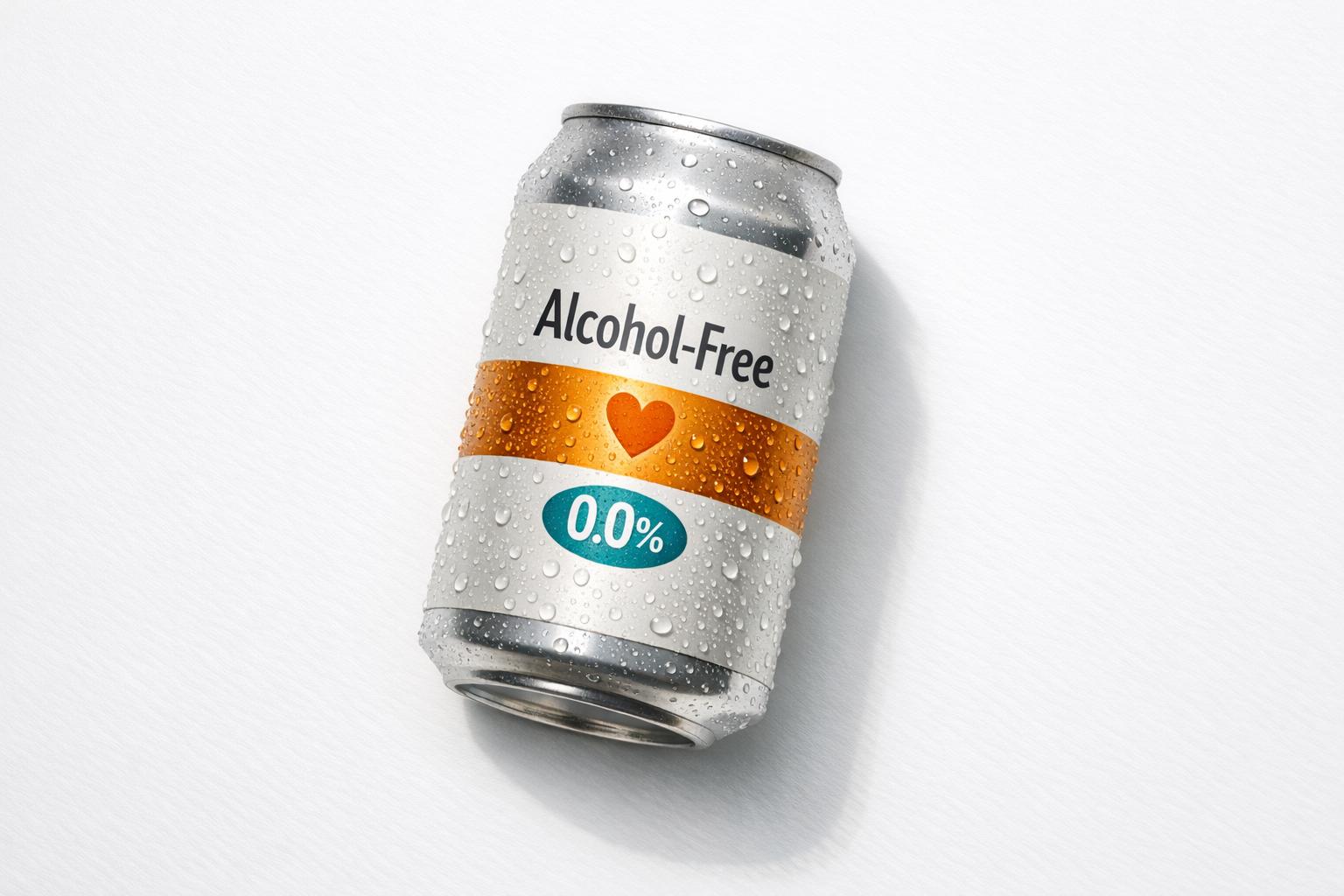
When choosing a non-alcoholic drink, go for those labelled "0.0%" to ensure they’re completely alcohol-free, as "alcohol-free" can still contain up to 0.5% ABV [43]. Also, check nutritional labels for added sugars, which are sometimes used to enhance texture and mouthfeel [44][46]. The growing interest in non-alcoholic beverages is clear - 15% to 20% of consumers now prioritise them for their health benefits, marking a shift towards more mindful drinking in midlife [43].
8. Reducing Alcohol Improves Midlife Health
Cutting back on alcohol can quickly lead to noticeable health benefits. For example, alcohol-related brain damage, which can impair judgement and mood, begins to reverse within just six months of abstinence. This highlights how adaptable the brain is when alcohol consumption decreases [2]. Beyond brain health, reducing alcohol intake also promotes liver recovery.
Your liver starts to heal within 4–8 weeks, shedding excess fat and easing inflammation [2][49]. This is especially important in midlife, as liver disease in the UK has surged by 400% since the 1970s, often affecting middle-aged individuals who drink regularly [2].
The benefits don’t stop there. Improved liver function and a reduction in toxins bring quick cardiovascular advantages. Within just three to four weeks, blood pressure can drop significantly, lowering the risk of conditions like cardiomyopathy, strokes, and heart attacks [2][48][39][49]. Better yet, cutting back on alcohol also enhances sleep quality. Regular drinkers may only experience one or two REM cycles per night, but reducing alcohol can allow for six or seven REM cycles, which are essential for memory consolidation and emotional balance [49].
A practical approach to reducing alcohol intake is adopting the "Three-Day Rule", which involves having at least three consecutive alcohol-free days each week. This gives your liver a much-needed break [2]. Additionally, following the UK Chief Medical Officers' guidelines of no more than 14 units of alcohol per week, spread across three or more days, supports overall health [30][48].
Even small reductions in alcohol consumption can make a difference. For instance, skipping six pints of average-strength lager a week can save around 1,080 calories [49]. Lowering alcohol intake also reduces the risk of several cancers, with approximately 13,000 cancer cases in the UK each year linked to alcohol consumption [2].
As Paul Wallace, Emeritus Professor of Health Care at University College London, explains:
"Alcohol affects just about every system because it's a small molecule that goes everywhere in the body" [2].
The combined benefits of improved brain function, liver recovery, and cardiovascular health make reducing alcohol a powerful step towards better midlife health. Choosing to cut back or explore non-alcoholic alternatives gives your body the chance to repair and perform at its best.
Comparison Table
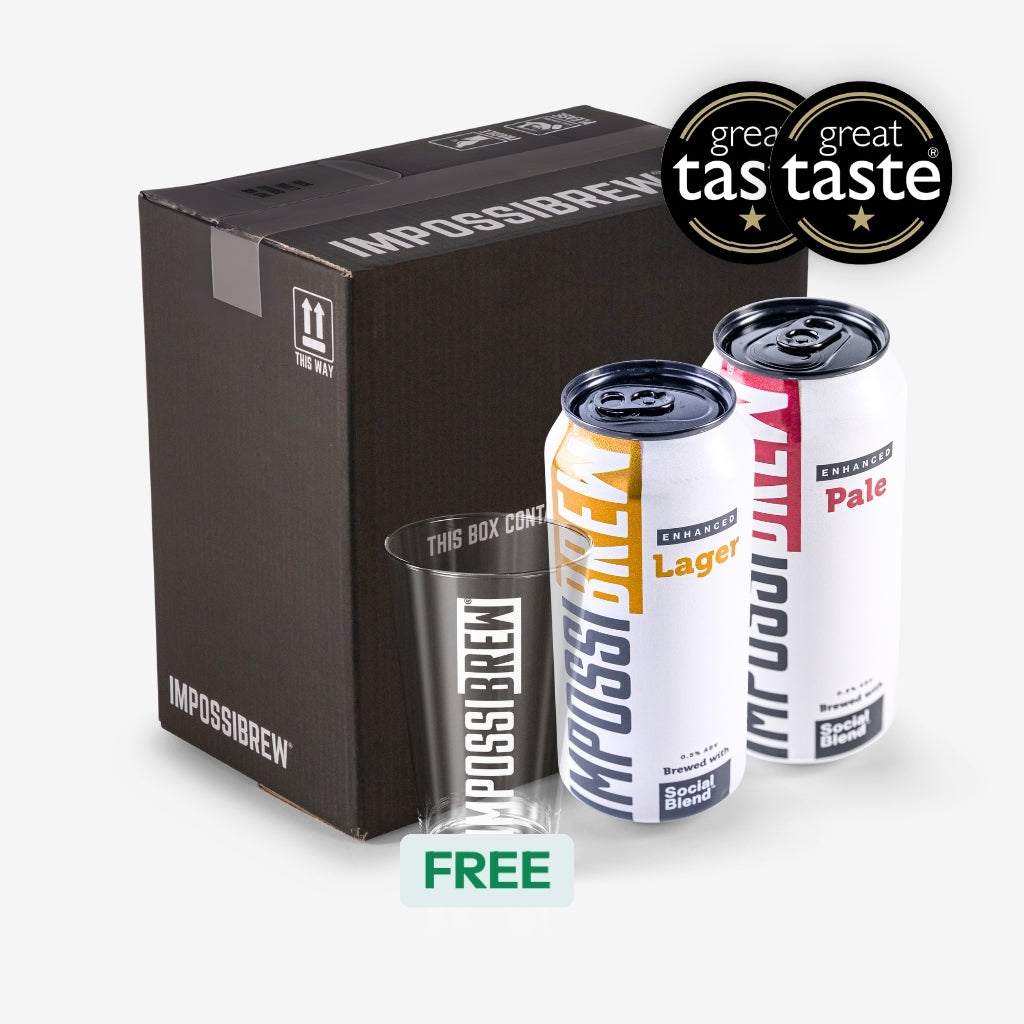
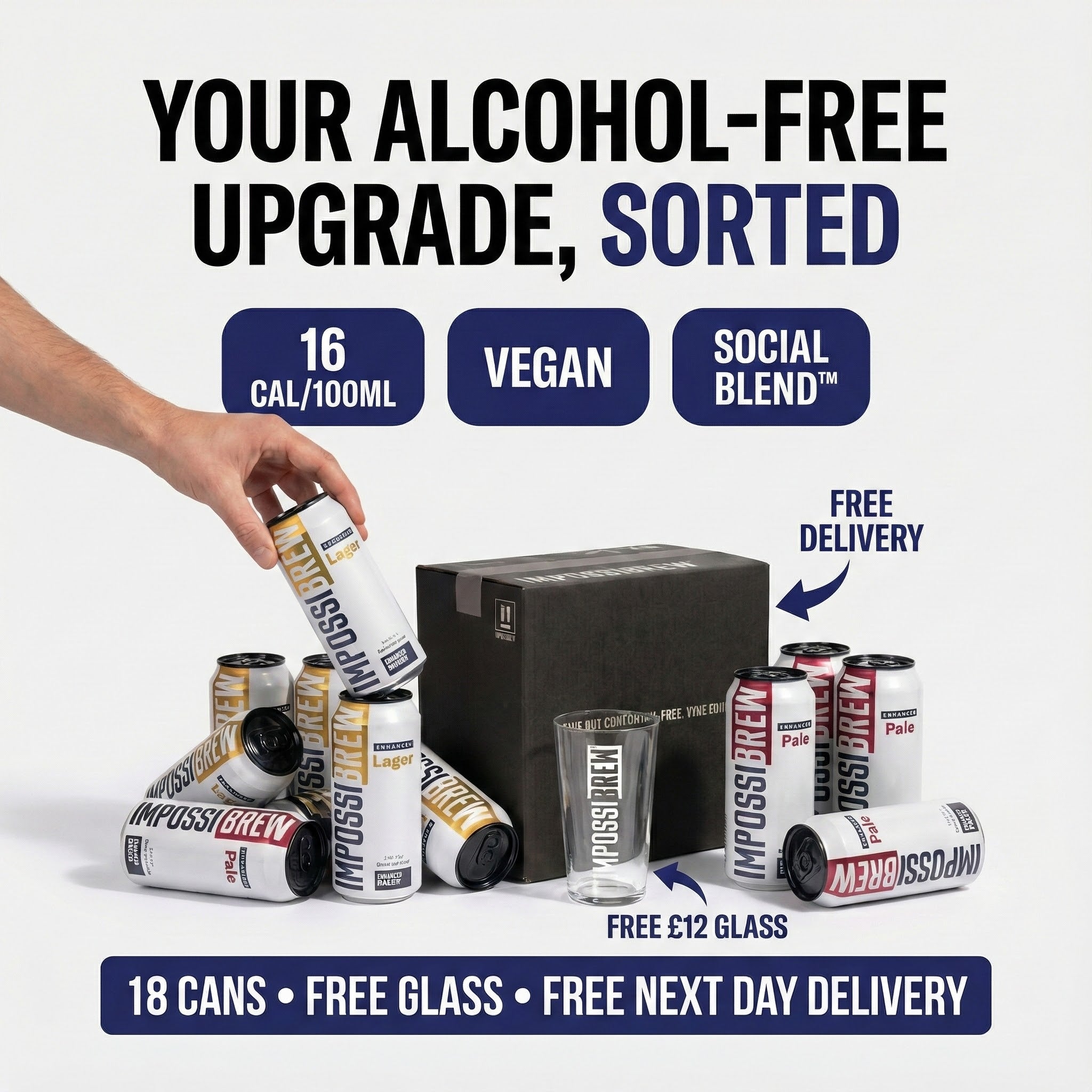
Navigating your 40s often means rethinking lifestyle choices, and understanding the differences between traditional alcoholic drinks and non-alcoholic alternatives is a great place to start. The table below breaks down key factors, showing how IMPOSSIBREW® supports health in midlife while still letting you enjoy the social aspects of drinking.
| Factor | Traditional Alcoholic Beverages | IMPOSSIBREW® Non-Alcoholic Alternatives |
|---|---|---|
| Caloric Density | High – 7 calories per gram from ethanol, nearly as high as pure fat at 9 calories per gram [43]. | Much lower – ethanol is removed, cutting out "empty" liquid calories [43]. |
| Recovery Time | 24–48+ hours; hangovers can linger for up to two days after 40 [2]. | No recovery time – no hangovers, no next-day sluggishness [50]. |
| Sleep Quality | Interrupts REM sleep and leads to fragmented rest [50]. | Helps maintain normal sleep patterns, leaving you feeling well-rested [27]. |
| Metabolic Impact | The body prioritises breaking down alcohol toxins, which can lead to storing food calories as fat [2]. | Allows nutrients to be processed normally without interference [2]. |
| Energy & Mental Clarity | Can cause brain fog, fatigue, and lower productivity [50]. | Encourages clearer thinking and steady energy levels [27]. |
| Weight Management | Linked to visceral fat accumulation and hormonal imbalances such as disrupted testosterone and cortisol levels [51][50]. | Supports better body composition and hormone balance [50]. |
| Taste Experience | Features complex flavours, often with up to 400 compounds [8]. | Offers sophisticated flavours crafted using botanicals and low-pressure extraction methods [43]. |
"Alcohol has seven calories per gram" - Dr Duane Mellor, Dietitian and British Dietetic Association spokesperson [43].
The high caloric load of alcohol, paired with a slower metabolism in your 40s, makes switching to alternatives like IMPOSSIBREW® a smart choice. You can prioritise your health while still enjoying the ritual of sharing a drink.
Conclusion
In your 40s, your body undergoes noticeable changes in how it processes alcohol. The liver becomes smaller, its enzymes less effective, and the toxic by-product acetaldehyde lingers in your system for longer periods [6][7]. What might have felt manageable in your 20s now disrupts your sleep, speeds up ageing, and raises the likelihood of heart disease, cancers, and cognitive issues. As Dr Tony Rao explains:
"Your brain is affected a lot earlier than your liver" [7].
The encouraging news? It’s never too late to make adjustments. Karen Tyrell, CEO of Drinkaware, reassures:
"It is never too late to reduce your drinking or stop altogether" [51].
Even small steps can lead to noticeable improvements. Within a week, you may enjoy better sleep. A month of reduced drinking can sharpen mental clarity, and a year can significantly lower your risk of chronic illnesses [50]. These small changes can make a big difference to your overall health in midlife.
That said, cutting back doesn’t mean giving up the joy of socialising over a drink. Products like IMPOSSIBREW® offer the same social comfort without the downsides of ethanol - no hangovers, no disrupted sleep, and no empty calories [50].
For a healthier approach, consider taking three alcohol-free days each week to give your liver a chance to recover [7][8]. Pair this with staying hydrated and enjoying alternatives like IMPOSSIBREW® to maintain balance [9]. By making thoughtful choices now, you can safeguard your health while continuing to enjoy meaningful social connections well into your 40s and beyond.
FAQs
What counts as a UK unit of alcohol?
A UK unit of alcohol is equivalent to 10ml (8g) of pure alcohol. The number of units in a drink varies depending on its size and alcohol content. To reduce health risks, it’s advised to limit alcohol consumption to no more than 14 units per week.
How can I cut back without avoiding social events?
To cut down on alcohol without missing out on social events, a bit of planning can go a long way. Look into venues beforehand to see if they offer alcohol-free options. You could also suggest alternatives like meeting for coffee or enjoying an outdoor activity, shifting the focus away from drinking altogether. Setting a time limit for your outing can help you avoid prolonged situations where you might feel pressured. Finally, think of socialising as an opportunity for deeper conversations and connections rather than just about the drinks. These small adjustments can help you maintain your social life while reducing alcohol consumption.
Which non-alcoholic drinks are actually 0.0%?
Non-alcoholic drinks that claim to be completely alcohol-free (0.0% ABV) include a variety of beers, spirits, and wines. Examples include Heineken 0.0%, Guinness 0.0%, Tanqueray 0.0% Spirit, and Magners 0.0%. These are specifically marketed as containing no alcohol. It's always a good idea to double-check the label to ensure the alcohol content is indeed 0.0%.