Quitting alcohol at 35 can transform your life in noticeable ways. From better sleep to improved health markers, the benefits appear quickly and continue to grow over time. Here's a summary of what happens when you stop drinking:
- Better Sleep and Energy: Alcohol disrupts REM sleep, leaving you groggy. Within a week of quitting, sleep improves, and by a month, mornings feel easier.
- Sharper Mental Clarity: Brain fog fades, focus improves, and memory sharpens. By six weeks, your brain starts repairing itself.
- Improved Physical Health: Blood sugar stabilises, liver health recovers, and risks of diseases like heart issues and cancer drop significantly.
- Stronger Relationships: Sobriety fosters better connections, clearer communication, and more meaningful social interactions.
- Lower Long-Term Risks: Quitting cuts the chances of chronic illnesses, including heart disease, stroke, and various cancers.
These changes start almost immediately, with noticeable improvements in just days or weeks. Whether it's better sleep, sharper thinking, or stronger relationships, the decision to quit drinking can enhance your quality of life.
Quit Drinking Alcohol Timeline Day 0 to 365 (exactly what to expect)
sbb-itb-a752bf8
What Happens When You Quit Drinking at 35?
When you stop drinking, your body begins to repair itself surprisingly quickly. Within the first 24 hours, blood sugar levels start to stabilise, and issues caused by dehydration begin to improve [7][5]. By the end of the first week, your liver starts shedding excess fat and begins healing mild damage [7]. Lauren Booker, an Alcohol Consultant, highlights these benefits:
"From more energy, improved concentration, and healthier skin to better mental health, lower blood pressure and reduced cholesterol, diabetes and cancer risks, the benefits continue to stack up the longer you are alcohol-free" [2].
This initial physical recovery sets the stage for mental improvements. Alcohol interferes with REM sleep, a crucial stage for emotional balance and creativity, often leaving drinkers feeling foggy and sluggish [1]. Once REM sleep normalises, brain fog begins to lift, and concentration improves [1][8]. Dr Joseph Volpicelli explains:
"Research shows that it takes about two to four weeks for cognitive function to improve. People find themselves better able to concentrate and remember events. People are less impulsive and better able to plan and organise tasks" [8].
In fact, after six weeks, the brain’s volume can increase by an average of 2% as it continues to repair itself [8].
The physical benefits keep pace with these mental gains. By the end of the first month, insulin resistance can drop by 25%, and blood pressure may decrease by 6% [7][5]. These changes are far from minor - a small 2mmHg rise in blood pressure above normal significantly increases the risk of death from a stroke by 10% [5][10]. Over the long term, abstaining from alcohol reduces the risk of developing seven types of cancer (including breast, liver, and colorectal), as well as heart disease and stroke [1][6].
Beyond the physical and mental improvements, your social life can also take a positive turn. Many people worry that quitting alcohol might isolate them from social events, but the reality is often the opposite. Products like IMPOSSIBREW® offer a way to stay part of the communal experience without alcohol’s downsides. These non-alcoholic beverages replicate the complexity and flavours of traditional drinks, making it easier to navigate weddings, parties, or pub outings. Having a reliable alcohol-free option helps you manage social triggers, stay clear-headed, and build more meaningful connections.
While recovery timelines differ for everyone, the body is remarkably resilient when given the chance to heal. As Alcohol Change UK puts it:
"At seven days alcohol-free, all of your body's systems are back to their usual working levels, as your body begins to adjust" [2].
1. Your Sleep and Energy Levels Improve
Timeline of Improvement
When you first stop drinking, your body may struggle to adjust. Symptoms like rebound insomnia, night sweats, and disrupted sleep are common in the first week, but they generally improve within seven days [5] [6] [8]. By the end of that week, your REM sleep cycles start to stabilise, making mornings feel less of a battle [1] [5]. Nicole Lee, Adjunct Professor at Curtin University, highlights this change:
"By the end of an alcohol‐free week, you may notice you are more energetic in the mornings as a result of getting better quality sleep" [5].
As you progress into the second and third weeks, mental clarity improves - brain fog lifts, and tasks like concentrating, remembering details, and staying organised become easier [8]. After a month, your sleep patterns are likely to settle, bringing lasting improvements in energy and focus [6] [8]. However, those who drank heavily might need up to three months for their deep sleep to fully recover [6]. These changes in sleep quality are a cornerstone for better mental and physical recovery.
Impact on Physical Health
Alcohol disrupts your body in several ways, including dehydration and frequent nighttime wake-ups [5] [9]. It also interferes with blood sugar regulation, often leaving you feeling drained the following day. Fortunately, stopping alcohol reverses these effects quickly - your hydration levels improve within just 24 hours [5] [8]. Joseph Schacht, PhD, Associate Professor in Psychiatry at the University of Colorado Anschutz Medical Campus, explains:
"With less alcohol, you will feel better rested and less cognitively slow in the morning" [9].
Impact on Mental Health
Better hydration and rest lead to sharper cognitive function. Alcohol suppresses REM sleep, which is crucial for creativity, emotional stability, and memory [1] [9]. While alcohol might help you fall asleep faster, it disrupts the quality of your sleep by reducing REM cycles and causing frequent awakenings. Joseph Volpicelli, MD, PhD, Founder and Medical Director of the Volpicelli Centre, elaborates:
"Using alcohol to sleep can reduce the time it takes to fall asleep, but during the sleep cycle the quality of sleep is poor. As the night goes on there are more awakenings and reduced amounts of REM sleep" [8].
Once your REM sleep normalises, you’ll wake up feeling genuinely refreshed rather than groggy or unfocused. These improvements in sleep and energy are essential for rebuilding a healthier, more balanced lifestyle.
2. Mental Clarity and Emotional Balance Return
Timeline of Improvement
Sobriety doesn’t just improve your sleep and energy levels - it also works wonders for your mental health. Within the first 24 hours, your brain starts to recover as hydration improves and blood sugar levels stabilise [5][10]. By the end of the first week, you may notice better focus and more energy in the mornings, though some irritability and mood swings are common as your body adjusts [6][2]. Around day 18, you’ll likely experience sharper concentration and improved memory [6]. Dr Sheridan Walter, MBChB, explains this transformation:
"Mentally, the 'fog' of early withdrawal lifts – you can concentrate better and your mood is steadier. You may feel a natural boost in energy and motivation" [6].
Between two and four weeks, the most dramatic changes occur. Your ability to recall events, plan effectively, and manage impulses improves significantly [8]. By the six-week mark, your brain begins to physically heal, with an average 2% increase in brain volume as it repairs alcohol-related damage [8]. These early milestones lay the groundwork for deeper mental and emotional recovery.
Impact on Mental Health
As your brain adjusts to life without alcohol, its natural balance of neurotransmitters begins to return. Alcohol disrupts these chemical messengers, which are essential for stabilising mood and managing stress [8][13]. Without alcohol, your brain gradually regains its equilibrium, leading to steadier emotions and a better stress response [8][1].
Over time, you’ll likely notice a reduction in anxiety [8][6]. The absence of hangover-induced anxiety, coupled with the return of restorative REM sleep, helps regulate your emotions and boosts your confidence in maintaining sobriety [13][4][10]. However, it’s worth noting that Post-Acute Withdrawal Syndrome (PAWS) may cause temporary mood swings or anxiety between weeks two and four. These fluctuations are a normal part of your brain’s healing process and don’t mean you’re not making progress [12].
3. Physical Health Markers Get Better
Timeline of Improvement
When you stop drinking, your body gets to work almost immediately. Within just 24 hours, blood sugar levels stabilise, and by the end of the first week, your liver starts shedding excess fat and repairing mild scarring [5][10]. Nicole Lee, Adjunct Professor at the National Drug Research Institute, explains just how quickly the liver can bounce back:
"The liver is important for cleaning blood, processing nutrients and producing bile that helps with digestion. But it can also regenerate quickly. If you have only mild damage in the liver, seven days may be enough to reduce liver fat and heal mild scarring and tissue damage" [5].
By the end of the first month, the changes become even more noticeable. Insulin resistance drops by 25%, and blood pressure decreases by around 6% - a critical improvement when you consider that even a minor rise of 2mmHg above the normal range (120mmHg) can increase your risk of stroke death by 10% and coronary artery disease death by 7% [6][5][10]. Digestive issues like bloating and heartburn also start to fade as gut inflammation subsides [6][5]. These early improvements in your body’s chemistry lay the groundwork for better immunity, weight management, skin clarity, and cardiovascular health.
Impact on Physical Health
The benefits of long-term sobriety extend far beyond these initial changes. After six months, your immune system is fully restored, making it better at fighting infections and repairing damaged tissues [6][14]. Many people also experience natural weight loss, as cutting out alcohol eliminates 120–150 calories per drink while reducing those late-night cravings, particularly for high-calorie foods [6][14]. Your skin becomes clearer and more hydrated within weeks, thanks to reduced inflammation and improved hydration levels [6][2][5].
Your heart health also sees dramatic improvements. Triglyceride levels drop, and the risks of heart failure and stroke decline significantly [6][14]. After a year, the likelihood of developing chronic illnesses such as heart disease, stroke, and certain cancers decreases substantially [6][5]. For heavy drinkers, sustained sobriety can lower alcohol-related cancer risks by 9% [5][10]. However, if you’ve been drinking heavily on a daily basis, it’s essential to seek medical advice before quitting, as withdrawal symptoms can be severe and may require professional supervision [6][14].
4. Relationships and Social Life Get Stronger
Social and Emotional Benefits
Quitting alcohol at 35 can breathe new life into your relationships, making them more honest and dependable. Steph, a contributor to Alcohol Change UK, shared how this shift impacted her family life:
"My children know I am far more dependable now I don't drink. I keep to my promises rather than having duvet days due to being hungover" [15].
By stepping away from alcohol, you become more present in your interactions, creating genuine memories instead of hazy, alcohol-fuelled ones. This change doesn’t just improve your personal life - it reshapes how you connect with others.
Alcohol often disrupts communication and can lead to unnecessary conflicts [4]. Fortunately, within 48 to 72 hours of quitting, the irritability and restlessness that contribute to these tensions usually start to subside [4].
As you embrace sobriety, some friendships may naturally fade, especially those built around drinking. However, the relationships that matter will adapt and grow. Donna Francis, US Beauty Editor At Large for Hello! Magazine, offers a straightforward perspective:
"When alcohol is the social glue in your friendship group, taking it away can potentially be destructive... [but] the best friendships grow with you" [16].
True friends will support your decision and celebrate your progress, rather than pressuring you to return to old habits. The money you once spent on drinks can now fund family activities or hobbies, deepening your connections [15].
Sobriety also allows you to shift from seeking support to offering it, further enriching your relationships. And with around 15% of UK adults choosing not to drink, you’re joining a community that proves meaningful connections don’t require alcohol [15].
5. Long-Term Disease Risks Drop
Timeline of Improvement
Giving up alcohol at 35 sparks a cascade of health benefits. Within just 24 hours, blood sugar levels stabilise as the liver regains its ability to regulate glucose effectively [5]. After a week, cardiovascular risks begin to drop, and liver fat starts to diminish [5][12]. By the end of the first month, blood pressure decreases, insulin resistance improves by 25%, and certain proteins linked to cancer also decline [2]. These early changes lay the groundwork for reducing long-term health risks.
For moderate drinkers, six months of sobriety can completely heal liver damage, including fatty liver disease and mild hepatitis [5][6]. At the one-year mark, the likelihood of developing heart disease, stroke, or type 2 diabetes is significantly reduced [6][12].
Impact on Physical Health
The long-term benefits of quitting alcohol go beyond the initial recovery phase. Abstinence lowers the risk of several cancers, such as breast, bowel, liver, mouth, oesophageal, head and neck, and colorectal cancers [1][6]. Even light drinkers who stop drinking can see a 4% reduction in alcohol-related cancer risk within three to seven years. For those cutting back from heavy to moderate drinking, the risk drops by 9% [5][6].
Within a month, liver fat decreases by around 20%, and levels of cancer-promoting proteins - like epidermal growth factor and vascular endothelial growth factor - drop by 73% and 41%, respectively, after four months [17]. These changes translate into noticeable improvements in quality of life. Rachel Acres, Founder of The Freedom Room, highlights this shift:
"The improvements in quality of life, energy levels, and overall wellbeing far outweigh any lingering health concerns. Many feel healthier at 50 and sober than they did at 35 while drinking." [17]
Excessive alcohol consumption can cut life expectancy by an average of 26 years [12]. By quitting alcohol at 35, you can take control before chronic conditions, often associated with midlife, take hold. Sobriety also enhances immune function and reduces the risks of pancreatitis, kidney disease, and sexual dysfunction [1][5][6].
Practical Tips for Navigating Sobriety
To make the most of the health benefits that come with sobriety, it helps to have a plan in place. Here are some practical strategies to keep your journey on track.
Set clear milestones like one week, one month, and three months without alcohol. Use tools such as a drink tracker app to monitor your progress [11]. Breaking the journey into smaller steps can make it feel more manageable and keep you motivated.
Pinpoint your triggers - whether it’s a post-work visit to the pub or the usual Friday night routine - and swap them for healthier habits. This could mean taking an evening walk, experimenting with mocktail recipes, or finding other ways to unwind [18][19]. When cravings strike, try "urge surfing": instead of acting on the craving, observe its rise and fall until it passes [19].
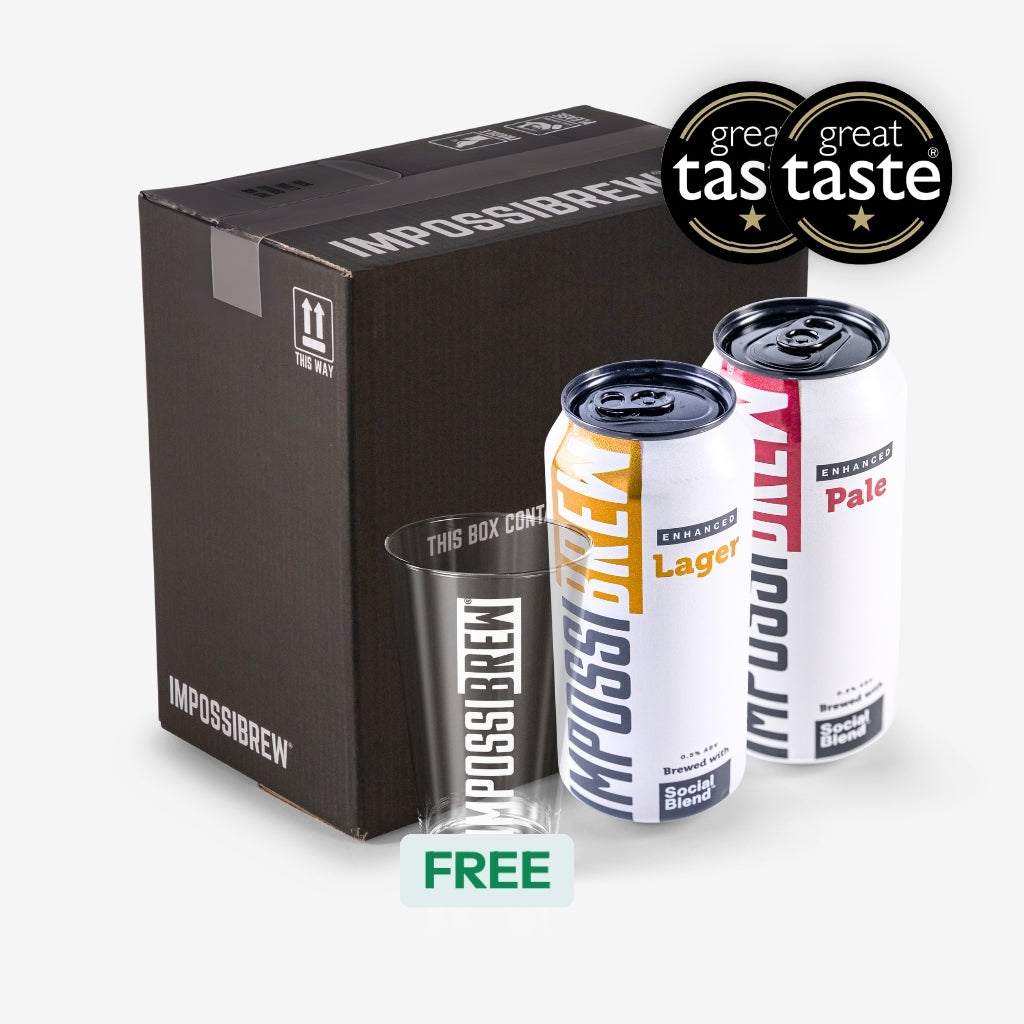
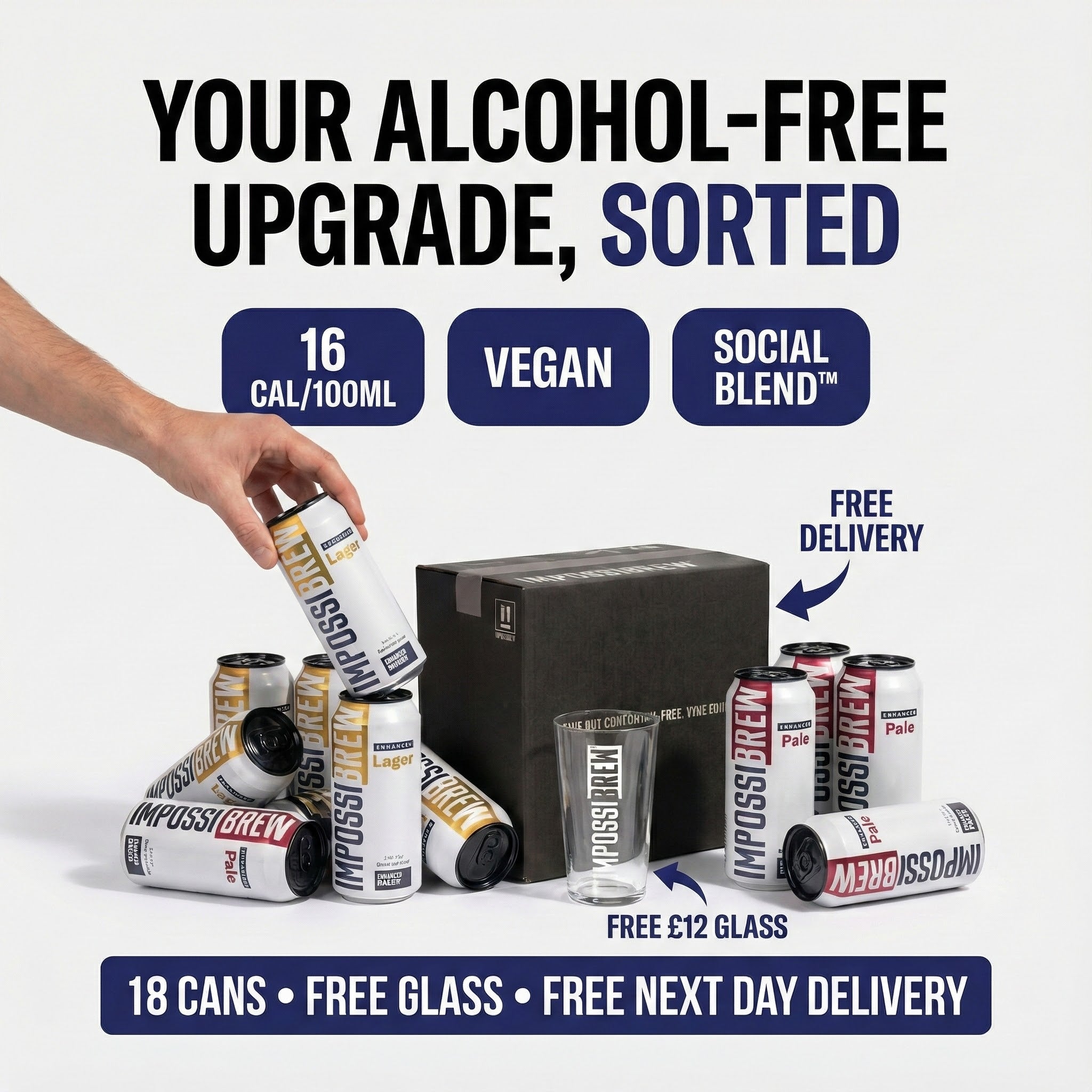
Plan ahead for social situations by bringing non-alcoholic options. IMPOSSIBREW® offers a non-alcoholic lager that mimics the taste and feel of traditional beer for just £1.97 per can. Their Enhanced Lager and Enhanced Hazy Pale include a unique Social Blend™, helping you enjoy the ritual of drinking without the negative effects of alcohol. It’s a great way to handle social pressures while staying alcohol-free.
Lean on support networks like SMART Recovery, Alcoholics Anonymous, or apps such as Daybreak for encouragement and guidance [20][11]. If you’re consuming large amounts of alcohol (20+ units daily), consult your GP before quitting. They may prescribe medications like Naltrexone to help manage cravings or refer you to specialised alcohol services [20][8]. For those with a heavy dependency, a medically supervised detox is crucial, as stopping abruptly can pose serious risks [19].
Prepare for your first week by taking time off work if necessary, staying hydrated with at least 3 litres of fluids daily, and eating regular meals to keep your energy stable [19]. Keep track of the positive changes - like improved sleep after a week or clearer skin after a month - to remind yourself why this journey matters. These steps not only support your health but also help create a lifestyle that feels rewarding and sustainable.
Conclusion
Quitting alcohol at 35 can bring about five noticeable changes: improved sleep and energy, sharper mental clarity, better physical health indicators, stronger relationships, and a reduced risk of long-term illnesses. These aren't far-off goals - they're tangible results that start to unfold almost immediately. For instance, your body begins detoxing within hours, sleep improves by the end of the first week, and mental sharpness often returns within two to four weeks. Remarkably, brain volume can increase by around 2% after just six weeks of sobriety, and insulin resistance may decrease by 25% within a month [2][8][5]. These early benefits pave the way for a healthier and more fulfilling future.
As Nikki Osman, Editor at Women's Health, wisely states:
"The best time to start any new health habit, is now" [3].
No matter your age, the body has an incredible ability to heal and adapt, meaning you'll start noticing positive changes quickly. With these initial improvements in motion, the path ahead holds even greater promise.
While the process might feel challenging at times, the rewards - like waking up energised and feeling emotionally grounded - are worth it. By reading this article, you've already taken the first step. Now it's about setting clear goals, recognising your triggers, and finding the right support system. It's also worth remembering that about 15% of adults in the UK choose not to drink alcohol at all [1].
The decision to stop drinking can profoundly improve your health, relationships, and overall quality of life. These changes aren't just numbers or abstract ideas - they represent real, meaningful transformations that can shape your everyday life and future wellbeing.
FAQs
Is it safe to quit alcohol suddenly at 35?
Giving up alcohol at 35 is typically safe for most individuals. However, if your drinking habits are heavy or you’re dependent on alcohol, it’s crucial to consult a medical professional beforehand. Withdrawal symptoms - like tremors, anxiety, or even seizures - can arise and may need medical attention. Seeking advice from a healthcare provider helps make the process safer and more manageable.
How do I handle cravings and social pressure without drinking?
Planning ahead can make a big difference in handling cravings and social pressure. It's important to remember that the urge to drink doesn't last forever. Start by identifying your triggers - whether it's certain people, places, or situations - and take steps to avoid them.
Prepare a polite but confident way to say no to alcohol. Having this ready can help you feel more at ease in social settings. Instead, channel your energy into healthier alternatives, like picking up a hobby, exercising, or spending time on activities that bring you joy.
If a craving hits, try distracting yourself with something engaging or calming, like reading, going for a walk, or practising mindfulness. Remind yourself why you chose to quit in the first place. Keeping your reasons at the forefront can help you feel empowered and stay in control.
Do I need to stop completely, or is cutting down enough?
Whether you decide to quit drinking completely or simply reduce your intake depends on your personal goals and situation. If there's a chance you might be dependent on alcohol, it's important to consult a healthcare professional first - withdrawal symptoms can be serious. Reducing your alcohol consumption can lead to noticeable improvements in areas like sleep, skin health, and mood relatively quickly. On the other hand, giving up alcohol entirely can provide longer-term benefits, such as allowing your liver to recover and lowering the risk of various illnesses. For guidance tailored to your needs, seeking professional advice is always a good idea.